We're loading the full news article for you. This includes the article content, images, author information, and related articles.
The Treasury proposes caps on CEO tenure and board changes at Kenya Re, sparking a debate on state control vs. shareholder rights in the profitable reinsurer.
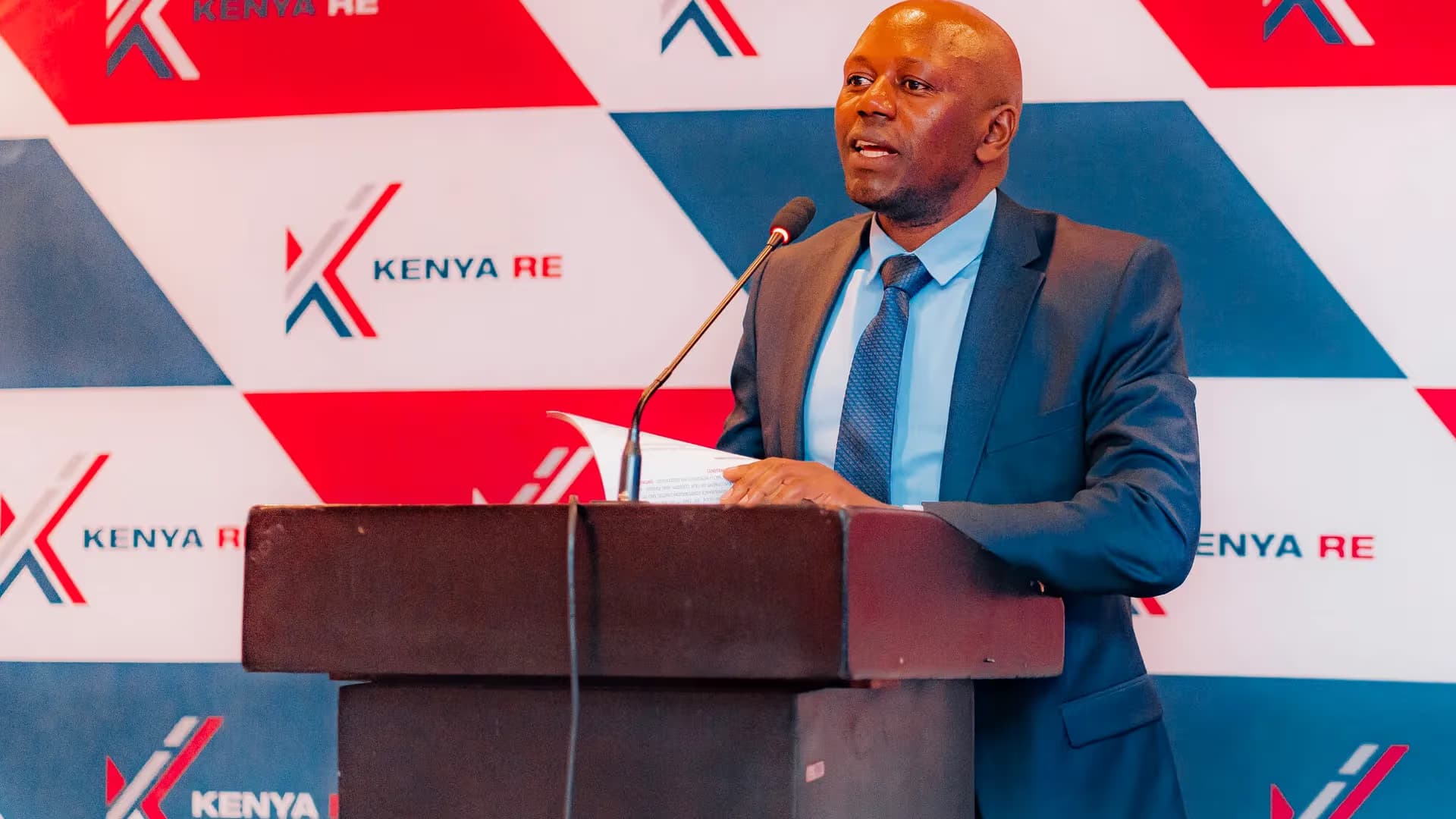
Nairobi — The National Treasury has unveiled a set of governance reforms for Kenya Reinsurance Corporation (Kenya Re) that would reshape how the reinsurer is run, tighten state influence on its board, and redefine executive leadership tenure — raising concern among private investors about the implications for shareholder rights and market confidence.
Proposed Governance Reforms
The reforms centre on creating a dual class share structure that would formalise and consolidate government control over Kenya Re’s board — a move that would empower the state to elect a majority of board members despite the company being listed on the Nairobi Securities Exchange (NSE) and partly owned by private investors. Under the plan:
Class A shares would be held by public and institutional investors.
Class B shares would be reserved for the National Treasury, carrying greater governance rights though equal economic rights to dividends.
The board would be reduced in size to nine directors, with five elected by the Treasury and three by Class A shareholders, plus one additional appointed member.
In addition, the reforms set fixed terms for directors and the CEO — with a three-year term renewable once — as part of efforts argued by the state to enhance accountability and prevent long-standing management entrenchment. The board would also assume full authority to appoint and remove the CEO.
Government Rationale and Strategic Alignment
The Treasury contends that the governance overhaul will align Kenya Re’s structure with its majority ownership stakeand enhance regulatory compliance and strategic coherence. Supporters argue that clear term limits can curb management stagnation and professionalise oversight.
Kenya Re, established by an Act of Parliament in 1970 and listed on the NSE in 2007, is one of the most profitable reinsurers in the region, offering risk-sharing solutions across Africa, the Middle East and Asia. The government remains the largest shareholder, with roughly 60% ownership, while the remainder is held by public and institutional investors.
Minority Shareholder Concerns
Critics among minority shareholders caution that the proposed structure effectively sidelines their influence over governance and strategic decisions. Despite assurances that economic rights such as dividends remain unaffected, the shift in voting power at the board level has stoked fears of “state capture” — where majority control by the state could override private investor interests in key decisions affecting long-term performance and corporate direction.
Investor groups have also warned that frequent leadership changes resulting from strict term limits may disrupt continuity in a specialised financial services environment where long institutional memory and stable oversight are often regarded as strengths.
Boardroom Dynamics and Precedents
The backdrop to the governance debate includes prior boardroom turbulence at Kenya Re, including the temporary suspension and reinstatement of the managing director in 2025, which previously rattled investor confidence and impacted the firm’s stock performance.
Looking Ahead to the AGM
The proposals will be tabled at a Special General Meeting scheduled for February 11, 2026, where shareholders will vote on the amendments to the Articles of Association that underpin the dual-share structure and board governance changes.
As Kenya Re navigates this potential structural shift, the outcome of the vote and ensuing market response will be closely watched by investors, regulators, and the broader East African financial services community.
Keep the conversation in one place—threads here stay linked to the story and in the forums.
Sign in to start a discussion
Start a conversation about this story and keep it linked here.
Other hot threads
E-sports and Gaming Community in Kenya
Active 9 months ago
The Role of Technology in Modern Agriculture (AgriTech)
Active 9 months ago
Popular Recreational Activities Across Counties
Active 9 months ago
Investing in Youth Sports Development Programs
Active 9 months ago



