We're loading the full news article for you. This includes the article content, images, author information, and related articles.
**The government has suspended scores of health facilities and flagged KES 10.6 billion in fraudulent claims, exposing a deep-rooted rot threatening Kenya's universal healthcare ambitions and draining taxpayer funds.**

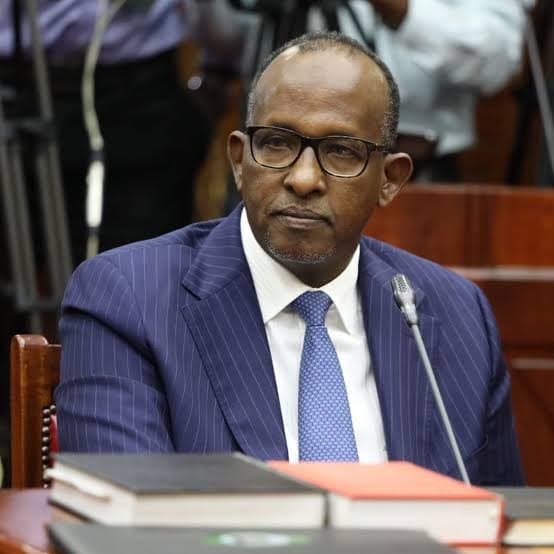
The Kenyan government has suspended 85 hospitals and clinics in a sweeping crackdown on a sophisticated fraud network that has siphoned billions of shillings from the new Social Health Authority (SHA). Health Cabinet Secretary Aden Duale confirmed that forensic audits have uncovered widespread malpractice, including billing for non-existent patients and inflating service costs, forcing the state to reject claims worth a staggering KES 10.6 billion (approx. $81.5 million).
This crisis strikes at the heart of Kenya's push for universal health coverage, revealing that the ghosts of the scandal-ridden National Health Insurance Fund (NHIF) still haunt its successor. The fraudulent schemes are not just numbers; they represent a direct threat to the well-being of ordinary Kenyans. By draining public funds, these activities lead to underfunded legitimate facilities, a lack of essential medicines, and ultimately, a healthcare system where citizens are forced to pay out-of-pocket for services that should be covered.
Investigators have unearthed a cocktail of deceptive practices used by the implicated facilities. These include "upcoding," where hospitals bill for more expensive procedures than were performed, converting simple outpatient visits into costly inpatient admissions, and creating "phantom" billings for patients who never set foot in the hospital. In one brazen example, a facility attempted to claim multiple caesarean sections for the same patient within days. Another hospital, licensed in February 2025, had already received KES 12.2 million from the fund by June for services it claimed to have provided.
The crackdown, powered by a new AI-driven digital system, has led to the suspension of facilities across numerous counties, including Mandera, Nairobi, Homa Bay, and Kisii, indicating a coordinated, nationwide problem. "Consider this a final warning," CS Duale stated emphatically. "Any facility, doctor, or patient found to be involved in fraudulent activities will be held liable and face the full force of the law."
For the average Kenyan, this systemic theft translates into a tangible crisis. The Association of Kenya Insurers (AKI) estimates that medical insurance fraud costs the country up to KES 33 billion annually, representing about 24% of the nation's health budget. This financial hemorrhaging inflates insurance premiums, making healthcare more expensive for everyone and undermining the sustainability of the entire system. Patients arrive at hospitals only to be told their data is unavailable or their premiums cannot be seen, forcing them to pay in cash for life-saving treatments like dialysis.
The crisis has also sparked a blame game. The Kenya Association of Private Hospitals (KAPH) has urged for a balanced approach, arguing that some facilities were suspended without a fair hearing and that deep-rooted corruption within the public insurer creates avenues for collusion. Meanwhile, associations representing rural and private hospitals have raised alarms over billions in unpaid claims from both the old NHIF and the new SHA, warning that many facilities risk closure, particularly in remote areas where they are the only lifeline.
The Ministry of Health insists its new digital infrastructure is key to winning this war, enabling the detection of anomalies and flagging suspicious claims in real-time. In a bid to restore public confidence, the ministry has launched a joint anti-fraud initiative with private insurers and encourages citizens to report suspected fraud via a toll-free number. However, with the scandal emerging just a year after SHA's launch, analysts are divided on whether the new system can truly seal the loopholes that plagued its predecessor or if corruption has simply adapted.
As detectives continue to trace the flow of illicit funds, the ultimate test for the government will be to ensure transparent investigations and swift prosecutions. The future of universal healthcare in Kenya hinges not just on policy, but on the trust of a public that is tired of seeing its contributions vanish into thin air.
Keep the conversation in one place—threads here stay linked to the story and in the forums.
Sign in to start a discussion
Start a conversation about this story and keep it linked here.
Other hot threads
E-sports and Gaming Community in Kenya
Active 10 months ago
The Role of Technology in Modern Agriculture (AgriTech)
Active 10 months ago
Popular Recreational Activities Across Counties
Active 10 months ago
Investing in Youth Sports Development Programs
Active 10 months ago
Key figures and persons of interest featured in this article