We're loading the full news article for you. This includes the article content, images, author information, and related articles.
**Principal Secretary Beatrice Inyangala has reaffirmed the government's commitment to a new, sustainable funding model, even as university leaders warn of a deepening financial crisis that threatens the sector's stability.**
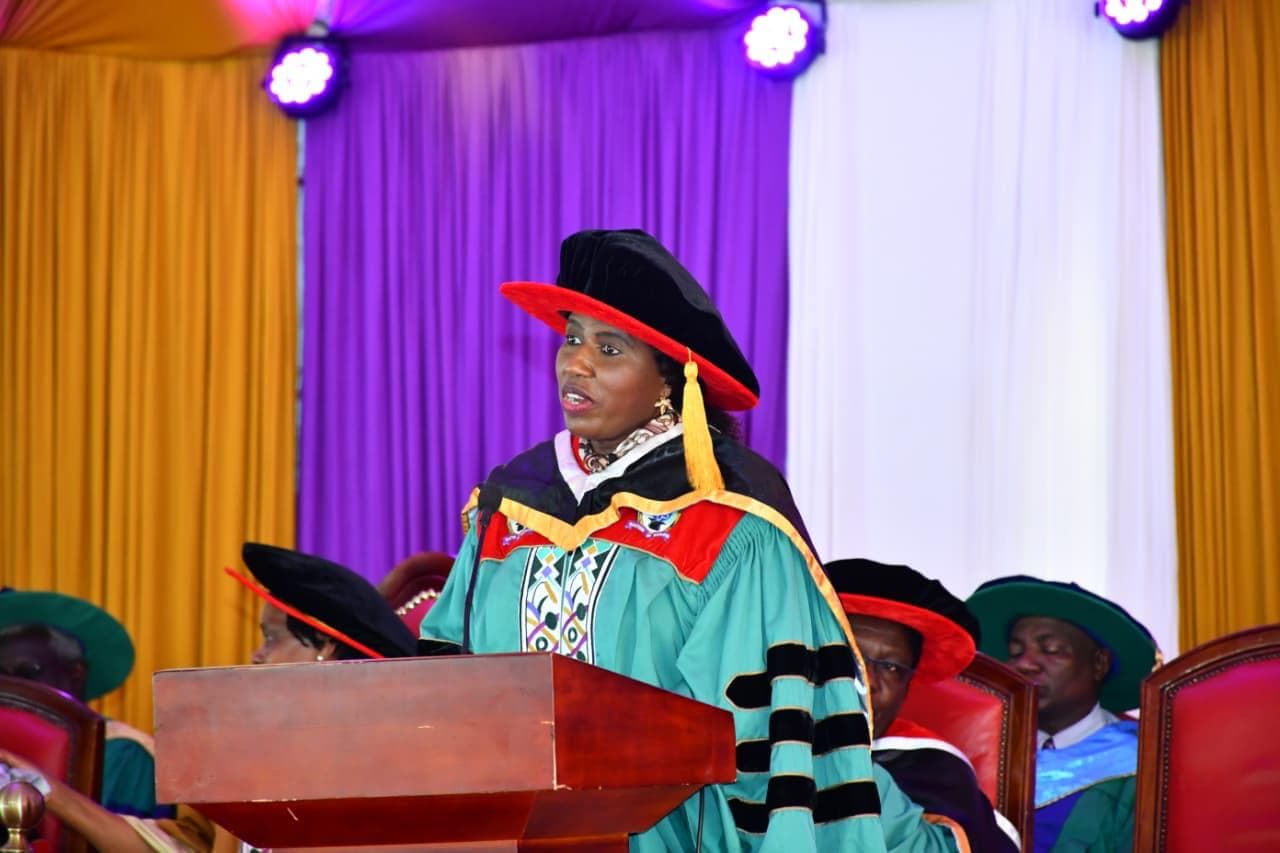
The government has pledged a major overhaul of university financing, promising a sustainable future for institutions currently crippled by debt and delayed funding. The move aims to ensure no student is denied higher education due to their financial background.
This commitment, detailed in a new student-centered funding model, comes as public universities face a severe cash crunch, raising urgent questions for thousands of Kenyan families about the accessibility and quality of higher education. The crisis is underscored by university debts exceeding KES 85 billion, leaving many institutions struggling to cover basic operational costs.
Speaking at the 13th graduation ceremony at Jaramogi Oginga Odinga University of Science and Technology (JOOUST) in Bondo, Higher Education Principal Secretary Beatrice Inyangala stated the new framework is designed to guarantee access for all deserving students. She emphasized that her ministry is working to “streamline processes, enhance efficiency, and strengthen accountability.”
However, the grim reality on the ground was voiced by JOOUST's own University Council Vice Chairperson, Ambei Ligabo. He expressed grave concern over reduced government capitation, chronically delayed funding, and soaring operational costs that have severely strained public universities.
The financial distress plaguing Kenya's public universities is not a recent development. A report before the National Assembly's Education Committee highlighted the staggering debt, which has jeopardized everything from staff salaries to the rollout of critical educational reforms. Analysts point to several root causes:
The government's answer is the Student-Centred Funding Model (SCFM), officially unveiled in May 2023. This new system replaces block funding to institutions and instead channels financial support—a mix of scholarships and loans—directly to students based on their assessed level of need. PS Inyangala has defended the model, stating the government will cover up to 80% of program costs for the neediest students, with families covering the rest with support from HELB.
In her address, the Principal Secretary also made a strong appeal to the private sector. She called on corporate organizations and philanthropists to forge strategic partnerships with universities through scholarships, internships, and research collaborations to help build a “pipeline of skilled, ethical, and future-ready graduates.”
With the new framework now in its implementation phase, the eyes of students, parents, and academics remain fixed on the ministry. They are waiting to see if these promises will translate into the tangible, urgent relief that Kenya's struggling citadels of learning so desperately need.
Keep the conversation in one place—threads here stay linked to the story and in the forums.
Sign in to start a discussion
Start a conversation about this story and keep it linked here.
Other hot threads
E-sports and Gaming Community in Kenya
Active 9 months ago
The Role of Technology in Modern Agriculture (AgriTech)
Active 9 months ago
Popular Recreational Activities Across Counties
Active 9 months ago
Investing in Youth Sports Development Programs
Active 9 months ago



