We're loading the full news article for you. This includes the article content, images, author information, and related articles.
The national government has committed to fully funding the establishment of County Aggregation and Industrial Parks (CAIPs) in an ambitious push to boost manufacturing, create jobs, and curb post-harvest losses for farmers across Kenya.
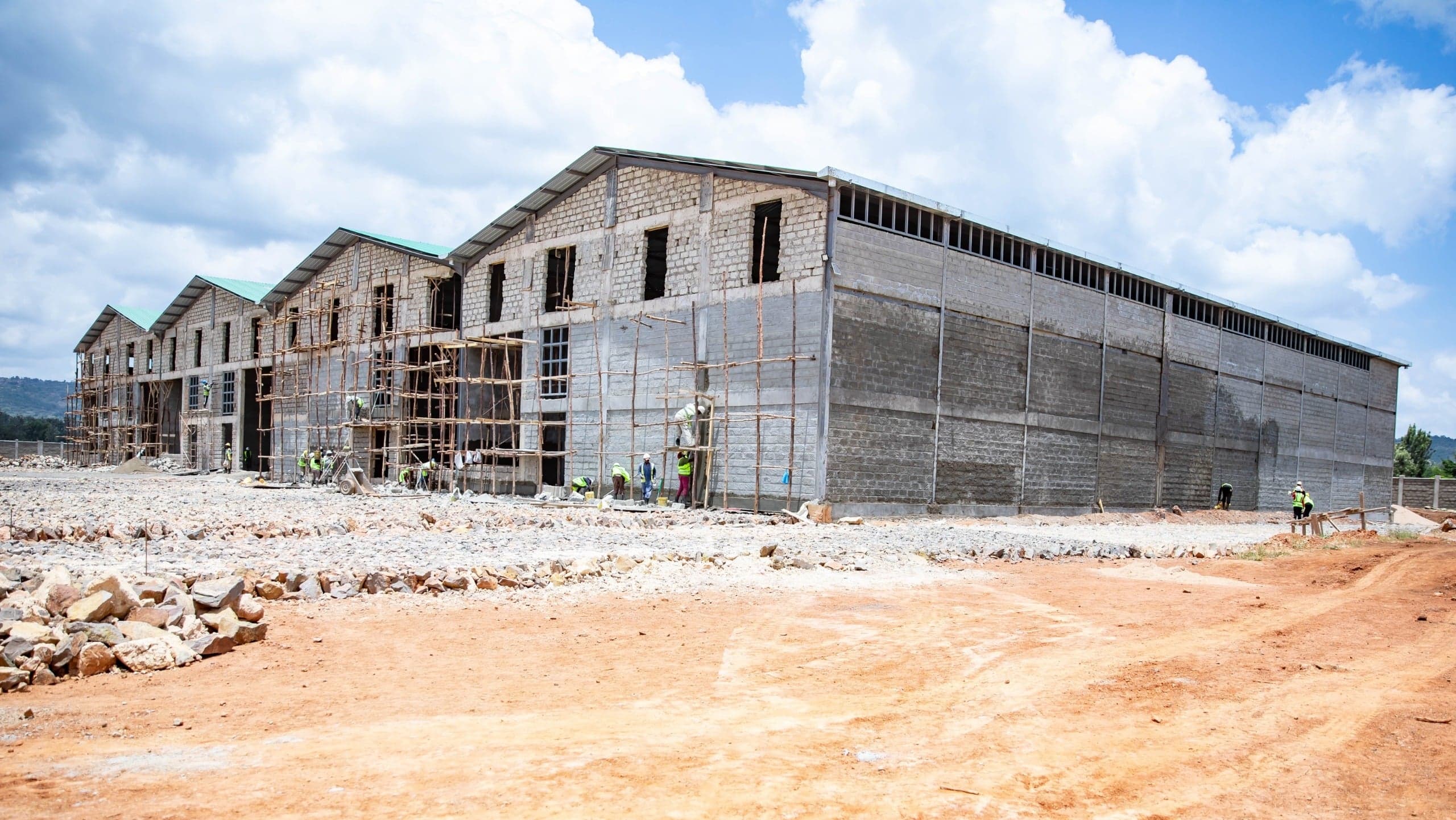
The national government is set to fully fund the construction of County Aggregation and Industrial Parks (CAIPs) in 24 counties by June 2026, injecting KES 4.45 billion in the current fiscal year to accelerate the ambitious programme. This move aims to jumpstart value addition at the grassroots, directly impacting farmers' earnings and creating much-needed employment.
This initiative is the government's direct answer to the urgent need for economic growth from the ground up. By establishing hubs for value addition and manufacturing in every county, the state aims to reduce post-harvest losses, increase farmers' incomes, and create a robust pipeline for both domestic and international markets. The programme is a cornerstone of the Bottom-Up Economic Transformation Agenda, targeting a significant increase in the manufacturing sector's contribution to the GDP.
The CAIPs programme, initiated in 2023, envisions a partnership where the national and county governments equally contribute to the estimated KES 500 million cost for each park. However, progress has been uneven. While 10 counties, including Meru and Kirinyaga, received their full funding tranche by June 2025, none of the projects are complete. A recent report by the Parliamentary Budget Office highlighted that some projects have stalled, with 13 counties yet to even begin construction.
Several counties show promising progress, with completion rates varying significantly:
Conversely, 16 other counties lag behind with implementation levels at 30% or lower, raising concerns about project management and fund disbursement. Governors have previously pointed fingers at the national government for delays in releasing funds, which has led to contractors abandoning sites.
The core promise of these industrial parks is economic transformation that resonates in the pockets of ordinary Kenyans. By creating localized centers for processing agricultural produce, the government intends to slash post-harvest losses and give farmers better leverage for predictable and higher earnings. This strategy is designed to diversify Kenya's economy, reducing its heavy reliance on traditional sectors like agriculture and tourism.
Trade and Industrialisation Cabinet Secretary Rebecca Miano has emphasized that the establishment of these hubs will stimulate priority value chains across the country. The long-term vision is to grow the manufacturing sector's contribution to GDP from 7.6 percent to 20 percent by 2030, a move analysts believe is crucial for sustainable economic development. The project is also expected to attract significant foreign direct investment and foster technology transfer.
As the government renews its funding commitment, all eyes are on the county leadership and contractors to translate these billions into tangible opportunities. The success of the CAIPs hinges on swift implementation and transparent management, ensuring these parks become bustling economic engines rather than silent monuments of stalled ambition.
Keep the conversation in one place—threads here stay linked to the story and in the forums.
Sign in to start a discussion
Start a conversation about this story and keep it linked here.
Other hot threads
E-sports and Gaming Community in Kenya
Active 9 months ago
The Role of Technology in Modern Agriculture (AgriTech)
Active 9 months ago
Popular Recreational Activities Across Counties
Active 9 months ago
Investing in Youth Sports Development Programs
Active 9 months ago
Key figures and persons of interest featured in this article