We're loading the full news article for you. This includes the article content, images, author information, and related articles.
**Private investors are set to take control of Sony, Nzoia, Chemelil, and Muhoroni in a high-stakes bid to revive the crippled sector, with the government assuring that all assets will revert to public ownership after three decades.**
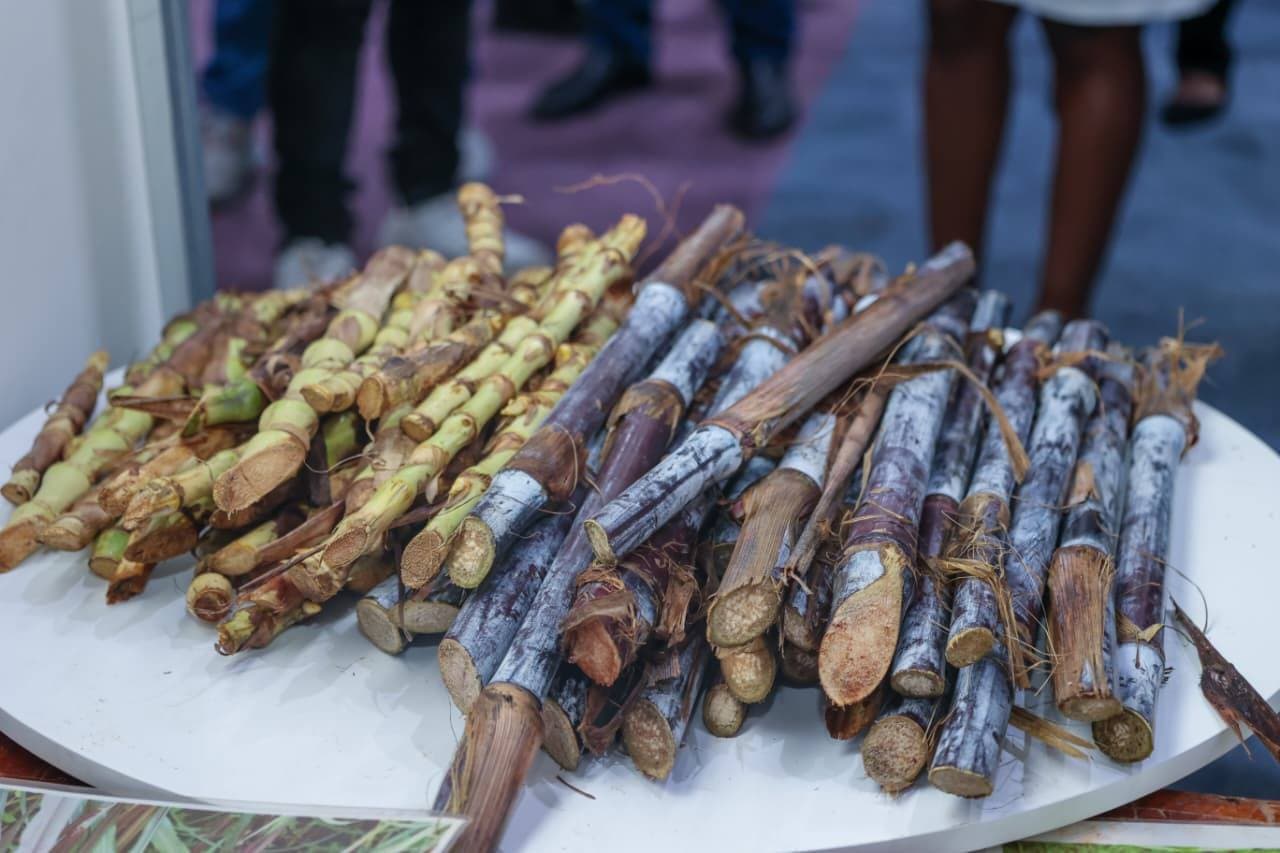
Four of Kenya's long-suffering state-owned sugar mills have been handed to private investors on 30-year leases in a landmark government deal designed to save the collapsing sector.
The move, finalized in May, aims to inject billions in private capital to revive an industry choked by debt, outdated machinery, and mismanagement, directly impacting thousands of farmers awaiting long-delayed payments and a stable market.
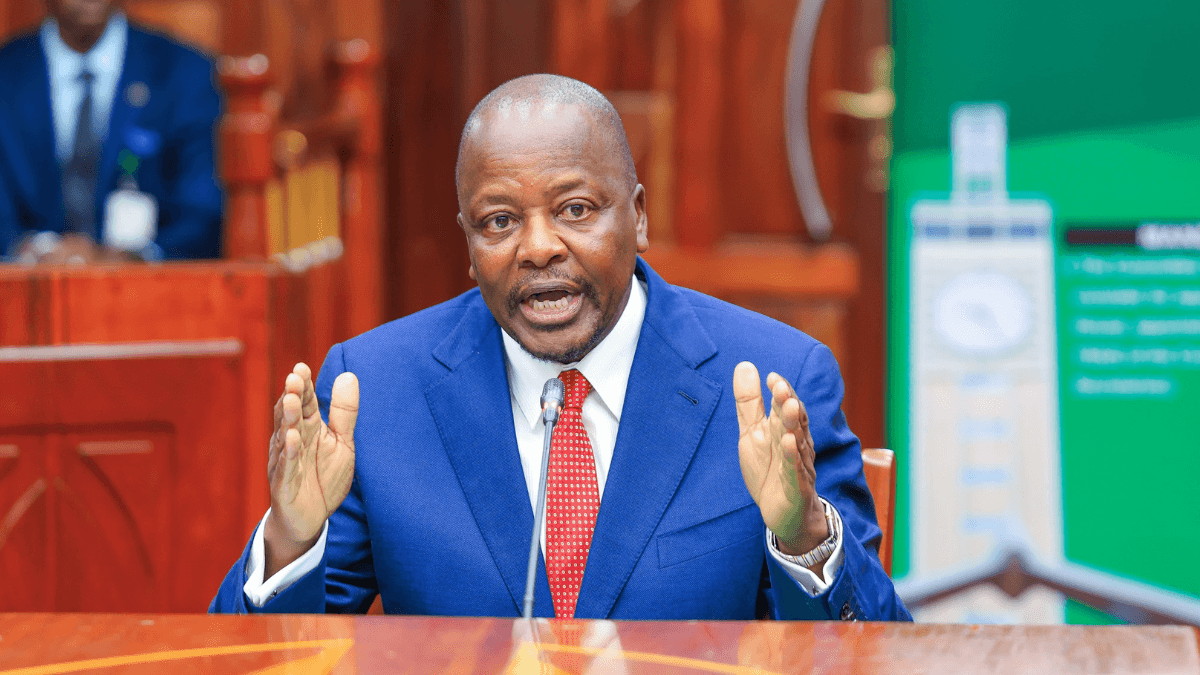
In a detailed address to Parliament, Agriculture Cabinet Secretary Mutahi Kagwe emphasized that the agreements are "performance-driven concessions" and not a sale of public assets. "These leases are not handovers. They are designed to revive factories, grow cane, protect farmers and modernise production," Kagwe told MPs.
Under the new arrangement, the operations of the four mills have been transferred to the following companies:
The leasing model was adopted after a previous plan for full privatization, approved in 2015, was rejected following extensive public consultation. For years, these state-owned mills have consistently underperformed compared to their private counterparts, forcing the government into repeated bailouts and debt write-offs amounting to billions of shillings.
The new terms require investors to pay annual lease rents of KSh 40,000 per hectare for Chemelil, Muhoroni, and Sony, and KSh 45,000 per hectare for Nzoia. They will also pay concession fees of KSh 4,000 per tonne of sugar and KSh 3,000 per tonne of molasses. Kagwe assured Parliament that all investments made by the operators will revert to the state at the end of the 30-year period.
The announcement has been met with mixed reactions. Farmers' unions have expressed cautious optimism, pinning their hopes on the private millers to ensure prompt payment for cane deliveries—a major challenge under state management. The government has pledged to settle outstanding arrears, including an estimated KSh 5.6 billion owed to workers and KSh 500 million to farmers.
However, some political leaders from the sugar-growing regions have criticized the move, citing a lack of transparency and public participation. In response, the Kenya Sugar Board (KSB) has issued a stern warning to the new investors, stating that leases will be revoked if they fail to modernize the mills and support cane development as agreed.
With the mills now under new stewardship, the critical test will be whether this long-term leasing strategy can finally bring stability and profitability to Kenya's vital sugar belt.
Keep the conversation in one place—threads here stay linked to the story and in the forums.
Sign in to start a discussion
Start a conversation about this story and keep it linked here.
Other hot threads
E-sports and Gaming Community in Kenya
Active 9 months ago
The Role of Technology in Modern Agriculture (AgriTech)
Active 9 months ago
Popular Recreational Activities Across Counties
Active 9 months ago
Investing in Youth Sports Development Programs
Active 9 months ago
Key figures and persons of interest featured in this article