We're loading the full news article for you. This includes the article content, images, author information, and related articles.
The Kenyan government has set an audacious target of Sh1.5 trillion in foreign direct investment through Special Economic Zones (SEZs), banking on a strategic partnership with the International Finance Corporation (IFC) to turn the country into Africa’s industrial hub.
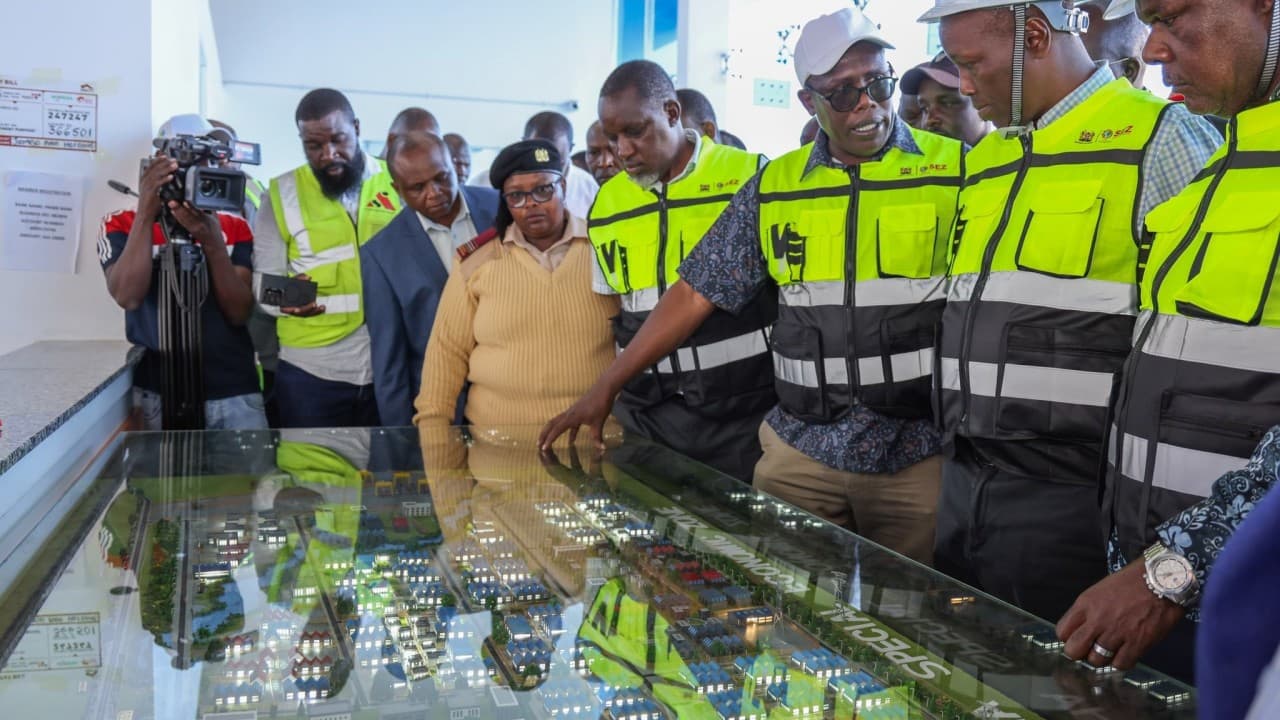
The Kenyan government has set an audacious target of Sh1.5 trillion in foreign direct investment through Special Economic Zones (SEZs), banking on a strategic partnership with the International Finance Corporation (IFC) to turn the country into Africa’s industrial hub.
This is not just a policy announcement; it is a desperate bid to recalibrate the nation’s economic engine. Investment Promotion Principal Secretary Abubakar Hassan Abubakar revealed that the state is aggressively reforming the legal framework, specifically through the Business Laws Amendment Bill 2026. The goal is clear: strip away the bureaucratic red tape that has historically strangled potential, and roll out the red carpet for global capital.
The backing of the IFC—the private sector arm of the World Bank—is the ace in the government's hole. By signing an agreement for technical assistance, the state is admitting that it needs external expertise to sharpen its competitive edge. The focus is shifting towards "Green SEZs," a move designed to attract the growing pool of climate-conscious capital. "We want to attract more private capital and create more jobs for the youth," PS Abubakar stated, explicitly linking the investment drive to the country’s ticking demographic time bomb.
Currently, Kenya hosts 28 gazetted SEZs, including the flagship projects at Naivasha, Dongo Kundu, and Konza. However, many of these have remained largely aspirational, with actual output lagging behind the hype. The new strategy aims to convert these zones from real estate projects into bustling hives of manufacturing and innovation.
Targeting Sh1.5 trillion is ambitious, bordering on the fantastical, given the current global economic headwinds. Success depends entirely on execution. Can the government actually deliver the seamless environment it promises? Or will investors find that the "One Stop Shop" is just another layer of bureaucracy?
The partnership with the IFC provides a layer of credibility, but the market will be the ultimate judge. If the billions start flowing, Kenya could indeed transform its economic destiny. If not, these SEZs will remain empty monuments to unfulfilled potential.
Keep the conversation in one place—threads here stay linked to the story and in the forums.
Sign in to start a discussion
Start a conversation about this story and keep it linked here.
Other hot threads
E-sports and Gaming Community in Kenya
Active 9 months ago
The Role of Technology in Modern Agriculture (AgriTech)
Active 9 months ago
Popular Recreational Activities Across Counties
Active 9 months ago
Investing in Youth Sports Development Programs
Active 9 months ago



