We're loading the full news article for you. This includes the article content, images, author information, and related articles.
In a monumental stride toward educational equity and the eradication of period poverty, the Kenyan government has officially commenced a widespread distribution of sanitary towels to thousands of young learners, targeting the heart of Central Kenya to keep vulnerable students in the classroom.
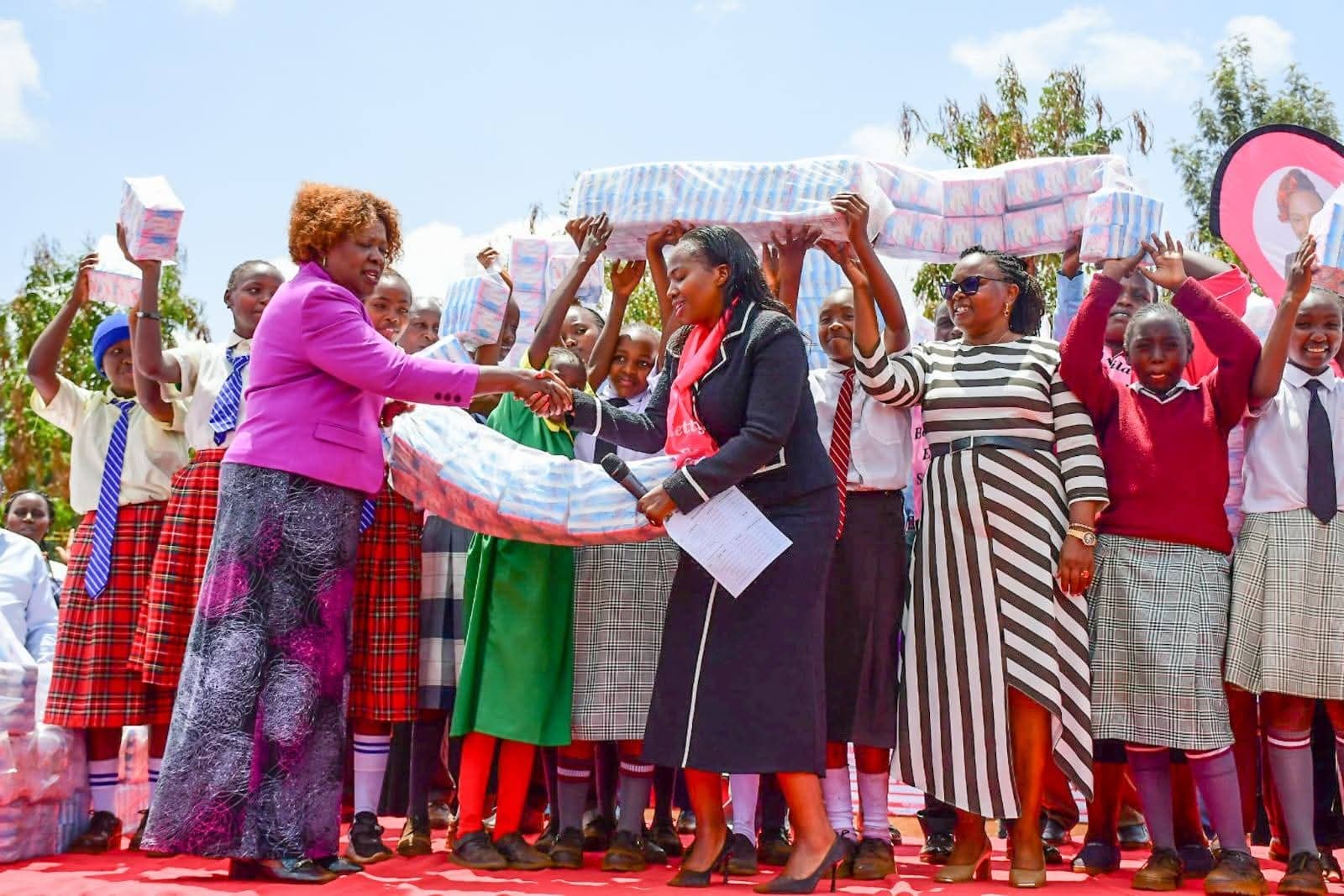
In a monumental stride toward educational equity and the eradication of period poverty, the Kenyan government has officially commenced a widespread distribution of sanitary towels to thousands of young learners, targeting the heart of Central Kenya to keep vulnerable students in the classroom.
The state has formally begun distributing free sanitary towels to an estimated 41,300 girls enrolled in both junior secondary and primary schools across Murang'a County. This intervention matters immensely right now because the rising cost of living, coupled with recent economic shocks, has forced many low-income households to prioritize basic food over essential hygiene products, threatening a catastrophic spike in school dropout rates among adolescent girls. By stepping in, the government is safeguarding the future of an entire generation of female leaders.
For decades, the silent crisis of period poverty has haunted the corridors of rural and marginalized urban schools across East Africa. In many parts of Murang'a County, a region celebrated for its agricultural output but plagued by stark economic inequalities, purchasing a standard packet of sanitary pads—often retailing at upwards of KES 150—remains an impossible luxury. For families surviving on less than KES 300 a day, the mathematics of survival simply do not accommodate menstrual hygiene management.
When adolescent girls cannot afford these basic necessities, the consequences are immediate and devastating. Studies indicate that a significant percentage of female learners in developing nations lose up to 20 percent of their academic year simply because they are menstruating. They are forced to stay home, utilizing unhygienic and unsafe alternatives ranging from torn rags to mattress stuffing. This not only exposes them to severe health risks, including life-threatening reproductive tract infections, but also triggers a rapid decline in academic performance. Over time, the compounding effect of these missed school days culminates in early dropouts, teenage pregnancies, and the perpetuation of the generational poverty cycle.
The government's latest intervention is designed to sever this vicious cycle once and for all. By ensuring that 41,300 girls receive a consistent and reliable supply of sanitary towels, educational authorities are essentially purchasing classroom time. The policy shift signals a broader recognition that providing menstrual products is not merely a public health imperative, but a fundamental educational right on par with providing textbooks and trained educators.
This massive logistical operation requires intricate coordination between various state departments, local administrators, and school management boards. It is not enough to simply deliver the products; the distribution must be equitable, transparent, and accompanied by proper reproductive health education. Teachers and local leaders in Murang'a have been tasked with overseeing the direct handover to the students, ensuring that the supplies bypass any potential bureaucratic bottlenecks or local corruption.
Key takeaways from this expansive government initiative include:
While the immediate focus is heavily centered on Murang'a, policymakers and educational advocates are already looking toward the horizon. The ultimate goal is to scale this specific operational model into a robust national framework, guaranteeing that no girl within the borders of Kenya is ever forced to trade her dignity for her education. There are ongoing debates within parliamentary committees regarding the long-term sustainability of this funding, with proposals suggesting that a fixed percentage of the national educational budget be permanently ring-fenced specifically for menstrual hygiene management.
The East African region as a whole is watching Kenya's aggressive approach to this issue. Neighboring nations grappling with similar educational retention challenges are assessing the feasibility of mirroring this state-sponsored distribution network. If successful, the Murang'a project could serve as the definitive blueprint for regional policy reform, proving that strategic investments in young women yield the highest possible dividends for developing economies.
"Empowering a girl with dignity is the first and most critical step in equipping her to change the world."
Keep the conversation in one place—threads here stay linked to the story and in the forums.
Sign in to start a discussion
Start a conversation about this story and keep it linked here.
Other hot threads
E-sports and Gaming Community in Kenya
Active 9 months ago
The Role of Technology in Modern Agriculture (AgriTech)
Active 9 months ago
Popular Recreational Activities Across Counties
Active 9 months ago
Investing in Youth Sports Development Programs
Active 9 months ago



