We're loading the full news article for you. This includes the article content, images, author information, and related articles.
Government Spokesperson Isaac Mwaura dismisses claims of stalling on the NADCO report, revealing a three-pronged implementation strategy and confirming that 16 reform bills are already before Parliament.
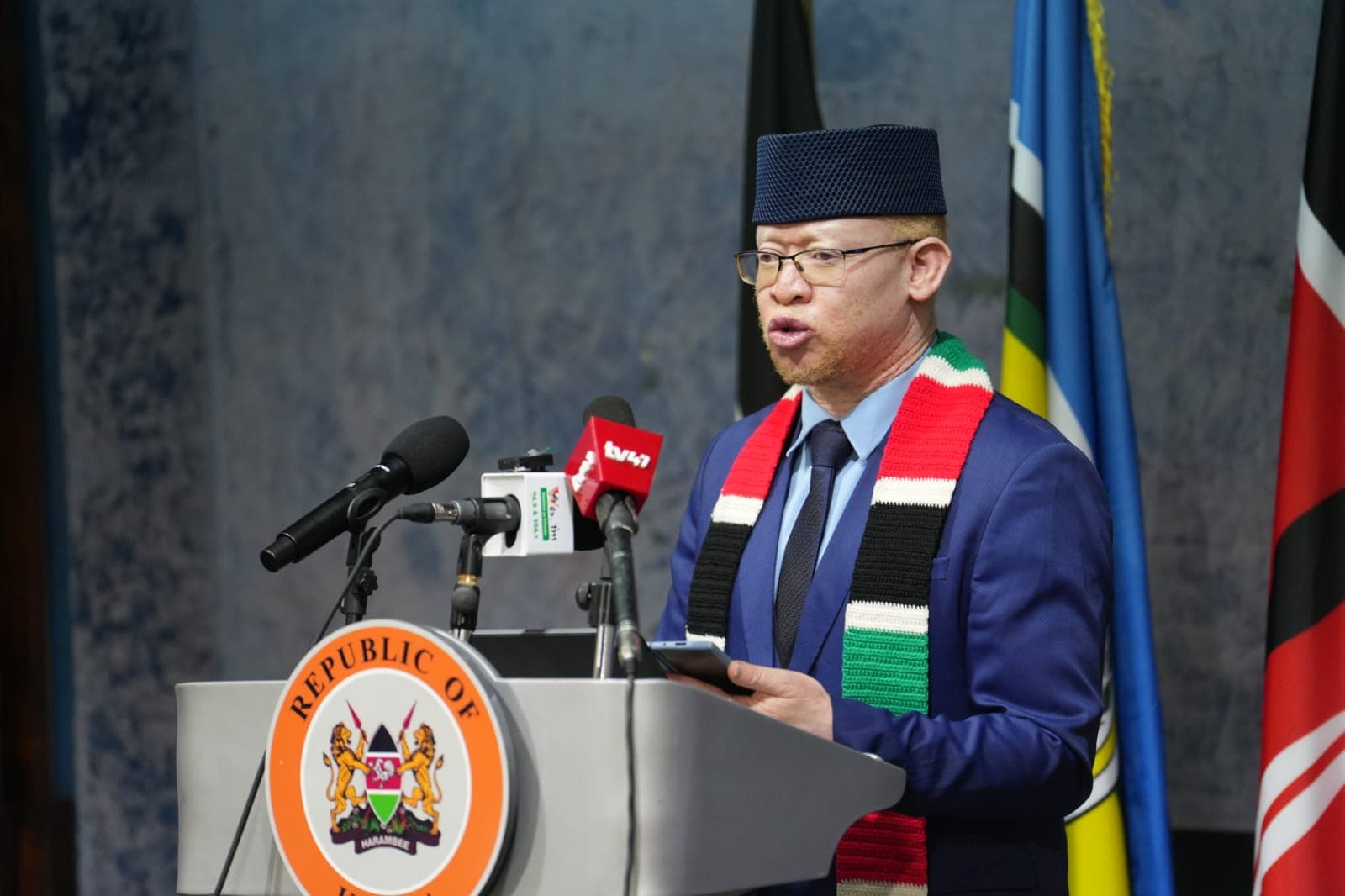
The Kenyan government has moved to aggressively dispel growing public anxiety regarding the implementation of the National Dialogue Committee (NADCO) report, describing claims of stagnation as "totally misguided." In a spirited defense of the administration's commitment, Government Spokesperson Isaac Mwaura insisted that the reform train has not only left the station but is gathering steam across multiple administrative and legislative tracks.
Despite the rising political temperature and skepticism from opposition quarters, the state maintains that the complex machinery of implementation is fully operational behind the scenes. The disconnect between public perception of silence and the government's reported bureaucratic activity highlights the delicate phase of this critical national reconciliation process.
Speaking from Nairobi, Mwaura detailed a structured, three-pronged approach—administrative, legislative, and constitutional—that the government has adopted to turn the NADCO recommendations into reality. He revealed that a dedicated five-member implementation committee is actively engaging with all 54 State Departments. "The implementation process is firmly on course," Mwaura stated, emphasizing that templates have already been developed to track specific deliverables, particularly those addressing the cost of living.
The spokesperson disclosed that 16 distinct bills linked to the NADCO agenda are currently navigating the parliamentary labyrinth in both the National Assembly and the Senate. This legislative offensive, according to the state, proves that the handshake agreement is being honored in substance, if not in the speed some critics demand.
A significant portion of the briefing addressed the structural limitations of immediate implementation. Mwaura clarified that out of the ten core agenda items agreed upon, eight are being handled administratively. However, he pointed out that two critical items require constitutional amendments, necessitating a referendum under Chapter 16 of the Constitution. This legal reality creates an inevitable timeline that cannot be rushed without compromising the rule of law.
This reassurance comes at a time when the opposition has begun to voice concerns over the pace of reforms, with some factions threatening a return to street protests. The government's detailed rebuttal serves as a strategic maneuver to preempt any narrative of betrayal. By placing the onus on procedural correctness and legislative processes, the administration is signaling that while the political will exists, the legal gears must turn at their own pace.
"The Government reaffirms its full and public commitment," Mwaura declared, attempting to close the credibility gap. As the 16 bills progress and the referendum conversation matures, the coming months will be the true test of whether this bureaucratic confidence translates into the tangible changes Kenyans were promised during the dialogue.
Keep the conversation in one place—threads here stay linked to the story and in the forums.
Sign in to start a discussion
Start a conversation about this story and keep it linked here.
Other hot threads
E-sports and Gaming Community in Kenya
Active 9 months ago
The Role of Technology in Modern Agriculture (AgriTech)
Active 9 months ago
Popular Recreational Activities Across Counties
Active 9 months ago
Investing in Youth Sports Development Programs
Active 9 months ago



