We're loading the full news article for you. This includes the article content, images, author information, and related articles.
**In Kenya's most ambitious bid to tackle food insecurity, the government has declared the vast Galana Kulalu project a Special Economic Zone, paving the way for a massive private-sector-led agricultural revolution.**
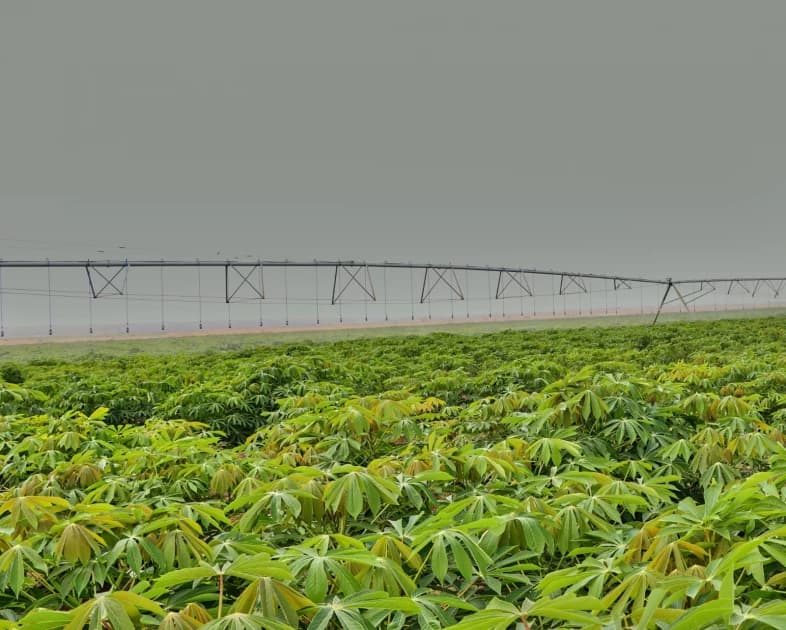
The Kenyan government has officially gazetted the sprawling Galana Kulalu Food Security Project as a Special Economic Zone (SEZ), a landmark policy shift designed to finally unlock the agricultural potential of a project that has for years been a symbol of unfulfilled promise.
This declaration is the cornerstone of the country's largest-ever land commercialisation drive. It aims to transform the 1.8 million-acre tract spanning Kilifi and Tana River counties from a stalled, capital-intensive state enterprise into a vibrant hub for global agribusiness investors, ultimately seeking to lower food costs and create thousands of jobs for Kenyans.
The move signals a radical change in strategy for a project that began in 2014 but later stalled due to challenges including mismanagement and funding disputes. By designating it an SEZ, the government is rolling out the red carpet for private companies, offering a suite of powerful incentives to attract the capital and expertise needed for large-scale cultivation.
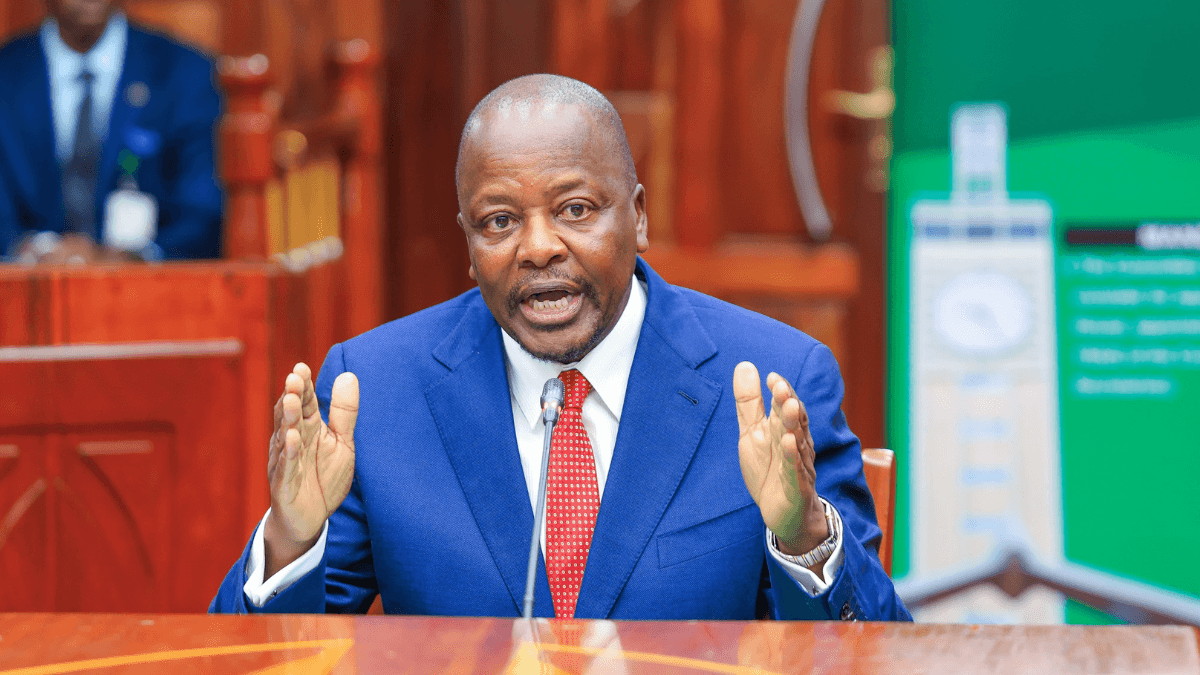
Agriculture Cabinet Secretary Mutahi Kagwe emphasized that the new status would fast-track development and attract serious investment. “Kenya cannot afford idle land while we are importing food," Kagwe stated, confirming the government's intent to partner with private investors to unlock the full value of all underutilised public land.
Key benefits for investors in the newly minted zone will include:
The primary goal of this revitalised project is to directly address Kenya's perennial food shortages, which have kept the price of staples like maize stubbornly high. President William Ruto, who has championed the project's revival under a Public-Private Partnership (PPP) model, noted that the initiative is no longer a dream but a working plan to make Kenya food-secure. The project is expected to significantly reduce the country's reliance on maize imports, which costs the nation billions of shillings annually.
Under the new framework, private firms like Selu Africa and Al Dahra of the UAE have already been engaged to bring vast tracts under irrigation. The focus will be on cereals, edible oils, horticulture, and livestock feed, creating a diversified agro-industrial hub. Recent infrastructure upgrades, including a new KES 519.4 million (approx. $4 million USD) water intake system and reservoir, have already paved the way for initial cultivation, with over 3,000 jobs created so far.
While the SEZ declaration has been widely praised as a pragmatic solution, analysts remain cautiously optimistic, pointing to the project's troubled past. The success of this new chapter hinges on transparent governance and ensuring that the benefits, particularly jobs and lower food prices, are felt by ordinary Kenyans. The government has attempted to preemptively tackle bureaucratic hurdles by establishing a one-stop office that promises to process land acquisitions for investors within a month.
As Agriculture CS Mutahi Kagwe declared, “The era of idle land is over.” For millions of Kenyans, the hope is that this declaration will finally mark the era of affordable food and lasting agricultural prosperity.
Keep the conversation in one place—threads here stay linked to the story and in the forums.
Sign in to start a discussion
Start a conversation about this story and keep it linked here.
Other hot threads
E-sports and Gaming Community in Kenya
Active 9 months ago
The Role of Technology in Modern Agriculture (AgriTech)
Active 9 months ago
Popular Recreational Activities Across Counties
Active 9 months ago
Investing in Youth Sports Development Programs
Active 9 months ago
Key figures and persons of interest featured in this article