We're loading the full news article for you. This includes the article content, images, author information, and related articles.
Construction crews have broken ground on a state-of-the-art stadium in Wajir County, racing against time to host the upcoming national Madaraka Day celebrations.
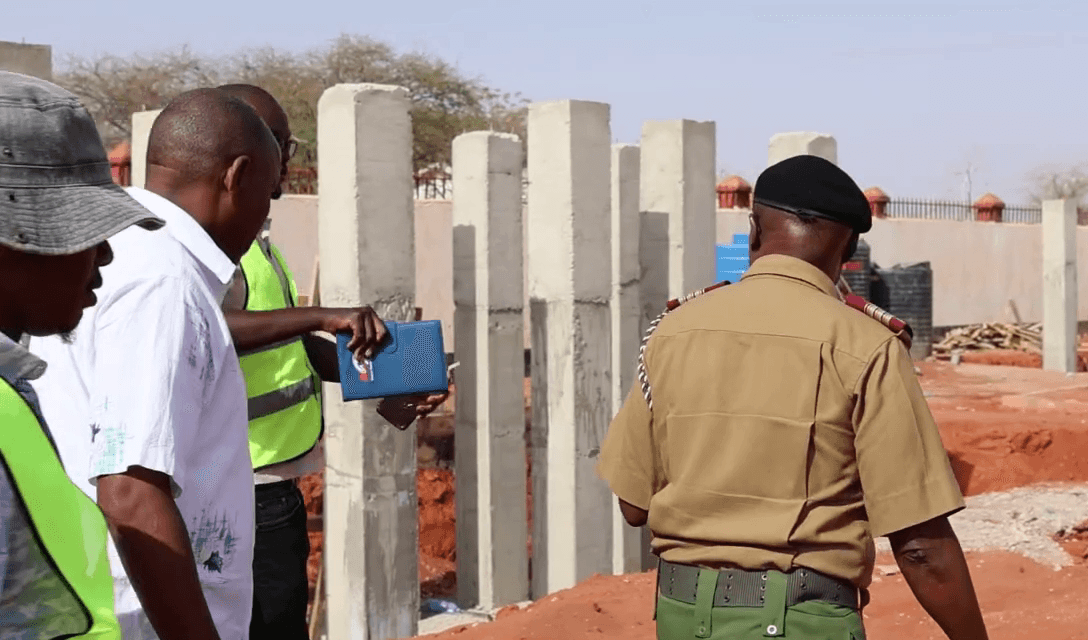
The usually quiet plains of Wajir County are buzzing with heavy machinery. Contractors have officially begun the construction of a new stadium, designated as the focal point for this year's Madaraka Day national fete.
Hosting a national holiday is a transformative event for any marginalized county. Beyond the patriotic fervour, this infrastructure project represents a multi-million shilling injection into the local economy, promising jobs, improved roads, and a lasting sporting legacy for the youth of Northern Kenya.
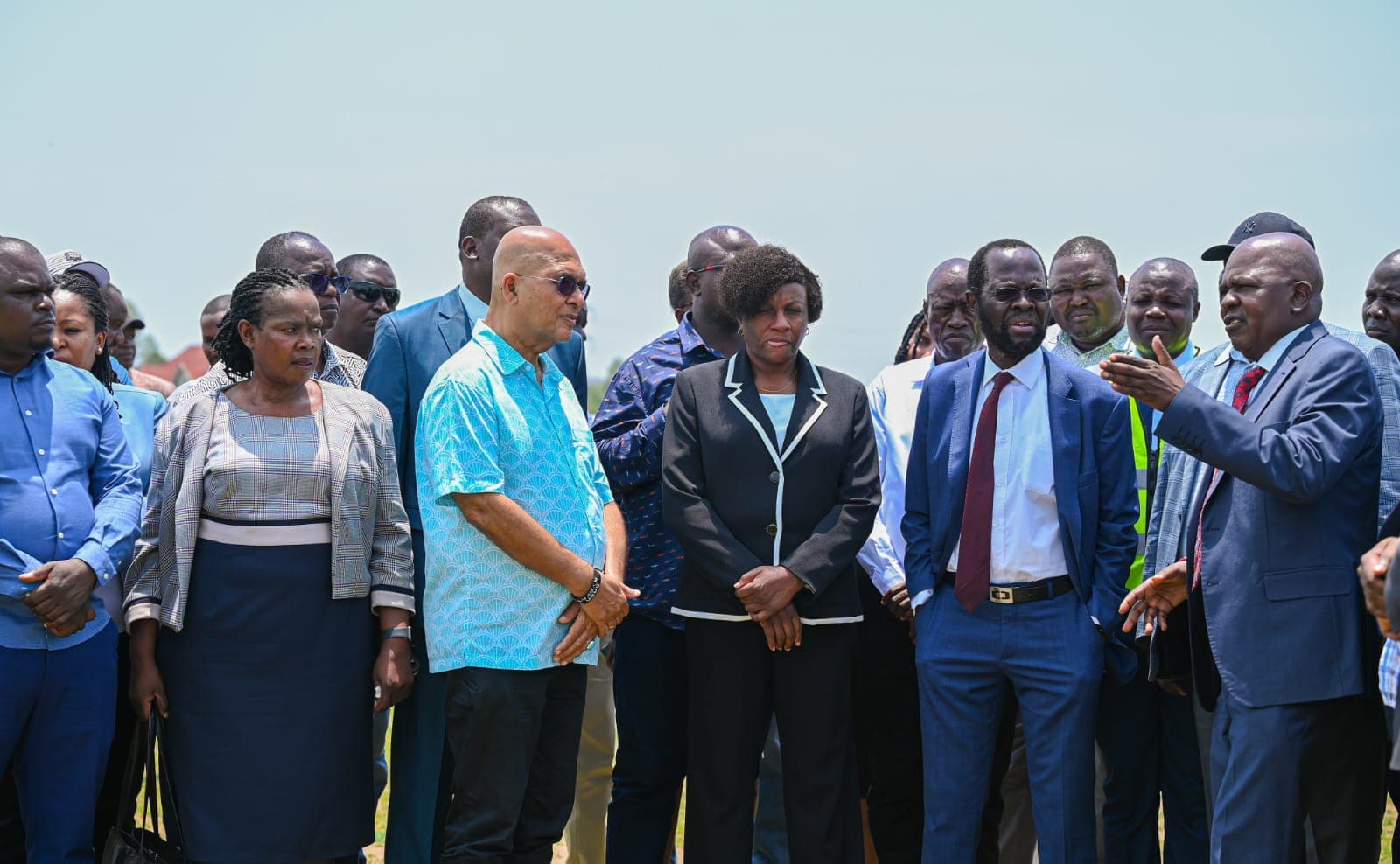
For decades, the sprawling expanse of Northern Kenya has grappled with perceived marginalization from the central government's infrastructural planning. The decision to host the prestigious Madaraka Day celebrations in Wajir County is a profound symbolic and practical departure from this history. County Commissioner Karuku Ngumo and Project Engineer Dennis Oloo recently addressed the press, confirming that the groundwork for a state-of-the-art stadium is officially underway. The facility is being fast-tracked to meet the stringent deadlines imposed by the June 1st national holiday, requiring round-the-clock engineering efforts.
This development is not an isolated event but part of a deliberate national strategy to rotate state celebrations across the 47 counties. This decentralization of national pride forces the rapid deployment of resources to regions that urgently need infrastructural upgrades. In Wajir, the construction of the stadium is accompanied by the rehabilitation of access roads, the upgrading of local airstrips, and the enhancement of the local hospitality sector to accommodate the anticipated influx of state dignitaries, security personnel, and thousands of ordinary citizens.
The financial implications of this project are staggering for the local economy. The national government has allocated hundreds of millions of shillings (KES) to ensure the facility meets international standards. This capital injection is already having a multiplier effect on the ground.
More importantly, the long-term legacy of the stadium will outlast the single day of celebration. Wajir boasts a deep reservoir of untapped athletic talent. A modern sporting facility provides the youth with a professional arena to hone their skills in football, athletics, and other disciplines, potentially steering them away from the socio-economic vulnerabilities that often lead to radicalization in border regions.
Constructing a massive public facility in an arid environment presents unique engineering challenges. Project Engineer Dennis Oloo highlighted the complexities of securing adequate water for construction and ensuring the structural integrity of the foundations in sandy soil. Advanced architectural techniques are being employed to ensure the stadium can withstand the extreme daytime temperatures while providing adequate ventilation and shade for the thousands of expected spectators.
As the clock ticks down to Madaraka Day, the collaboration between the national government, the county administration, and local contractors will be tested. However, the prevailing mood in Wajir is one of immense pride and anticipation.
"This stadium is more than concrete and steel; it is a monument to the resilience of Wajir and a beacon of integration into the national fabric."
Keep the conversation in one place—threads here stay linked to the story and in the forums.
Sign in to start a discussion
Start a conversation about this story and keep it linked here.
Other hot threads
E-sports and Gaming Community in Kenya
Active 9 months ago
The Role of Technology in Modern Agriculture (AgriTech)
Active 9 months ago
Popular Recreational Activities Across Counties
Active 9 months ago
Investing in Youth Sports Development Programs
Active 9 months ago