We're loading the full news article for you. This includes the article content, images, author information, and related articles.
A catastrophic storm has claimed hundreds of lives and displaced over a million people, but a powerful wave of volunteerism offers a glimmer of hope amid the wreckage.
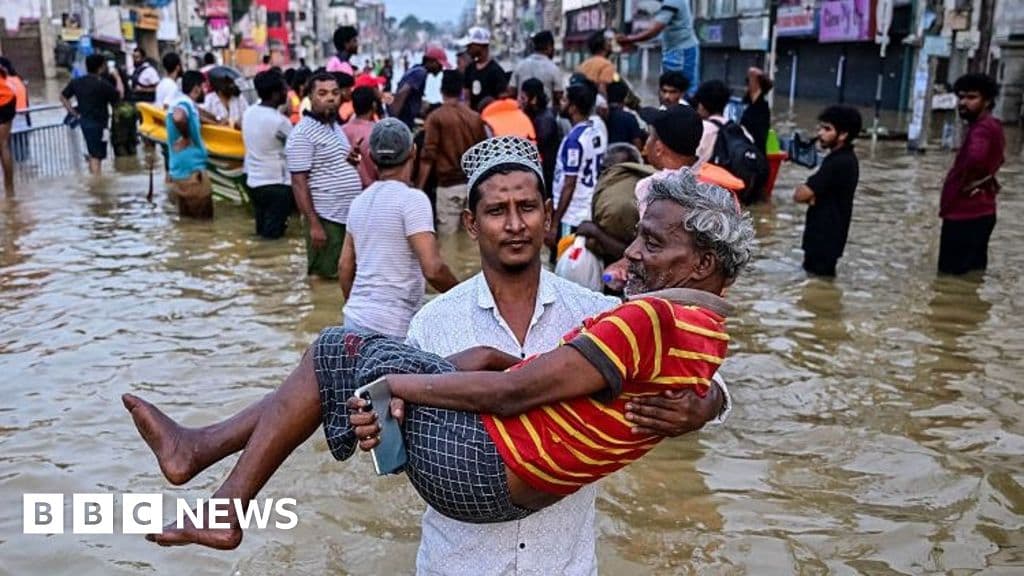
A deluge of historic proportions has plunged Sri Lanka into a state of emergency, as Cyclone Ditwah unleashed catastrophic floods and landslides across the island nation. The storm, described by the country's president as the “most challenging natural disaster” in its history, has left a devastating trail of destruction.
This is not just a crisis; it is a national tragedy unfolding in real-time. The sheer scale of the disaster is staggering, forcing the government to appeal for international assistance while ordinary citizens mobilize in an unprecedented show of solidarity to deliver aid to communities cut off by the floodwaters.
The statistics paint a grim picture of the cyclone's impact. As of early this week, the toll stood at over 400 lives lost, with hundreds more still missing. The United Nations and other international bodies are working to grasp the full extent of the damage.
In response, President Anura Kumara Dissanayake has declared a state of emergency, granting authorities sweeping powers to manage the crisis and deploy more than 20,000 military personnel for rescue operations. The government has also established a 'Rebuilding Sri Lanka' Fund to manage recovery efforts, acknowledging the immense financial challenge ahead.
For Kenyans, the scenes of devastation in a fellow Indian Ocean nation are a sobering reminder of our own climate vulnerabilities. The catastrophic floods in Kenya during April and May 2024, which claimed over 235 lives and displaced more than 260,000 people, highlight a shared struggle against increasingly extreme weather patterns. Scientists have repeatedly warned that rising ocean temperatures are fueling more intense storms in the region.
The international response has been swift, with nations like the UK pledging $890,000 (approx. KES 115 million) and China offering a $1 million (approx. KES 130 million) cash donation. This global aid is crucial as Sri Lanka faces a long and arduous path to recovery, a situation that underscores the need for robust disaster preparedness frameworks both at home and abroad.
Amid the official response, a powerful grassroots movement has emerged. Sri Lankan actor and musician GK Reginold has been seen navigating the flooded suburbs of the capital, Colombo, in a fishing boat to deliver food and water to stranded families. "The main reason why I wanted to do this, is to at least help them to have one meal," he noted.
His actions are not isolated. Activists, many of whom were central to the 2022 anti-government protests, have repurposed their organizational skills to run community kitchens and coordinate relief. This surge of volunteerism, powered by social media and a deep sense of community, is proving critical where official aid is yet to reach, offering a vital lifeline to those most in need.
As the floodwaters slowly recede, the full economic and human cost of Cyclone Ditwah will become clearer. For now, the focus remains on the urgent task of rescue and relief, a battle being fought not only by the state but by countless ordinary Sri Lankans determined to help their nation heal.
Keep the conversation in one place—threads here stay linked to the story and in the forums.
Sign in to start a discussion
Start a conversation about this story and keep it linked here.
Other hot threads
E-sports and Gaming Community in Kenya
Active 9 months ago
The Role of Technology in Modern Agriculture (AgriTech)
Active 9 months ago
Popular Recreational Activities Across Counties
Active 9 months ago
Investing in Youth Sports Development Programs
Active 9 months ago



