We're loading the full news article for you. This includes the article content, images, author information, and related articles.
Internal aviation documents reveal a SpaceX Starship explosion in January created a far greater danger to 450 airline passengers than was publicly known, forcing pilots into desperate fuel emergencies over the Caribbean.
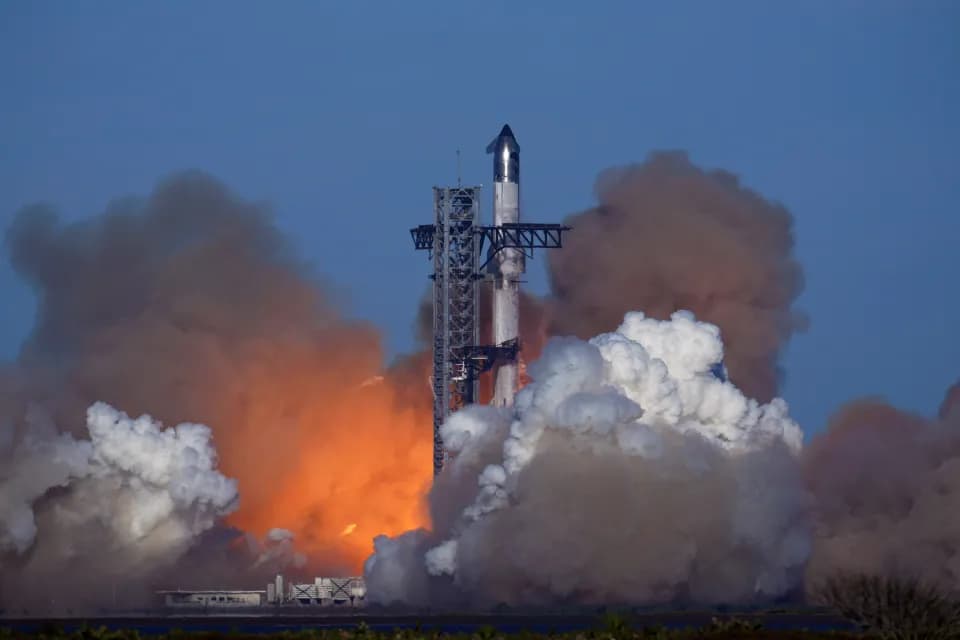
A SpaceX Starship rocket explosion on January 16 showered the Caribbean sky with fiery debris for nearly an hour, posing a “potential extreme safety risk” to hundreds of airline passengers and forcing pilots to declare fuel emergencies to land safely. The incident, detailed in Federal Aviation Administration (FAA) documents obtained by The Wall Street Journal, has exposed critical gaps in safety protocols as the private space race accelerates.
The revelations challenge the narrative of an isolated rocket failure, painting instead a picture of chaos in the skies that directly affected global air travel. For Kenyans and international travellers alike, it raises urgent questions about the safety of increasingly crowded commercial airspace, where the ambitions of space exploration are now intersecting with routine passenger routes.
Following the Starship's disintegration minutes after its launch from Texas, debris rained down over a wide swath of the Caribbean. This forced air traffic controllers to scramble, rerouting multiple flights. Three aircraft—a JetBlue flight to Puerto Rico, an Iberia Airlines jet, and a private plane—carrying a total of 450 people were directly impacted.
Pilots on the affected flights faced an impossible choice: fly through a potential debris field described by one pilot as “intense fire,” or remain in a holding pattern and risk running out of fuel over the ocean. According to the FAA records, all three aircraft ultimately declared fuel emergencies to push through the temporary no-fly zone and land.
The sudden diversions created further hazards. In one instance, two planes flew dangerously close to each other, requiring an emergency intervention from air traffic control to prevent a potential mid-air collision.
The FAA documents allege a critical delay in communication. Air traffic controllers in Miami were reportedly not informed of the rocket failure by SpaceX through a required emergency hotline. Instead, they first learned of the danger from pilots who saw the falling debris.
While SpaceX has called the Wall Street Journal's report “misleading” and insisted that no aircraft were put at risk, this is not the first time its operations have disrupted commercial aviation. Other Starship tests have prompted the FAA to halt air traffic, and Qantas Airlines was reportedly forced to delay flights earlier this year due to warnings covering a large part of the Indian Ocean.
The FAA has since mandated a formal mishap investigation into the January 16 incident to determine the root cause and identify corrective actions to prevent it from happening again. The episode serves as a stark warning, highlighting the growing pains of a new space era and the critical need for robust regulations that ensure the safety of the millions of passengers who share the skies every day.
Keep the conversation in one place—threads here stay linked to the story and in the forums.
Sign in to start a discussion
Start a conversation about this story and keep it linked here.
Other hot threads
E-sports and Gaming Community in Kenya
Active 9 months ago
The Role of Technology in Modern Agriculture (AgriTech)
Active 9 months ago
Popular Recreational Activities Across Counties
Active 9 months ago
Investing in Youth Sports Development Programs
Active 9 months ago