We're loading the full news article for you. This includes the article content, images, author information, and related articles.
Allegations ranging from workplace abuse to gang ties have swept up top entertainers, sparking a fierce debate on accountability that resonates with Kenyan fans of K-culture.
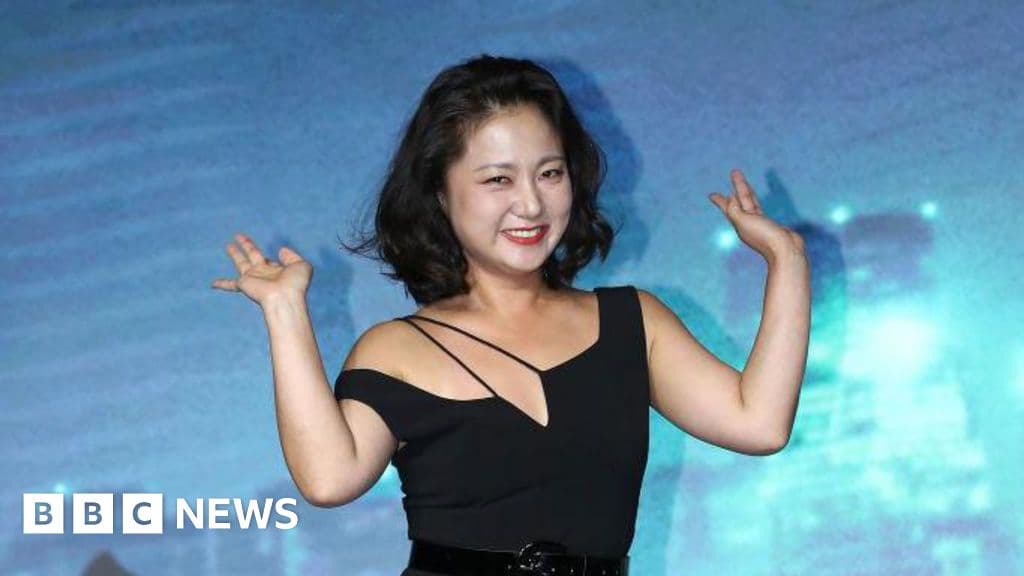
In a matter of days, three titans of South Korea's entertainment industry have seen their reputations crumble, victims of a ruthless news cycle that demands absolute moral perfection from its stars.
The swift and simultaneous downfall of these figures is more than just tabloid fodder; it marks a pivotal moment for the country's entertainment sector. As allegations of workplace abuse, juvenile delinquency, and gang associations surface, the industry is grappling with a reckoning that threatens to dismantle careers built over decades.
For Kenyan audiences, who have increasingly embraced K-Dramas and Korean variety shows on platforms like Netflix and Viu, the sudden disappearance of these familiar faces may come as a shock. The allegations are distinct but equally damaging.
Park Na-rae, a 40-year-old comedian and household name, finds herself at the center of a dual storm. Last week, two former managers filed criminal complaints alleging verbal abuse and physical assault. They further claimed Park forced them to perform personal chores, blurring professional lines in a manner that has sparked outrage.
Compounding her legal troubles, local media reported that Park is under police investigation for allegedly receiving IV drips illegally at her home—a violation of South Korean medical law. While her agency has vehemently denied the abuse claims, counter-suing for blackmail, the damage to her public image is already palpable.
Park is not alone in the crosshairs. The controversy has widened to include other veterans of the screen, creating a domino effect across the industry:
The immediate consequence for all three has been identical: a swift exit from the television screens where they once commanded millions of viewers. In South Korea, the court of public opinion often moves faster than the legal system, and broadcasters are quick to sever ties to protect their ratings.
This zero-tolerance approach offers a stark contrast to the entertainment landscape in Nairobi. While Kenyan 'Twitter (X)' is known for its ferocity in holding public figures accountable, the local industry often sees scandals morph into 'clout,' sometimes inadvertently boosting a celebrity's profile.
In Seoul, however, the standard is absolute. Analysts note that the intense pressure on South Korean stars to maintain a pristine image creates a fragile existence, where a single accusation can erase years of hard work. As the investigations into Park, Cho Sae-ho, and Cho Jin-woong proceed, the debate over whether this 'cancel culture' protects victims or punishes disproportionately is set to intensify.
"The results have been the same," a local commentator noted regarding the departures. "It raises fundamental questions about the standards to which public figures are held."
Keep the conversation in one place—threads here stay linked to the story and in the forums.
Sign in to start a discussion
Start a conversation about this story and keep it linked here.
Other hot threads
E-sports and Gaming Community in Kenya
Active 9 months ago
The Role of Technology in Modern Agriculture (AgriTech)
Active 9 months ago
Popular Recreational Activities Across Counties
Active 9 months ago
Investing in Youth Sports Development Programs
Active 9 months ago