We're loading the full news article for you. This includes the article content, images, author information, and related articles.
Interior CS Murkomen admits alcohol abuse is rampant in the police force, ordering mandatory rehab or dismissal for officers found drunk on duty.
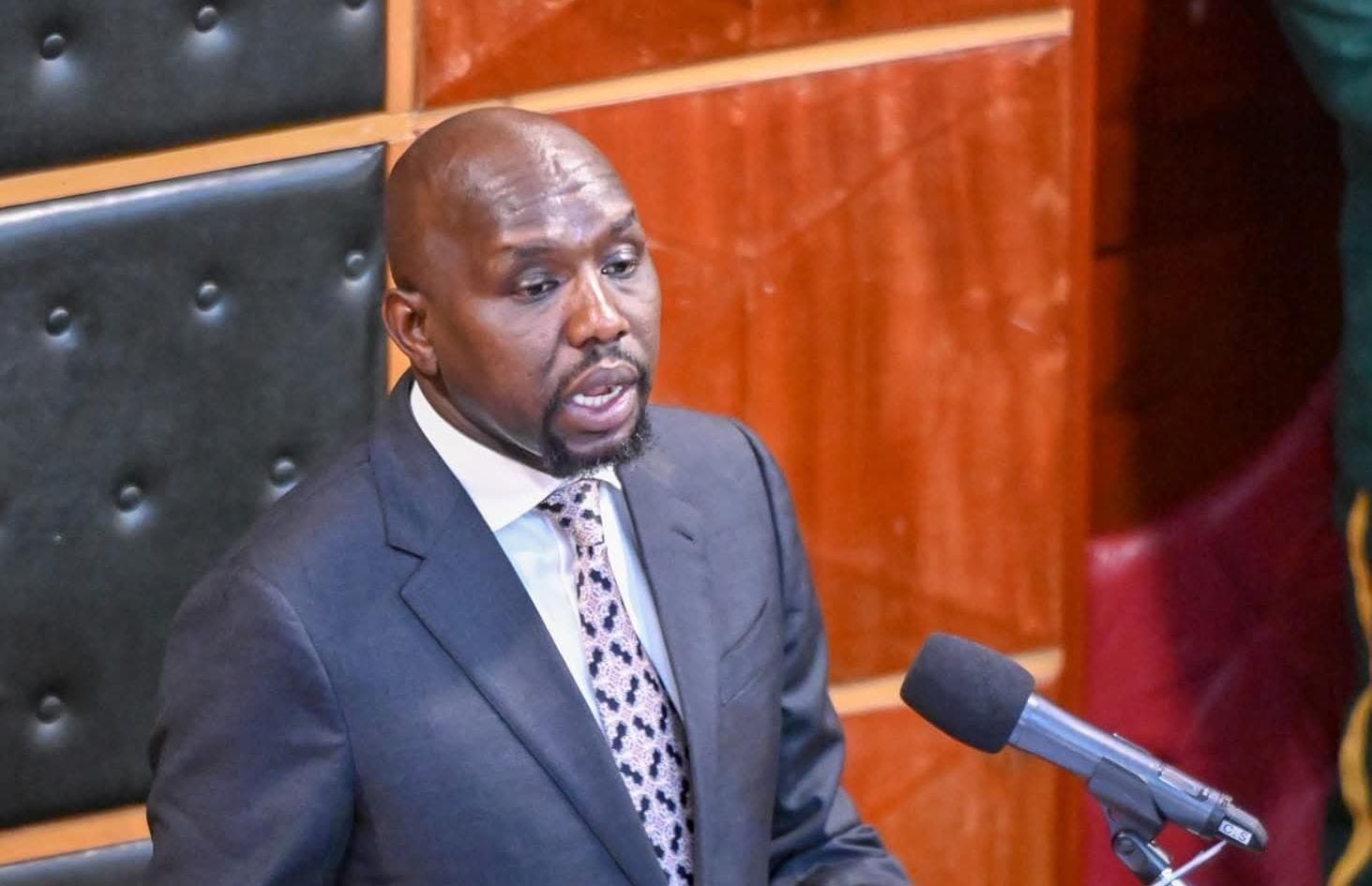
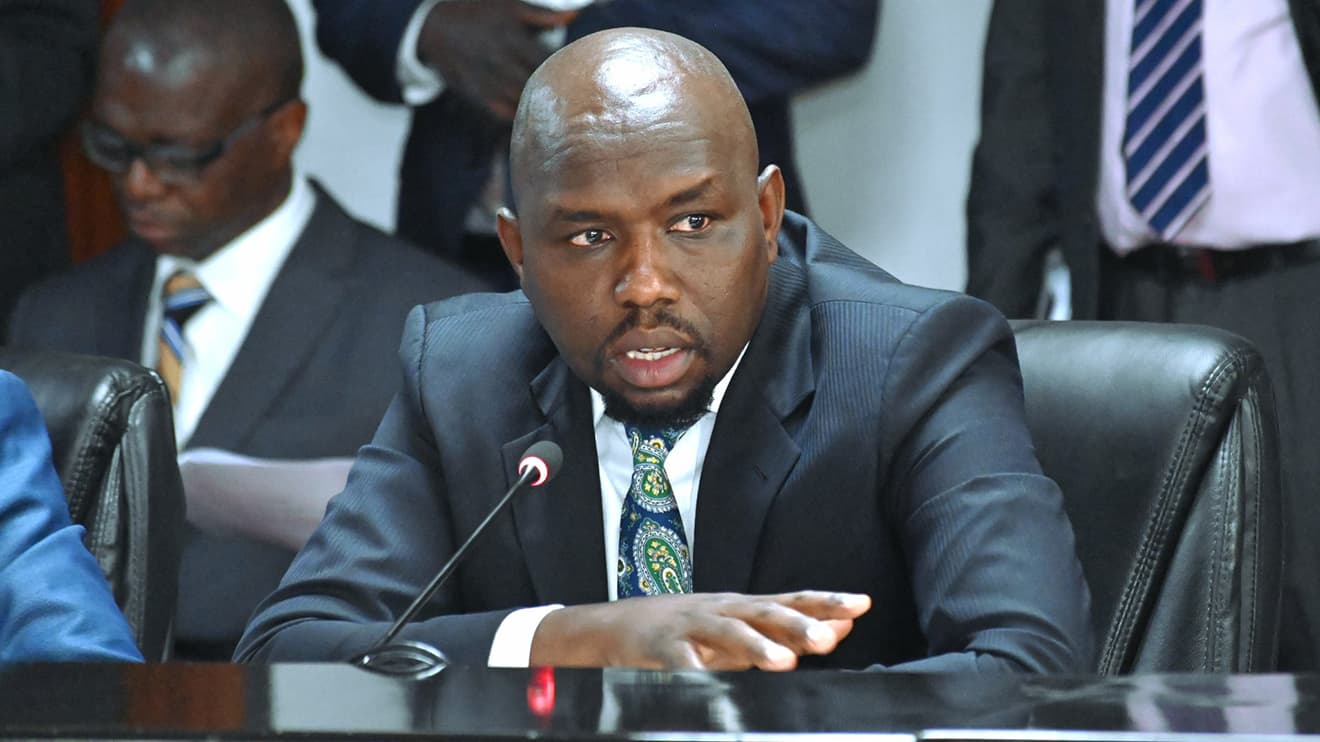
The greatest threat to Kenya’s security may not be bandits or terrorists, but the bottle. In a rare and candid admission of institutional rot, Interior Cabinet Secretary Kipchumba Murkomen has flagged alcohol and drug abuse within the National Police Service as a "serious problem" that is compromising law and order.
Speaking to MPs at a Speaker’s Kamukunji, Murkomen stripped away the uniform’s veneer of discipline to reveal a force struggling with addiction. He cited shocking instances where Officers Commanding Stations (OCSs)—the very commanders entrusted with public safety—have reported for duty intoxicated. In one incident at a "Jukwaa la Usalama" security meeting, an OCS was visibly drunk, a spectacle that erodes public confidence faster than any corruption scandal could. "Addiction is not confined to citizens," Murkomen confessed. "It affects police officers too."
The CS has drawn a hard line in the sand. The era of covering up for "our boys" is over.Murkomen announced a new, strict framework directed by the Inspector General: no officer is to be deployed while under the influence. The policy is a mix of compassion and ruthlessness. Officers struggling with addiction will be offered a lifeline—rehabilitation centers. However, this is not an indefinite holiday. "You may be given one chance," Murkomen warned. "Beyond that, if you are unable to serve with discipline, you must exit the service."
This ultimatum addresses a critical gap in police reform. For years, the psychological toll of policing—the trauma, the long hours, the isolation—has been medicated with alcohol, creating a culture where drunkenness is normalized. By linking sobriety directly to employment, Murkomen is attempting to break this cycle. He also placed responsibility squarely on the shoulders of commanders, stating that OCSs will be held personally liable if they deploy drunk officers who then misuse their firearms.
Murkomen’s declaration is a bold step, but implementation will be the true test. Can the police service police itself? The image of a drunk OCS is a powerful symbol of a system in need of detox. As the rehabilitation programs roll out, the public will be watching to see if the police service can sober up, or if the demons of addiction will continue to haunt the men and women in blue.
Keep the conversation in one place—threads here stay linked to the story and in the forums.
Other hot threads
E-sports and Gaming Community in Kenya
Active 9 months ago
The Role of Technology in Modern Agriculture (AgriTech)
Active 9 months ago
Popular Recreational Activities Across Counties
Active 9 months ago
Investing in Youth Sports Development Programs
Active 9 months ago
Key figures and persons of interest featured in this article