We're loading the full news article for you. This includes the article content, images, author information, and related articles.
Police detain protesters outside the Tanzanian High Commission as former Governor Kivutha Kibwana and civil society leaders condemn President Suluhu’s ‘authoritarian turn’ following disputed October polls.
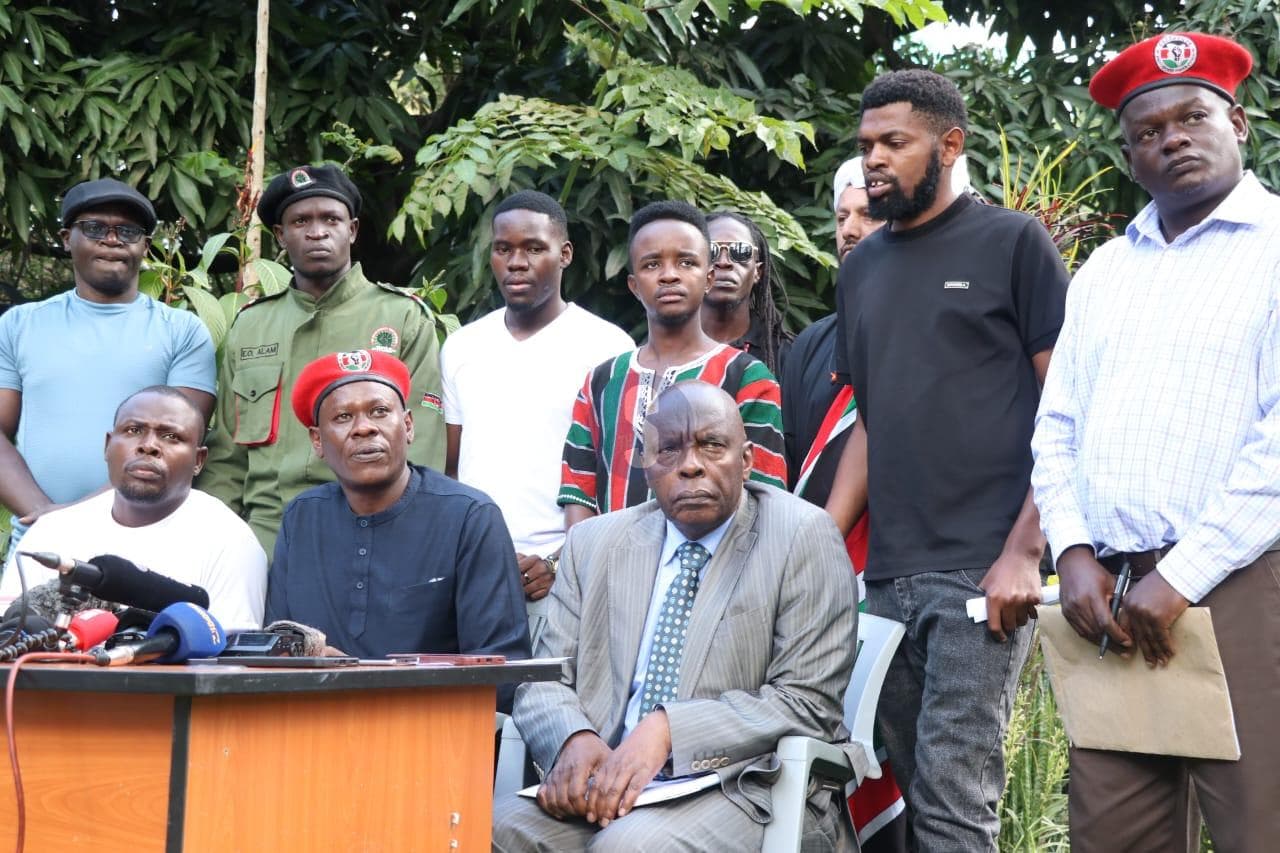
In a dramatic show of cross-border defiance, six Kenyan activists were arrested today outside the Tanzanian High Commission in Nairobi, transforming a planned solidarity march into a diplomatic flashpoint. What began as a peaceful procession to deliver a petition turned chaotic when police moved to disperse the group, underscoring the rising tension spilling over from Tanzania’s deepening political crisis.
The arrests come on the same day Tanzania was set to mark its 64th Independence Day. Instead, the streets of Dar es Salaam and Dodoma are patrolled by armed officers after President Samia Suluhu Hassan cancelled official celebrations—a move critics describe as a desperate bid to stifle nationwide protests over the disputed October 29 general election. For Kenyans, the crackdown next door is not just a foreign news story; it is a chilling reminder of the fragility of regional democracy.
Before the arrests, a coalition of Kenyan civil society groups, led by the Free Kenya Movement and Vocal Africa, had gathered to condemn what they termed the "systematic erasure" of rights in Tanzania. The group, which included former Makueni Governor Prof. Kivutha Kibwana and activist Bob Njagi, had officially notified Nairobi Regional Police Commander George Sedah of their intent to march.
"State violence and mass arrests cannot be normalised," Prof. Kibwana told reporters earlier in the day, his voice cutting through the morning traffic. "Tanzanians deserve democracy, dignity, and life. The regional civic community cannot stay silent while our neighbours are silenced."
The situation escalated when the procession reached the diplomatic enclave. Police officers, citing unlawful assembly, detained six individuals, including activist Geoffrey Mboya. As he was led away, Mboya shouted, "We are here to express support for the people of Tanzania... whatever happens in Tanzania affects all of us."
Across the border, the atmosphere is tense. Today, dubbed 'D9' by organizers, was meant to be a day of mass demonstrations against President Suluhu’s administration. The opposition Chadema party and various rights groups have rejected the October election results, which saw the ruling CCM party claim a landslide victory amid allegations of ballot stuffing and the disqualification of opposition candidates.
Tanzanian Minister of Home Affairs George Simbachawene had preemptively declared today’s planned protests illegal, describing them as "an attempted coup." In a televised address, he warned that security forces were prepared to act against anyone who took to the streets. Consequently, the usual fanfare of Independence Day was replaced by a government directive for citizens to "stay home," ostensibly to save funds for infrastructure repairs.
The Kenyan activists argue that the repression in Tanzania follows a dangerous script. Bob Njagi, President of the Free Kenya Movement, drew parallels between the two nations' struggles with state power. "This is not disorder; it is a system," Njagi said. "When you disappear bodies, raid hospitals, intimidate religious leaders, and terrorise communities, you are governing through fear."
International bodies have echoed these concerns. Amnesty International and Human Rights Watch have issued statements urging the Tanzanian government to investigate allegations of killings and enforced disappearances that have plagued the post-election period. For the Kenyan business community, the instability is also a red flag; Tanzania is a key trade partner, and prolonged unrest could disrupt the flow of goods along the Namanga corridor, impacting the price of essential commodities in Nairobi.
As the six activists await processing at a Nairobi police station, their message has already amplified the silence imposed on the streets of Dar es Salaam. The East African Community now faces a critical test: will it remain a club of incumbents protecting each other, or will it heed the growing calls for accountability from its citizens?
Keep the conversation in one place—threads here stay linked to the story and in the forums.
Sign in to start a discussion
Start a conversation about this story and keep it linked here.
Other hot threads
E-sports and Gaming Community in Kenya
Active 9 months ago
The Role of Technology in Modern Agriculture (AgriTech)
Active 9 months ago
Popular Recreational Activities Across Counties
Active 9 months ago
Investing in Youth Sports Development Programs
Active 9 months ago
Key figures and persons of interest featured in this article