We're loading the full news article for you. This includes the article content, images, author information, and related articles.
Silva Gigiri has officially launched in Nairobi’s diplomatic quarter, combining luxury residences, sustainability, wellness and long-term investment appeal in one of the city’s most strategic addresses.
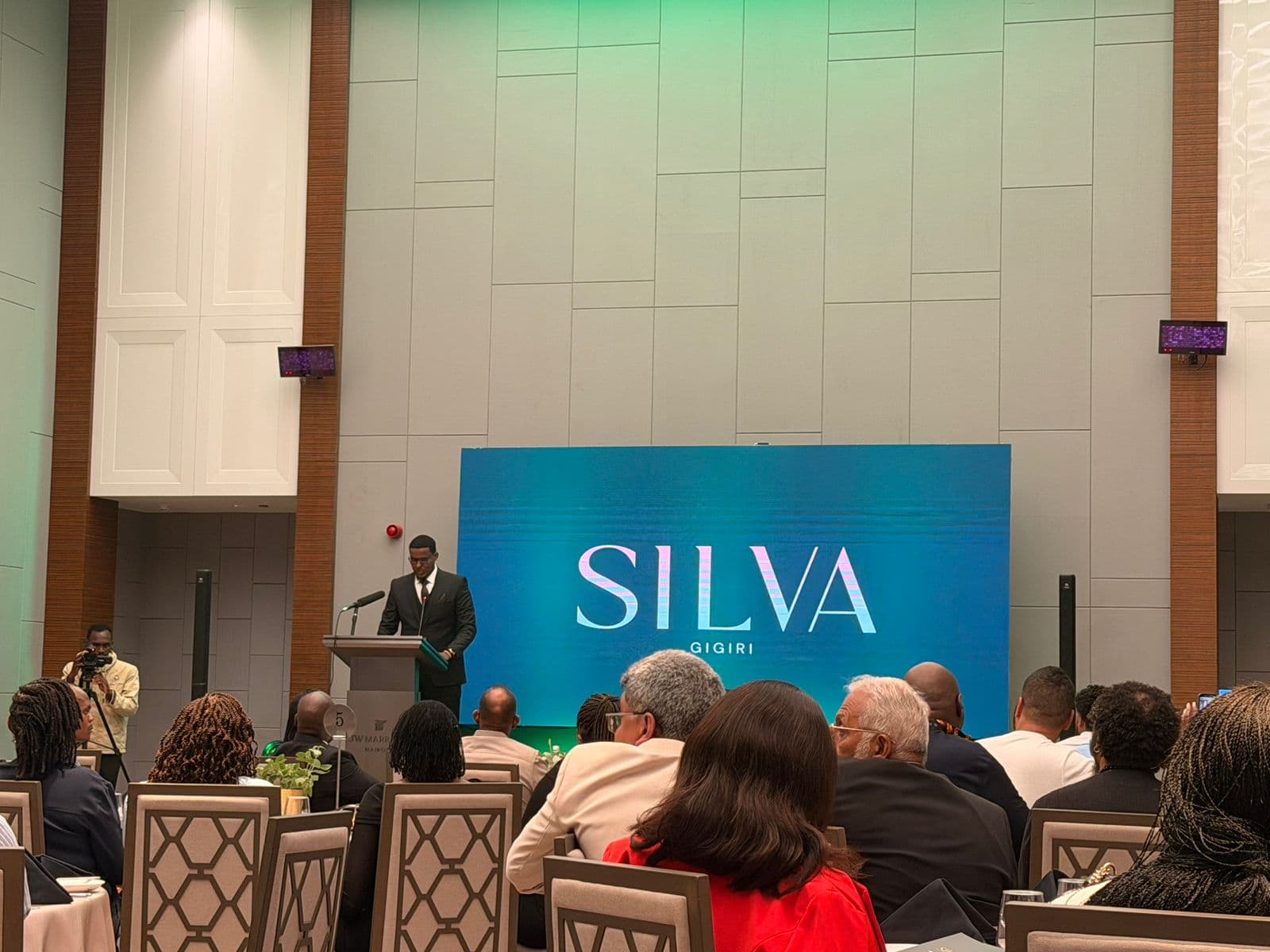
In Nairobi’s high-end real estate market, launches are rarely short on polished language. Prestige, exclusivity, elegance and investment promise have become standard vocabulary. But the unveiling of Silva Gigiri is attempting to plant itself in a different conversation, one that is less about conspicuous luxury and more about how premium developments in Kenya should respond to the future.
Officially launched along UN Crescent Road in Gigiri, Silva is being positioned as more than a residential project. Its press statement describes it as “a bold shift in how we think about real estate in Africa,” while the developer vision speech frames it as part of a deeper architectural and urban question: not simply how to build more, but how to build better.
That is an important distinction.
At a time when Nairobi continues to expand outward and upward, premium property buyers are becoming more selective about what exactly they are paying for. Square footage, imported finishes and a fashionable postcode are no longer enough on their own. Increasingly, buyers at the top end of the market are looking for developments that promise a full living environment, cleaner air, stronger security, calm, privacy, efficient management, and an address that can hold value over time. Silva’s launch message is built squarely around that shift. The project says today’s homeowner is seeking “well-being, clean air, connection to nature, and environments that support both mental and physical health.”
Silva Gigiri’s unveiling matters for three reasons:
location, positioning, and timing.
Gigiri remains one of the city’s most globally recognised neighbourhoods. It carries unusual weight because it sits at the intersection of diplomacy, security, greenery and international mobility. Silva’s own materials place the project inside Gigiri’s UN Blue Zone, describing the area as one of Kenya’s most secure and internationally connected enclaves, home to the United Nations Office at Nairobi, diplomatic missions and global institutions.
That matters commercially. In Nairobi, there are few addresses where residential desirability is supported not just by prestige, but by a durable ecosystem of embassies, international agencies, expatriate demand and executive mobility. Silva’s brochure is explicit that this positioning supports demand from diplomats, expatriates and executives, and underpins stronger occupancy, lower vacancy and longer-term value.
The Silva message is notable because it deliberately challenges an older luxury script. The press statement says high-end living has long been defined by “scale, opulence, and exclusivity,” but argues that a new era is emerging, where value is measured by “sustainability, wellness, and long-term impact.”
That language is not accidental. It reflects an increasingly visible market reality: sophisticated buyers are no longer only buying visible status. They are buying how a place makes daily life feel. They want environments that lower stress, protect privacy, offer better health conditions, preserve greenery and feel professionally managed rather than merely expensive.
Silva’s brand language leans heavily into this emotional and experiential shift. The brochure describes the project as an “internationally branded residential sanctuary” where architecture, hospitality and nature converge, while repeatedly returning to the ideas of stillness, calm, intentionality and clarity.
The premium property market in Nairobi is more crowded than it once was. That means strong launches are no longer only about unveiling a building. They must also establish a compelling reason the project should matter. Silva is trying to do that by anchoring itself to a broader urban and continental argument: that Africa should begin defining its own architectural identity more deliberately, using its own climate, landscape and way of life as a starting point.
That ambition was laid out clearly in the developer vision speech, which says inspiration was drawn from global green urban models, but that Africa should not simply copy external ideas. Instead, it should create spaces rooted in its own environment and social reality.
Silva Gigiri is presenting itself as a hospitality-led residential development with a mix of studios, one-bedroom, two-bedroom and three-bedroom homes, plus three penthouses.
Its amenities package includes:
Heated swimming pool
Wellness spa
Gym
Restaurant
300-metre jogging track
Open green spaces
24/7 concierge
High-speed internet
High-speed lifts
Laundry facilities
Fire protection
Ample parking
But the project is trying to make those amenities feel like more than a checklist. The brochure gives particular weight to spaces such as The Nest, a sculptural pavilion set among the treetops for reflection and intimate gatherings, as well as a forest-facing pool, botanical spa environment and restaurant designed as an extension of everyday living.
This is where the Silva proposition becomes more strategic. It is not merely selling access to amenities. It is selling a carefully managed emotional atmosphere: stillness, restoration, privacy and quiet prestige.
The strongest line attached to Silva’s unveiling may also be the simplest:
“Are we building more, or are we building better?”
That question captures the development’s real pitch.
Silva is trying to position itself as an answer to growing frustration with urban expansion that increases density without improving quality of life. Its launch language repeatedly connects housing to public health, sustainability and intergenerational relevance. The developer vision speech argues that homes should not just deliver physical shelter, but support well-being, resilience and a more thoughtful urban future.
That framing is especially significant in Nairobi, where rapid urban growth has often produced projects that maximize land use but do not always maximize liveability. By contrast, Silva’s materials emphasize natural ventilation, preserved green landscapes, environmental harmony and a slower, more deliberate living experience.
Silva says it is targeting LEED certification and aligning with Kenya’s Vision 2030 for sustainable urban growththrough energy-efficient design, responsible material use and environmentally conscious planning.
That is a meaningful claim in a market where sustainability is often used loosely in marketing. At launch level, the message is powerful because it signals that environmental performance is no longer a side feature for premium developments. It is becoming part of their value logic.
For Silva, sustainability is not being presented as a separate technical category. It is woven directly into the project’s identity, from landscaping and ventilation to the promise of longer-term urban relevance. That makes its green message more commercially intelligent than cosmetic.
Location alone does not make Gigiri attractive. What strengthens the area’s premium appeal is the combination of security, privacy and international-standard living expectations. Silva’s brochure responds directly to that environment.
The project says it will offer:
Smart keyless access
AI-enabled CCTV with 24/7 monitoring
Automated sprinkler systems
Smoke and heat detection
Controlled access points
Centralised safety and response management
Always-on connectivity
That feature set is particularly relevant in a diplomatic district where discretion and reliability matter just as much as design.
Silva is not pretending that this is only a lifestyle story. Its brochure openly markets the development as a long-term asset, citing:
Premium positioning
Stronger yields
High demand from diplomats, expatriates and executives
Higher occupancy
Lower vacancy
Professionally managed rental programmes
Faster resale potential
Capital appreciation
Stable long-term income
This dual message matters. Many high-end developments struggle because they lean too heavily into aspiration without proving their economic logic, or too heavily into investment returns without creating emotional desirability. Silva is trying to bridge both by presenting wellness, security, service and sustainability as part of the asset’s long-term performance.
The developer vision speech introduces Mohamed Bishar, founder of Season Global, and notes that his development journey began with Gigiri Lion Villas, a boutique hospitality project in Gigiri.
The brochure adds that Silva Gigiri Limited is behind the GLV Collection, a portfolio of boutique luxury residences within Nairobi’s diplomatic quarter, and says the developer has experience in hospitality-led living, strong occupancy performance and global service standards.
That history helps explain Silva’s emphasis on service, managed living and the hospitality dimension of residential real estate. It suggests the development is attempting to bring hotel-grade expectations into long-stay urban housing.
|
Item |
Detail |
|---|---|
|
Development |
Silva Gigiri |
|
Location |
UN Crescent Road, next to Eaton Place, Gigiri, Nairobi |
|
Positioning |
Luxury, hospitality-led residential sanctuary |
|
Unit mix |
Studios, 1-bed, 2-bed, 3-bed, plus 3 penthouses |
|
Core themes |
Wellness, sustainability, security, nature, long-term value |
|
Sustainability goal |
LEED certification target |
|
Target market |
Diplomats, expatriates, executives, premium buyers, investors |
|
Developer |
Silva Gigiri Ltd / developer linked to GLV Collection |
|
Contact |
+254 115 200 200 / sales@silva.co.ke |
Silva Gigiri’s launch is significant not simply because a new luxury project has entered one of Nairobi’s top neighbourhoods. It is significant because the development is trying to redefine what premium residential value should mean in Kenya.
Its message is clear: the future of high-end urban living will not belong only to buildings that look expensive. It will belong to developments that feel healthier, calmer, greener, safer and more intentional, while still performing as reliable long-term assets.
When Silva delivers on the philosophy outlined at launch, it may do more than add another address to Gigiri. It may help sharpen the next chapter of Nairobi’s luxury real estate market, one where prestige is no longer only seen, but also lived.
Keep the conversation in one place—threads here stay linked to the story and in the forums.
Sign in to start a discussion
Start a conversation about this story and keep it linked here.
Other hot threads
E-sports and Gaming Community in Kenya
Active 10 months ago
The Role of Technology in Modern Agriculture (AgriTech)
Active 10 months ago
Popular Recreational Activities Across Counties
Active 10 months ago
Investing in Youth Sports Development Programs
Active 10 months ago



