We're loading the full news article for you. This includes the article content, images, author information, and related articles.
It is no longer a pilot project. With nearly half its fleet now electric, the ride-hailing giant proves that for Kenyan riders, the green shift is less about saving the planet and more about surviving the economy.
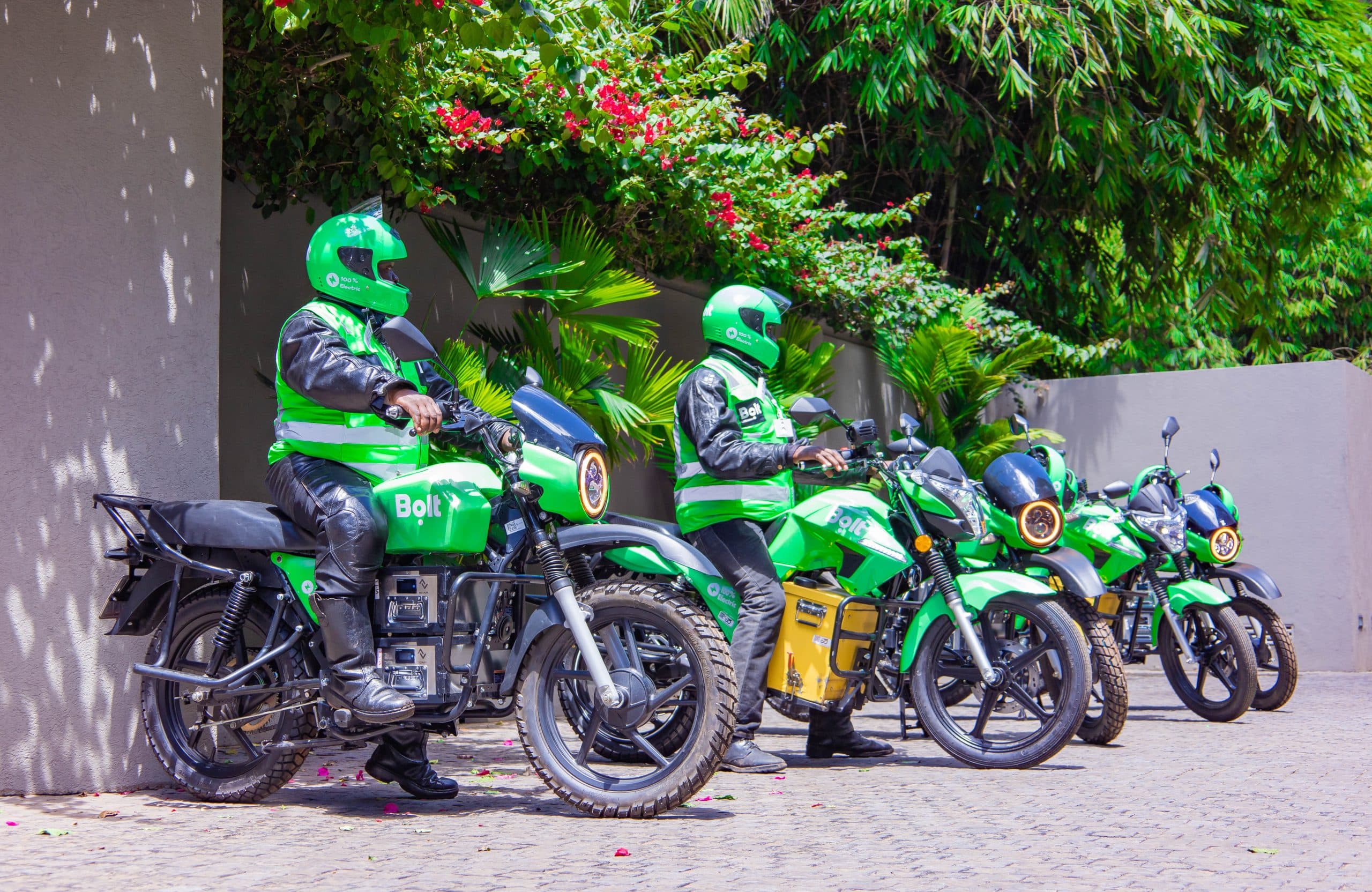
The familiar roar of the Nairobi boda boda—that aggressive, petrol-fueled growl that signals a weave through gridlock—is being quietly replaced by a hum. On Monday, Bolt confirmed what many commuters have anecdotally noticed: the tipping point has arrived. The ride-hailing firm announced that 40 percent of its motorbike fleet in Kenya is now electric, a figure that signals the end of the experimental phase and the beginning of mass adoption.
This is not just a corporate milestone; it is a fundamental shift in the economics of Nairobi’s streets. For years, the transition to electric mobility (e-mobility) was dismissed by skeptics as a donor-funded fantasy. Bolt’s data, backed by 4.8 million electric trips in the last year alone, suggests otherwise. The revolution is here, and it is being driven by the most powerful incentive of all: the rider’s wallet.
To understand why this shift is accelerating, you have to look at the ledger of the average rider. In an economy where fuel prices remain volatile, the petrol engine has become a liability. Bolt’s data indicates that riders switching to electric bikes are seeing a 40 percent reduction in total ownership costs.
Let’s break that down into Kenya Shillings. A typical petrol boda rider spends between KES 700 and KES 800 daily on fuel. In contrast, swapping a battery or charging an electric bike costs approximately KES 300 for the same range. That difference—roughly KES 500 a day—is not negligible. In Nairobi’s informal economy, that is the difference between breaking even and putting food on the table for two days, or covering a week’s rent in an informal settlement.
“The shift to electric bikes offers riders daily cost savings compared to petrol motorbikes,” noted Dimmy Kanyankole, Bolt’s Senior General Manager for East Africa. But the impact goes beyond fuel. With no oil changes, spark plugs, or complex combustion engines to service, maintenance costs have plummeted by nearly 75 percent.
The hurdle has never been the desire to switch; it has been the upfront cost. An electric motorcycle is an expensive asset for a rider earning daily wages. Bolt’s strategy hinged on removing this barrier through a triangulation of partnerships. By linking riders with M-KOPA for asset financing and vehicle partners like Roam and Ampersand, they created a 'pay-as-you-go' model that mirrors how many Kenyans already buy phones or solar kits.
The results are tangible:
“Our partnership with Bolt is proving that when financing barriers are removed, riders are eager to adopt cleaner and cheaper electric alternatives,” said Nena Sanderson, Managing Director at M-KOPA Mobility. The model works because it aligns the repayment schedule with the rider's daily cash flow, turning a capital expenditure into an operational one.
This milestone feeds directly into Kenya’s National E-mobility Policy, which aims to position the country as a regional hub for green tech. While the government has offered tax incentives, it is the private sector’s aggressive rollout of infrastructure—battery swapping stations and local assembly lines—that is moving the needle.
However, the road ahead is not entirely smooth. As the fleet expands towards a projected target of over 5,000 units in the coming years, infrastructure must keep pace. Nairobi’s charging network is growing, but a 40 percent fleet share puts immense pressure on existing swapping stations during peak hours. The challenge for 2026 will not be convincing riders to switch, but ensuring they can power up without delays.
For now, the momentum is undeniable. Kanyankole summed up the mood with a forward-looking assertion: “Kenya is at the forefront of clean mobility in Africa... we are demonstrating that sustainability and improved rider livelihoods can go hand in hand.”
Keep the conversation in one place—threads here stay linked to the story and in the forums.
Sign in to start a discussion
Start a conversation about this story and keep it linked here.
Other hot threads
E-sports and Gaming Community in Kenya
Active 9 months ago
The Role of Technology in Modern Agriculture (AgriTech)
Active 9 months ago
Popular Recreational Activities Across Counties
Active 9 months ago
Investing in Youth Sports Development Programs
Active 9 months ago



