We're loading the full news article for you. This includes the article content, images, author information, and related articles.
As economic hardship bites, a shadow industry thrives on the outskirts of Beijing, turning rare avian beauty into a black-market commodity worth thousands of shillings.
Silva Gu’s eyes scour the pre-dawn gloom, hunting for the hunters in the tall grass bordering Beijing’s sleeping metropolis. He speaks in a register lower than a whisper, his breath misting in the cold air as he signals for silence. Behind us, the capital’s skyline is a jagged silhouette, but here in the fields, the only sound is the rhythmic thrum of our own pulses.
This is the front line of a silent war where economic desperation meets ecological plunder. As the first light of dawn bleeds into the sky, the crunch of footsteps betrays the arrival of the poachers. They are here to harvest nature’s chorus for the highest bidder.
Gu, a slim and stealthy activist, moves with the practiced ease of a predator tracking prey. We follow him through a copse of trees into a small clearing, where the trap becomes visible only when it is inches from our faces. It is a mist net—nearly invisible to the human eye and inescapable for the avian victims that fly into it.
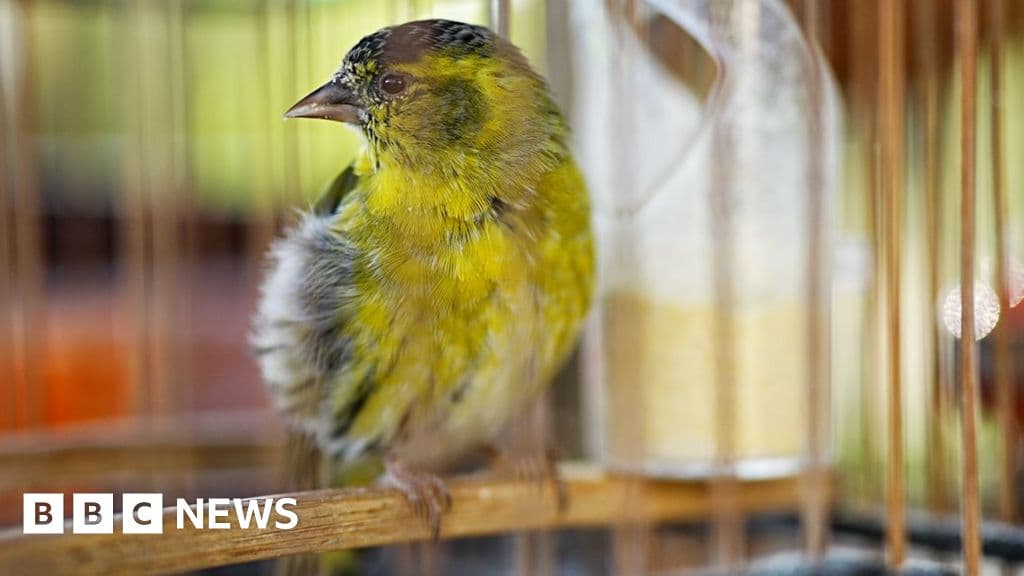
Conservationists warn that tens of thousands of birds are ensnared in these nets across China annually. The driving force is a potent mix of tradition and modern economic anxiety. The birds are destined for the pet trade or, in some cases, the dinner table.
Following the pandemic and a crushing property crisis, China’s economic engine has sputtered. For many struggling on the margins, the black market offers a lifeline. Catching songbirds is a low-cost, low-risk enterprise with high returns.
While the setting is Beijing, the narrative is strikingly familiar to observers in East Africa. Just as Kenyan rangers battle bushmeat poaching driven by poverty, Chinese activists like Gu are fighting a trade fueled by a lack of economic alternatives. The commodification of wildlife knows no borders.
The net we found was empty this time, but the threat remains omnipresent. As Gu dismantled the trap, the sun finally broke the horizon, illuminating a landscape that is beautiful, fragile, and under siege. "We stop them today," Gu noted, his eyes already scanning for the next trap. "But as long as there is a buyer, they will return tomorrow."
Keep the conversation in one place—threads here stay linked to the story and in the forums.
Sign in to start a discussion
Start a conversation about this story and keep it linked here.
Other hot threads
E-sports and Gaming Community in Kenya
Active 9 months ago
The Role of Technology in Modern Agriculture (AgriTech)
Active 9 months ago
Popular Recreational Activities Across Counties
Active 9 months ago
Investing in Youth Sports Development Programs
Active 9 months ago