We're loading the full news article for you. This includes the article content, images, author information, and related articles.
The ruling will either reinstate Sifuna or validate ODM's position that the matter remains an internal party process.

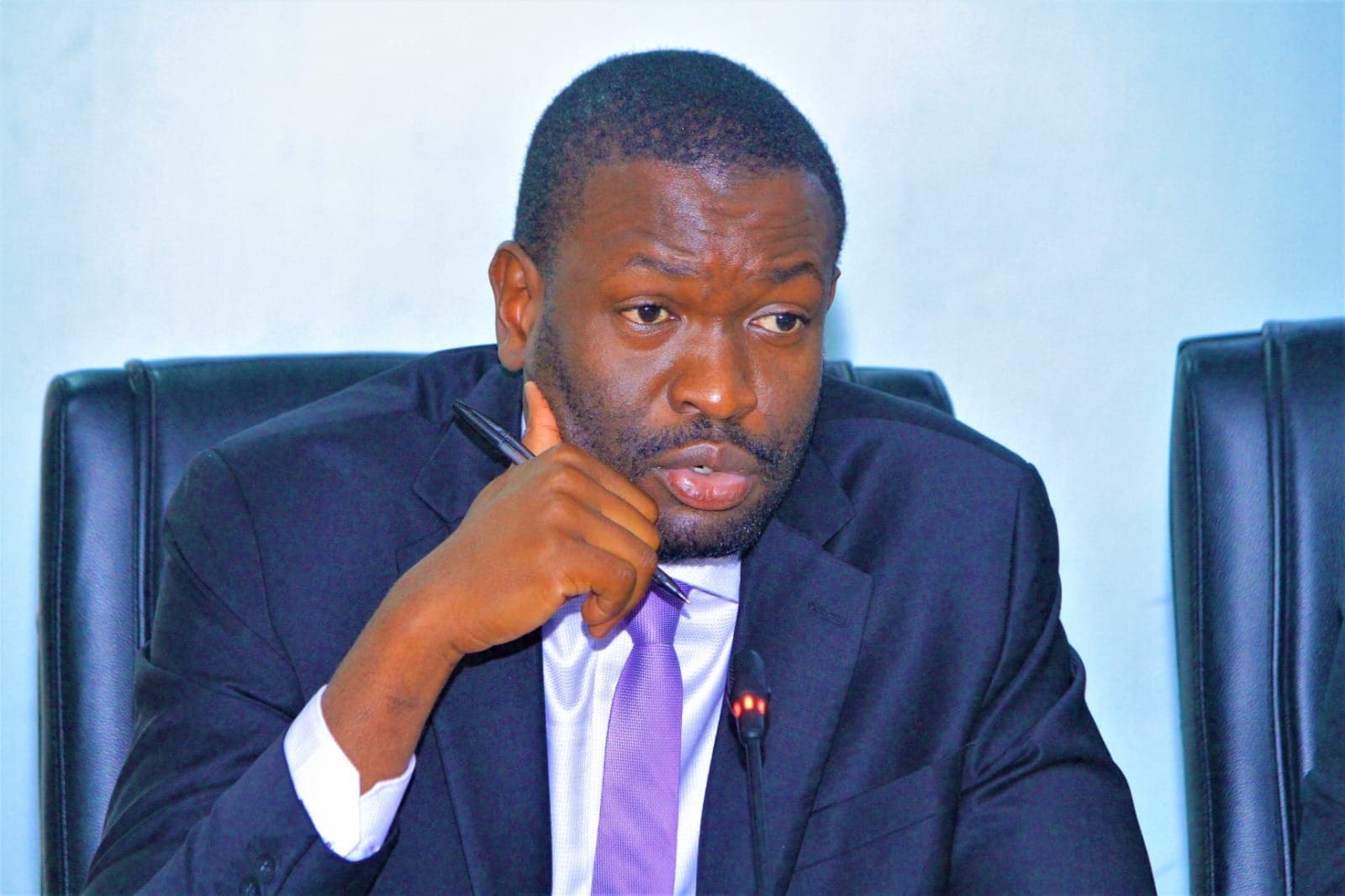
The political future of Edwin Sifuna, the Secretary General of the Orange Democratic Movement, hangs in a precarious legal balance this week as the party navigates a critical junction ahead of its scheduled national meeting. A looming decision from the Political Parties Disputes Tribunal is set to determine whether the firebrand strategist remains at the helm of the opposition outfit or if his tenure will be curtailed by internal legal challenges.
This is not merely a procedural matter regarding a single party official it serves as a litmus test for the integrity of internal party democracy within Kenya’s complex political ecosystem. At stake is the operational continuity of one of the country’s most influential political machines, currently preparing for a demanding electoral cycle that will dictate the shape of the national legislative and executive agenda for years to come. With thousands of delegates expected to congregate, the decision effectively forces a choice between judicial intervention and the principle of party autonomy.
The dispute centers on the interpretation of party bylaws and the legitimacy of recent leadership appointments, which critics argue were conducted in violation of the party’s own constitutional framework. The case has wound its way through the corridors of the Political Parties Disputes Tribunal, an institution frequently called upon to referee the often-volatile conflicts that emerge when internal party competition outpaces constitutional adherence.
Legal analysts following the case emphasize that the outcome will establish a durable precedent. Should the tribunal move to vacate Sifuna’s position, it would signal a profound shift in the power dynamics of the Orange Democratic Movement, potentially necessitating an emergency overhaul of the national secretariat. Conversely, a ruling in his favor would validate the current leadership’s assertion that internal party grievances must remain within the purview of party organs, rather than the courtroom.
The tension surrounding the Secretary General’s office reflects a recurring theme in Kenyan politics: the friction between centralized party control and the demands of grassroots members for democratic participation. Throughout the country’s multi-party era, major political entities have frequently grappled with similar succession crises, often leading to splinter factions and weakened electoral performance.
Historically, parties that successfully navigate these internal disputes without fracturing have tended to maintain a stronger foothold in Parliament. Those that do not often see their influence diluted by the departure of disgruntled key figures. Political science research from the University of Nairobi suggests that the stability of the Secretary General’s office is often directly correlated with the party’s ability to conduct efficient and peaceful nomination exercises. When that office is in flux, the entire administrative architecture of the party—from membership registration to campaign financing—can grind to a halt.
Internationally, this mirrors challenges seen in consolidated democracies where party leadership battles are increasingly fought in the public eye. However, in the Kenyan context, the speed at which these battles can derail national political agendas is significantly higher, given the highly personalized nature of party loyalty and the intensity of the competition for parliamentary seats.
For the average party supporter in Nairobi and across the counties, the uncertainty is a source of frustration. Regional delegates, who have spent the last quarter mobilizing members for upcoming party activities, are increasingly anxious about the potential for a leadership vacuum. A party official speaking on condition of anonymity noted that while the legal process is necessary, the timing—so close to a major national summit—is suboptimal.
The rank and file are waiting to see if the party will emerge from this meeting with a renewed sense of purpose or if the divisions highlighted by the court case will fester. If the ruling necessitates new elections or the appointment of an interim secretary, the party must move with unprecedented speed to prevent a loss of momentum. The ability of the Orange Democratic Movement to project stability will likely influence the perception of the opposition alliance by the electorate.
As the nation looks toward the next major political cycle, the resolution of this conflict will likely be studied as a case study in institutional resilience. Whether the party reinforces its current leadership structure or chooses a path of internal renewal, the decision in this case will be the first major political domino to fall in a year characterized by high-stakes maneuvering.
The eyes of political observers are now fixed on the tribunal. As the deadline for the party meeting approaches, the air of uncertainty is palpable, underscoring that in the high-pressure world of national politics, one judicial gavel can shift the trajectory of an entire movement.
Keep the conversation in one place—threads here stay linked to the story and in the forums.
Sign in to start a discussion
Start a conversation about this story and keep it linked here.
Other hot threads
E-sports and Gaming Community in Kenya
Active 10 months ago
The Role of Technology in Modern Agriculture (AgriTech)
Active 10 months ago
Popular Recreational Activities Across Counties
Active 10 months ago
Investing in Youth Sports Development Programs
Active 10 months ago
Key figures and persons of interest featured in this article