We're loading the full news article for you. This includes the article content, images, author information, and related articles.
A monumental Sh41.9 billion initiative to transform the historic Bomas of Kenya into a state-of-the-art international convention centre has been heavily censured by the Auditor-General over blatant procurement violations and unbudgeted expenditures.
A monumental Sh41.9 billion initiative to transform the historic Bomas of Kenya into a state-of-the-art international convention centre has been heavily censured by the Auditor-General over blatant procurement violations and unbudgeted expenditures.
The ambitious vision to elevate Nairobi's cultural heartbeat into a globally competitive mega-facility has stumbled into a massive administrative storm, drawing the fierce scrutiny of Kenya's Auditor-General, Nancy Gathungu.
This financial quagmire threatens to derail a flagship project intended to rival Kigali and South Africa in the lucrative conference tourism market. It exposes systemic flaws in how multi-billion-shilling public projects are initiated, risking colossal penalties that the Kenyan taxpayer will inevitably bear if the legal breaches result in protracted litigation or delayed payments to contractors.
The renovation works, intended to upgrade the beloved cultural facility into the sprawling 11,000-seater Bomas International Convention Centre (BICC), are currently being executed by the Kenya Defence Forces (KDF). However, the Auditor-General's latest report, presented to Parliament concerning the Ministry of Defence's audited accounts, paints a grim picture of the project's genesis. Gathungu explicitly stated that the procurement process for the Sh41.9 billion (approx. $280 million) project was conducted illegally and irregularly.
The audit places Principal Secretary Patrick Mariru in a precarious position. The report documents that PS Mariru approved the request for authority for direct procurement on February 17, 2025. Crucially, this approval came days after the procurement proceedings had already commenced, as evidenced by tender invitation documents and site visit certificates dated February 13 and 14, 2025. This retrospective approval is a glaring violation of the Public Procurement and Asset Disposal Act of 2015.
"In the circumstances, the Management was in breach of the law and the government is likely to incur penalties and charges where there is a delay in making payments," the audit report bluntly states, highlighting the severe financial risks of these administrative shortcuts.
Beyond the procurement irregularities, the Auditor-General uncovered an even more alarming fiscal anomaly: the massive renovations were entirely unbudgeted. Committing public funds to a multi-billion-shilling infrastructure project without the explicit authorization and appropriation by the National Assembly directly contravenes the Public Finance Management (PFM) Act. This exposes the accounting officers to potential sanctions for the abuse of public funds.
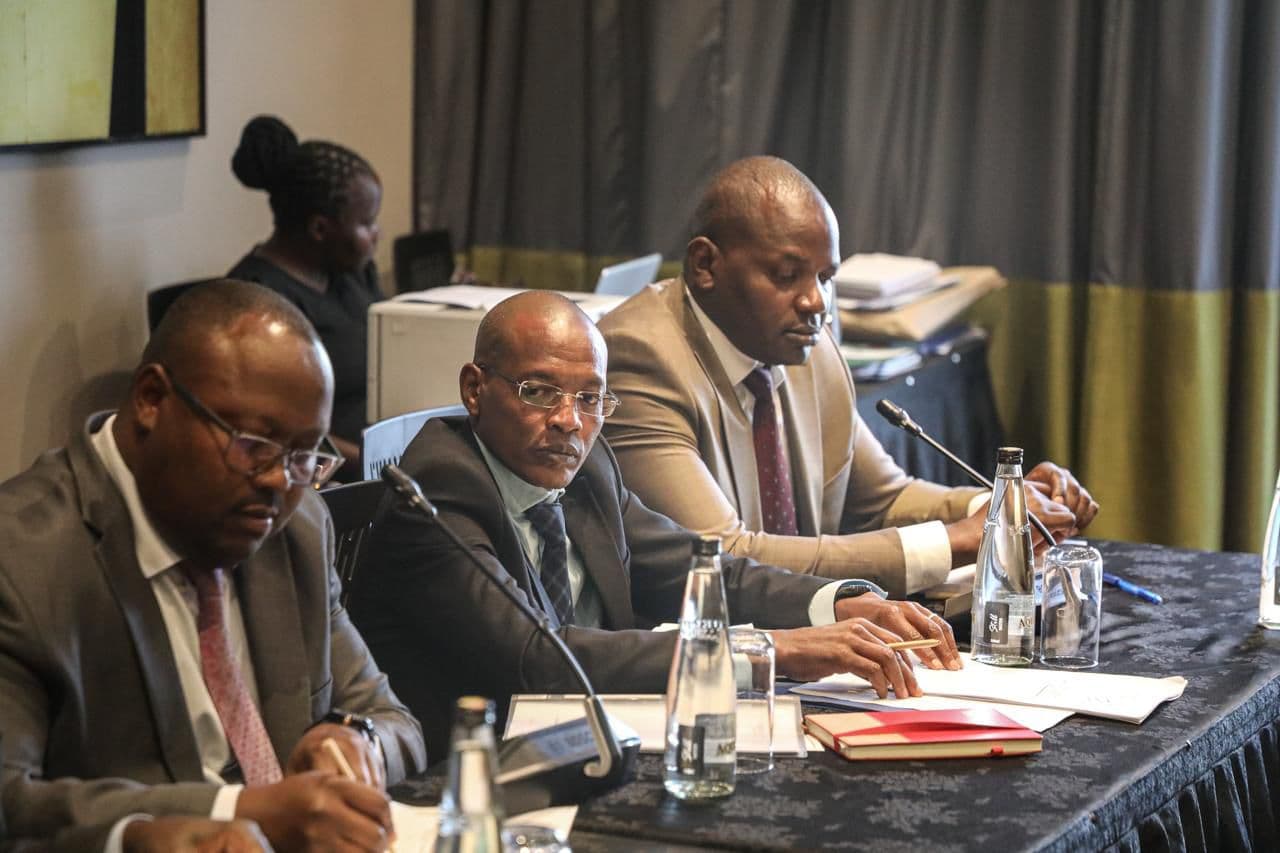
The lack of transparency has also triggered alarm bells within the legislature. The Public Investments Committee on Social Services, Administration and Agriculture (PIC-SSAA), chaired by Navakholo MP Emmanuel Wangwe, recently directed the management of Bomas of Kenya to provide full disclosure. The committee expressed deep frustration over the opacity surrounding the KDF's contracting terms and the actual scope of the works.
Lawmakers, including Wajir Woman Representative Fatuma Jehow and Ndhiwa MP Martin Owino, have demanded immediate explanations, citing widespread public rumors that the facility had been "mortgaged" or placed under foreign control. Bomas CEO Nixon Serede was forced to clarify that the KDF is leading the renovations, fully funded by the National Treasury, aimed at concluding by June 2026 ahead of the French-Africa Summit.
The Bomas controversy is symptomatic of a broader malaise afflicting donor-funded and mega-infrastructure projects across Kenya, where the rush to break ground often eclipses statutory compliance.
As the walls go up around the Bomas construction site, the foundational legality of the project remains deeply fractured. The government must move swiftly to regularize the expenditures or face the wrath of parliamentary watchdogs.
"We cannot defend the project if we lack the necessary details; it may be a worthy initiative, but without clear records, we cannot support it," Chairman Wangwe warned.
Keep the conversation in one place—threads here stay linked to the story and in the forums.
Sign in to start a discussion
Start a conversation about this story and keep it linked here.
Other hot threads
E-sports and Gaming Community in Kenya
Active 9 months ago
The Role of Technology in Modern Agriculture (AgriTech)
Active 9 months ago
Popular Recreational Activities Across Counties
Active 9 months ago
Investing in Youth Sports Development Programs
Active 9 months ago



