We're loading the full news article for you. This includes the article content, images, author information, and related articles.
Kiambu Governor accused of holding Sh20 billion in projects hostage, demanding developers cede 30% of their land for 'public use'—a move the courts have now halted.
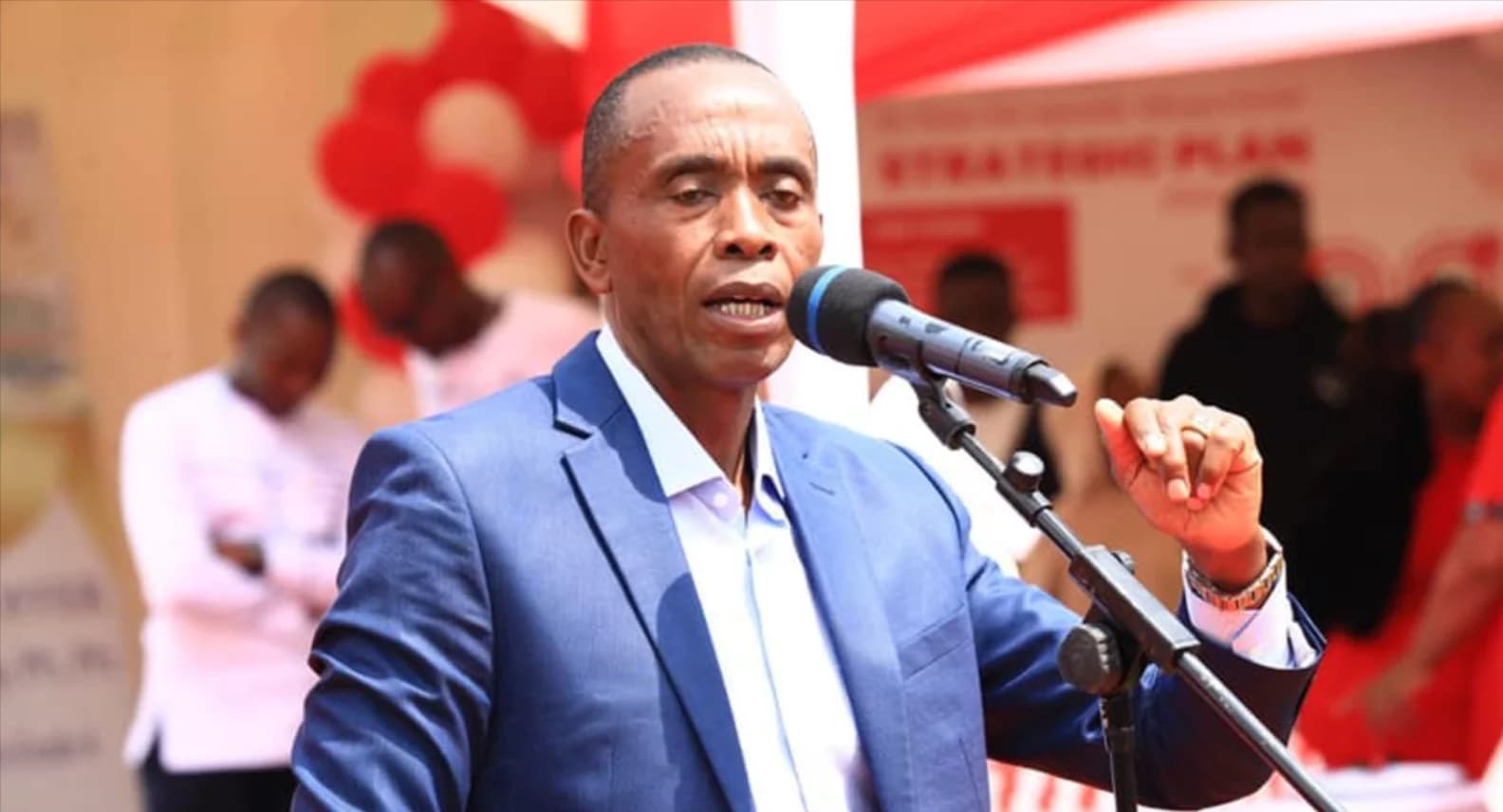
The bulldozers are silent, the blueprints are gathering dust, and a staggering Sh20 billion (approx. USD 153 million) in real estate capital is currently frozen in Kiambu County. At the heart of this paralysis is a high-stakes standoff between Governor Kimani Wamatangi and the country’s most powerful land barons, a row that has now spilled into the corridors of the Thika Environment and Land Court.
For the average Kenyan looking for affordable housing or a plot to build on, this is not just a boardroom squabble. It is a battle that could fundamentally alter the cost of owning a home in the Nairobi Metro area.
The conflict centers on a controversial directive allegedly issued by the Kiambu County government. According to the Real Estate Stakeholders Association (RESA), Governor Wamatangi’s administration has effectively stopped approving development projects unless investors agree to surrender between 20 and 30 per cent of their land to the county for free.
The Governor’s office frames this as a necessary enforcement of the Physical and Land Use Planning Act of 2019, arguing that developers must provide space for public amenities like schools, hospitals, and playgrounds. “I went to Tatu City and met investors who have been building for 14 years... but the law says if you acquire land for development, you must set aside a portion for public purposes, which they have never done,” Wamatangi asserted.
However, developers see it differently. They describe the demand as an illegal "tax" that amounts to state-sanctioned extortion. RESA argues that forcing them to cede nearly a third of their private property without compensation is unconstitutional and punitive.
This is not the first time Wamatangi has locked horns with big money. The current impasse mirrors a high-profile dispute from July last year involving Tatu City, the massive mixed-use development that has become the jewel of Kiambu’s investment crown.
Critics warn that this aggressive regulatory stance is creating a hostile environment for investors. If developers are forced to lose 30 per cent of their sellable land, the cost of the remaining plots will inevitably skyrocket to cover the loss, passing the burden directly to the mwananchi buyer.
Sensing an existential threat to their business model, RESA moved to court last week, seeking protection from what they termed "unlawful deprivation." The Environment and Land Court in Thika has since issued an interim conservatory order, temporarily restraining Kiambu County from implementing the new land surrender requirements or the Draft Kiambu County Spatial Plan.
This legal ceasefire allows developers to breathe, but only until January 21, 2026, when the inter partes hearing is scheduled. Until then, the fate of dozens of housing projects—and the thousands of construction jobs they support—remains in limbo.
For now, the message from the private sector is clear: they are willing to build the future of Kiambu, but they refuse to pay a ransom for the privilege.
Keep the conversation in one place—threads here stay linked to the story and in the forums.
Sign in to start a discussion
Start a conversation about this story and keep it linked here.
Other hot threads
E-sports and Gaming Community in Kenya
Active 9 months ago
The Role of Technology in Modern Agriculture (AgriTech)
Active 9 months ago
Popular Recreational Activities Across Counties
Active 9 months ago
Investing in Youth Sports Development Programs
Active 9 months ago



