We're loading the full news article for you. This includes the article content, images, author information, and related articles.
Ambitious infrastructure blueprint aims to decongest the Northern Corridor and revolutionize regional trade logistics with high-speed dual carriageways.
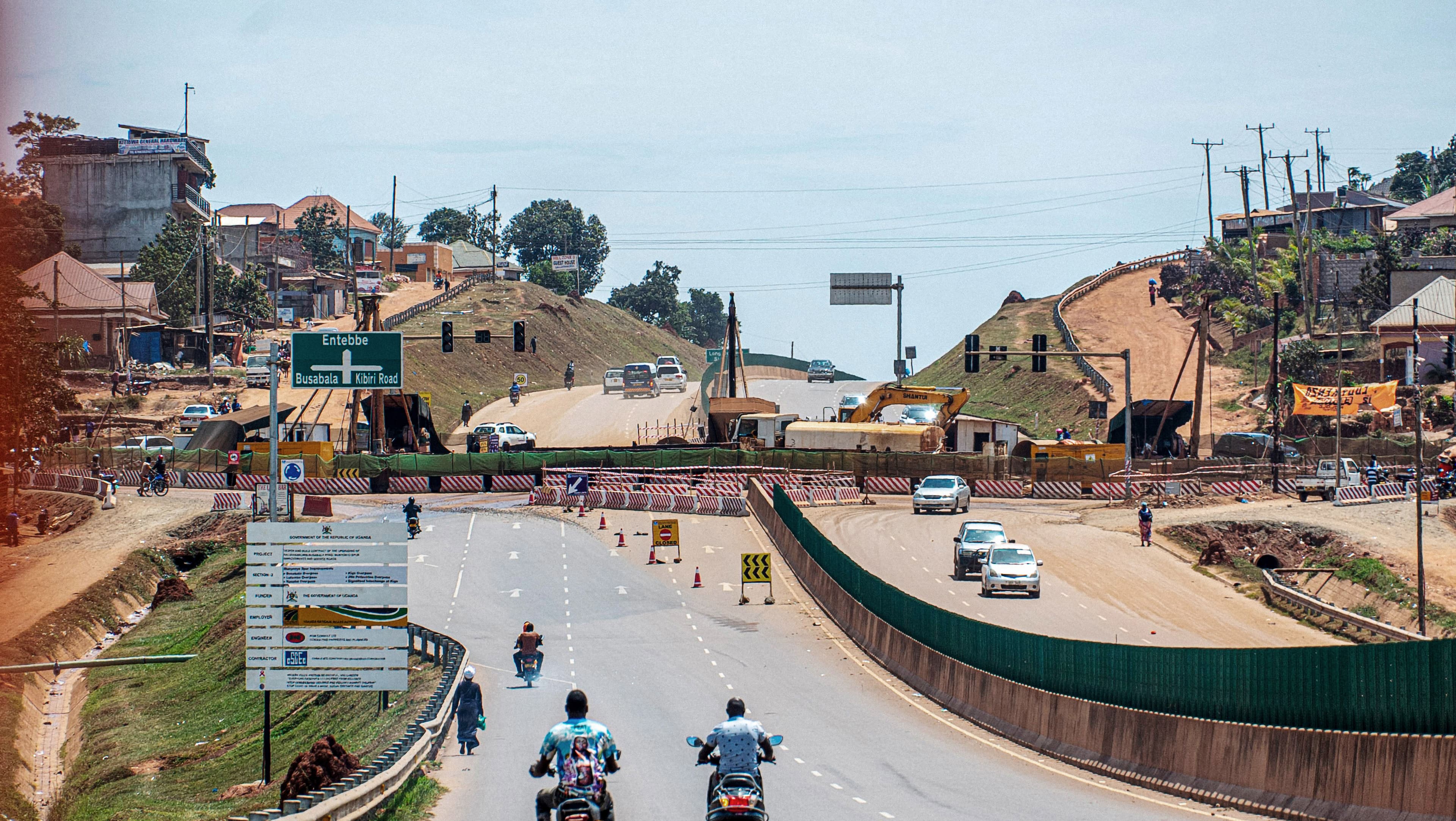
A transformative infrastructure masterplan is finally taking concrete shape as Kenya and Uganda commit to constructing two high-speed expressways to decongest the choked Northern Corridor.
This project is not merely about asphalt and concrete; it is an economic artery designed to save the region's logistics sector from total cardiac arrest. For decades, the road from Mombasa to Malaba has been a graveyard of time and capital, with trucks stuck in days-long snarl-ups. The proposed dual carriageways represent a desperate but necessary bid to slash transit times, cut the cost of doing business, and secure Kenya's position as the preferred gateway to the Great Lakes region against rising competition from Tanzania.
The ambitious plan involves the construction of two distinct expressway routes. The first will trace the traditional trade route, expanding the existing highway into a modern dual carriageway capable of handling heavy commercial traffic at speed. The second route is a greenfield project, designed to open up new economic zones and provide a strategic redundancy in the network. The estimated cost of Sh200 billion highlights the scale of the undertaking, which will likely rely on a Public-Private Partnership (PPP) model similar to the Nairobi Expressway.
Engineering teams from both nations have already begun feasibility studies, mapping out the corridors that will cut through the Rift Valley and Western Kenya. The design prioritizes seamless border crossings, with one-stop border posts integrated directly into the highway infrastructure to eliminate the bureaucratic bottlenecks that currently strangle trade at Malaba and Busia.
The elephant in the room remains the financing. With Kenya's debt ceiling already flashing red, the government is looking to tolling models to fund the construction. This means that while the road will be faster, it will come at a premium for users. The success of the Nairobi Expressway has emboldened policymakers to view toll roads as a viable solution to the infrastructure funding gap. However, convincing transporters to pay for what they believe should be a public good will require a delicate balancing act of pricing and value proposition.
Furthermore, the project faces significant hurdles in land acquisition and environmental compliance. The proposed routes traverse some of Kenya's most fertile farmland and sensitive ecosystems. Negotiating compensation with landowners in the Rift Valley and Western Kenya has historically been a minefield of litigation and political grandstanding. The government must navigate these social complexities with the same rigor it applies to the engineering challenges.
If successful, these expressways will do more than just move trucks; they will integrate the economies of East Africa in a way that treaties and protocols never could. It is a gamble on the future of the region, and the stakes could not be higher.
Keep the conversation in one place—threads here stay linked to the story and in the forums.
Sign in to start a discussion
Start a conversation about this story and keep it linked here.
Other hot threads
E-sports and Gaming Community in Kenya
Active 9 months ago
The Role of Technology in Modern Agriculture (AgriTech)
Active 9 months ago
Popular Recreational Activities Across Counties
Active 9 months ago
Investing in Youth Sports Development Programs
Active 9 months ago