We're loading the full news article for you. This includes the article content, images, author information, and related articles.
Moroccan prosecutors seek up to two years in prison for 18 Senegalese football fans following pitch invasions and stadium damage during the AFCON final.
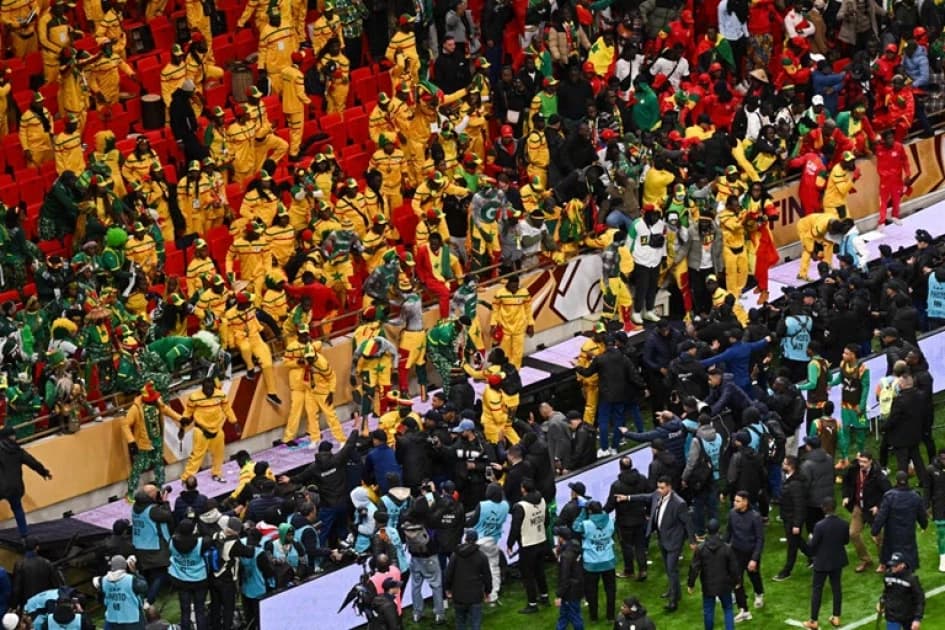
Moroccan prosecutors seek up to two years in prison for 18 Senegalese football fans following pitch invasions and stadium damage during the AFCON final.
The fallout from the heated Africa Cup of Nations final continues to reverberate, with 18 Senegalese supporters facing severe legal consequences in Rabat over allegations of hooliganism and stadium destruction.
What began as a celebration of African football has descended into a diplomatic and legal quagmire. The harsh sentences demanded by Moroccan authorities highlight a growing zero-tolerance policy towards football violence, a stark warning for fans across the continent, including Kenya, as nations prepare for future tournaments.
The highly charged Africa Cup of Nations (AFCON) final, which saw Senegal secure a dramatic 1-0 victory over host nation Morocco after extra time, was marred by chaotic scenes. During the closing moments of the match, escalating tensions culminated in a deeply controversial penalty awarded to Morocco. The resulting outrage saw Senegalese players briefly walk off the pitch, halting the game for nearly 20 minutes.
The fury extended into the stands, where disgruntled Senegalese supporters allegedly hurled projectiles, including stadium seating, onto the field. Moroccan prosecutors assert that the subsequent unrest caused severe material damage to the newly renovated sporting facility. The financial toll of the destruction is estimated at over 4 million Moroccan dirhams (approx. KES 52.8m).
Following the unrest, 18 Senegalese nationals and one French citizen were immediately detained and have remained in pre-trial custody since January 18. During a tense, five-hour hearing at the Court of First Instance in Rabat, prosecutors formally requested maximum prison sentences of up to two years. The charges brought against the defendants are extensive and severe.
The prosecution heavily relied on extensive surveillance footage captured from the stadium's security network, alongside comprehensive medical reports documenting various injuries sustained by security forces and stadium stewards during the violent clashes.
The defense team, forcefully backed by the Senegalese Football Federation, has vehemently denied the allegations. Defense lawyers argue that the surveillance footage fails to provide irrefutable, concrete proof linking their specific clients to the acts of assault or vandalism. They further contend that the accused are being unfairly scapegoated for a broader systemic failure in crowd control.
Lawyer Naima El Guellaf argued passionately that the supporters should not face double jeopardy, emphasizing that the Confederation of African Football (CAF) had already levied heavy financial sanctions against the Senegalese federation for the fans' unruly behavior. However, attorneys representing the injured security personnel countered that CAF's sporting fines do not absolve individuals of direct criminal liability.
The court ultimately handed down varying sentences, ranging from three to 12 months in prison, accompanied by substantial fines. Eleven defendants received the maximum one-year sentence. The verdict sparked immediate outrage among the defendants and their families, with reports of individuals fainting and refusing to return to holding cells.
As Morocco aggressively prepares to co-host the highly anticipated 2030 FIFA World Cup alongside Spain and Portugal, the nation is intensely eager to demonstrate its capacity to maintain absolute security at major international events. This stringent judicial response serves as a definitive message to football fans across Africa, including robust fanbases in East Africa, that stadium violence will be met with uncompromising legal force.
"We are witnessing a paradigm shift where passion can no longer be used as a shield for criminality in African football," warned an East African legal analyst monitoring the trial.
Keep the conversation in one place—threads here stay linked to the story and in the forums.
Sign in to start a discussion
Start a conversation about this story and keep it linked here.
Other hot threads
E-sports and Gaming Community in Kenya
Active 9 months ago
The Role of Technology in Modern Agriculture (AgriTech)
Active 9 months ago
Popular Recreational Activities Across Counties
Active 9 months ago
Investing in Youth Sports Development Programs
Active 9 months ago