We're loading the full news article for you. This includes the article content, images, author information, and related articles.
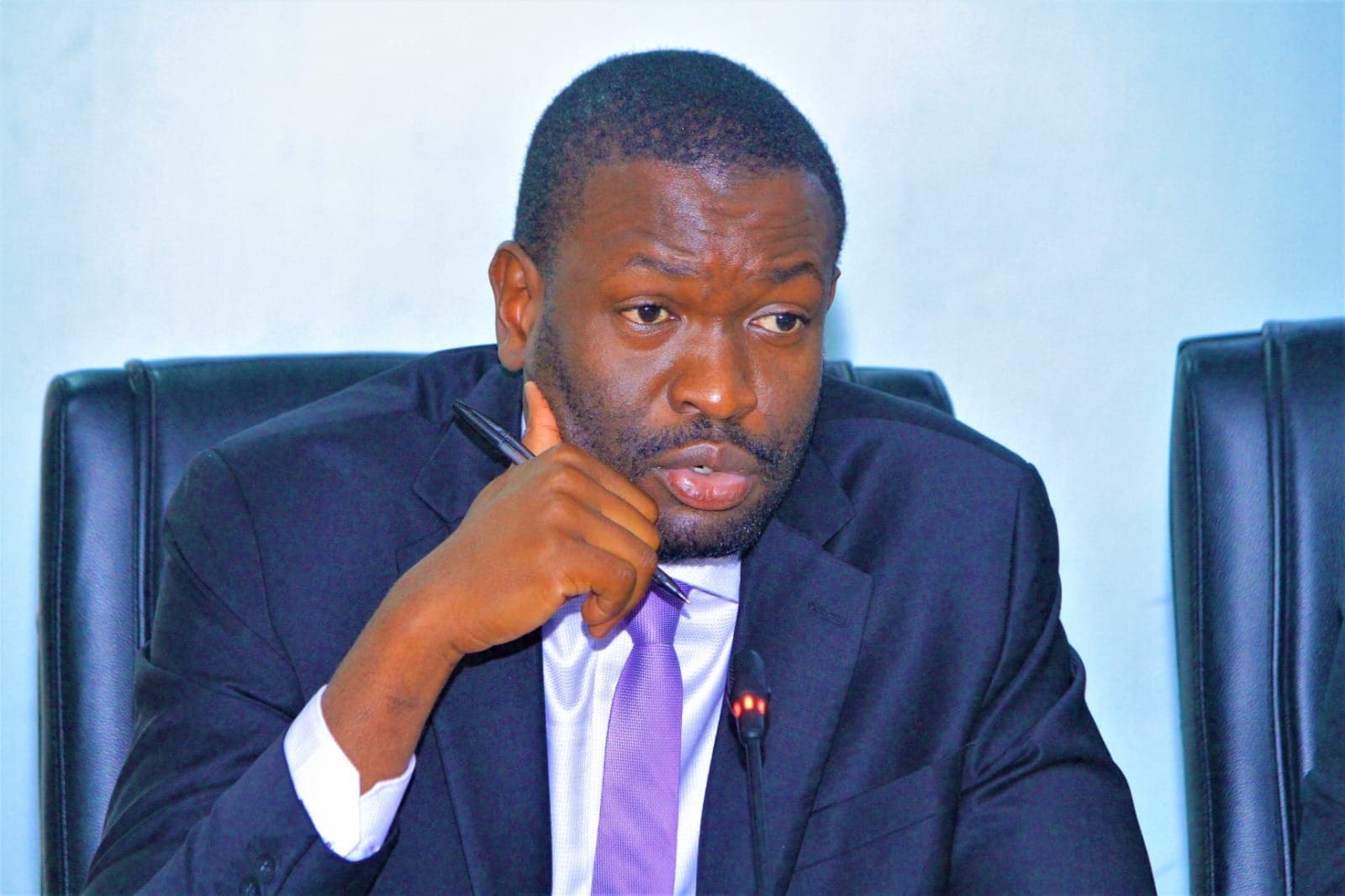
Murang’a Senator Joe Nyutu warns that ODM’s push for zoning risks fracturing the broader coalition ahead of 2027.
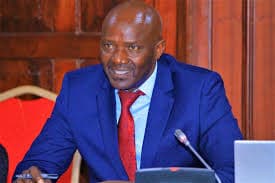
Murang’a Senator Joe Nyutu has issued a stark warning regarding the Orange Democratic Movement’s push for political zoning, cautioning that it risks fracturing the broader coalition ahead of the 2027 General Election.
Political realignments in Kenya are already taking shape, with the 2027 electoral battleground being drawn. The concept of political zoning, a strategy to ring-fence traditional strongholds, has become a flashpoint for internal coalition friction.
This development is critical because the stability of any major political alliance in Kenya dictates the country’s economic and legislative trajectory. If the ruling coalition splinters, it could lead to widespread political volatility and policy paralysis in the crucial years leading up to the polls.
Senator Nyutu’s concerns stem from the inherent tension between allied parties competing for the same electoral seats, particularly in cosmopolitan areas like Nairobi and the coastal regions. The Orange Democratic Movement (ODM) is advocating for a zoning arrangement to protect its core constituencies from encroachment by its partners, notably the United Democratic Alliance (UDA). However, Nyutu argues that this strategy is fraught with danger. During a recent television interview, he explicitly stated that while zoning aims to safeguard ODM's interests, it risks alienating coalition partners and creating deep-seated disunity.
The problem is most acute in urban centres where demographic diversity means multiple parties have viable candidates. When allied parties front competing candidates against a unified opposition, the resulting vote split invariably advantages the opponent.
To avert an electoral disaster, Nyutu has suggested looking back at historical precedents. He proposed that the coalition might need to adopt more formal structures, similar to the Jubilee Party model employed in the 2017 elections. In that scenario, allied parties were pressured to dissolve and form a single, unified political vehicle, followed by rigorous joint nominations.
If a full merger is politically unpalatable, the Murang'a Senator advocates for, at the very least, structured arrangements during by-elections to mitigate conflict. The underlying fear is that localized electoral skirmishes between UDA and ODM could erode the trust necessary to mount a formidable national campaign.
The debate over zoning is occurring against a backdrop of internal party turmoil. ODM Secretary General Edwin Sifuna has recently exposed what he described as shadowy negotiations and procedural shortcuts that characterized the initial ODM-UDA memorandum of understanding. Sifuna claims that key decisions were fast-tracked, sidelining crucial stakeholders and causing palpable frustration within the party's central committee.
As the deadline for reviewing the 10-point agenda approaches, the pressure is mounting on the coalition leadership to resolve these structural contradictions. The failure to do so could result in a spectacular collapse of the alliance well before the first ballot is cast.
"In the high-stakes game of Kenyan politics, a divided house is a defeated house; the coalition must find consensus or prepare for electoral irrelevance."
Keep the conversation in one place—threads here stay linked to the story and in the forums.
Sign in to start a discussion
Start a conversation about this story and keep it linked here.
Other hot threads
E-sports and Gaming Community in Kenya
Active 9 months ago
The Role of Technology in Modern Agriculture (AgriTech)
Active 9 months ago
Popular Recreational Activities Across Counties
Active 9 months ago
Investing in Youth Sports Development Programs
Active 9 months ago
Key figures and persons of interest featured in this article