We're loading the full news article for you. This includes the article content, images, author information, and related articles.
The Senate halts the Ministry of Education’s plan to merge ECDE and primary teacher training, citing violations of devolution laws and lack of consultation.
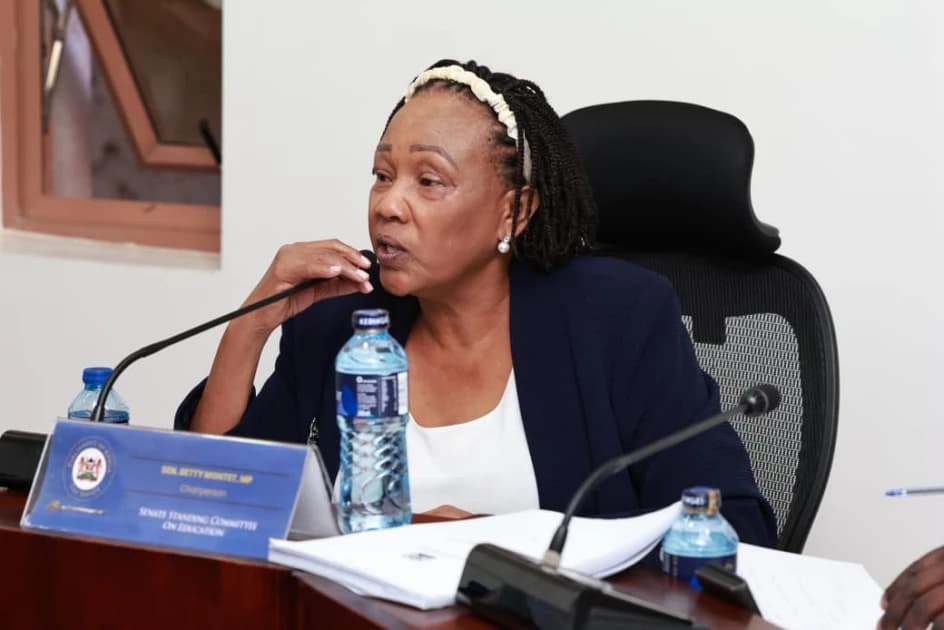
A major constitutional clash is brewing between the Senate and the Ministry of Education after lawmakers summarily rejected a plan to merge Early Childhood Development Education (ECDE) training with primary school teacher courses.
The Senate Education Committee has drawn a red line in the sand, terming the Ministry's directive "illegal" and a direct attack on devolution. The controversy centers on a circular that sought to collapse the Diploma in Early Childhood Teacher Education (DECTE) and the Diploma in Primary Teacher Education (DPTE) into a single qualification. Senators argue that since pre-primary education is a fully devolved function, the national government has no business unilaterally altering the training standards without county consent.
"This is not a minor administrative adjustment. It has real consequences for counties," warned Committee Chairperson Senator Betty Montet. The lawmakers accused the Ministry of imposing policy from Nairobi without public participation, effectively usurping the powers of the 47 county governments that employ ECDE teachers. The Council of Governors has also joined the fray, stating they were never consulted.
The Ministry argues that the merger is necessary to align teacher training with the Competency-Based Curriculum (CBC), ensuring a seamless transition for learners. However, experts and Senators fear the opposite: that merging the two distinct disciplines will dilute the quality of early years education. Senator Seki Lenku Ole Kanar warned that ECDE requires specialized skills—patience, child psychology, and play-based learning—that could be lost in a generalized primary school curriculum.
The human cost of this policy shift is already being felt. Hundreds of students and colleges operating under the old ECDE guidelines have been thrown into limbo, unsure if their qualifications will be recognized. The new merged diploma also raises the entry grade to a strict C (plain), locking out thousands of D+ students who previously found a vocation in ECDE teaching. "We are shutting the door on a generation of teachers," lamented a stakeholder.
The rejection by the Senate is more than an education policy dispute; it is a defense of the constitution. Senators view this as part of a creeping recentralization of power by the national executive. By controlling the training and certification, the Ministry effectively controls who the counties can hire, undermining the autonomy of the devolved units.
As the standoff continues, the real losers are the learners. A confused teacher training sector leads to instability in the classroom. The Senate’s firm stance sends a message that the foundation of the education system—the early years—cannot be treated as an afterthought in the rush to implement CBC. For now, the merger is on ice, and the counties have won a temporary victory in the fight to manage their own schools.
Keep the conversation in one place—threads here stay linked to the story and in the forums.
Sign in to start a discussion
Start a conversation about this story and keep it linked here.
Other hot threads
E-sports and Gaming Community in Kenya
Active 9 months ago
The Role of Technology in Modern Agriculture (AgriTech)
Active 9 months ago
Popular Recreational Activities Across Counties
Active 9 months ago
Investing in Youth Sports Development Programs
Active 9 months ago



