We're loading the full news article for you. This includes the article content, images, author information, and related articles.
A new study by Indian researchers simulates how the H5N1 virus could trigger a human pandemic, raising the stakes for Kenya’s public health surveillance and its multi-billion shilling poultry industry
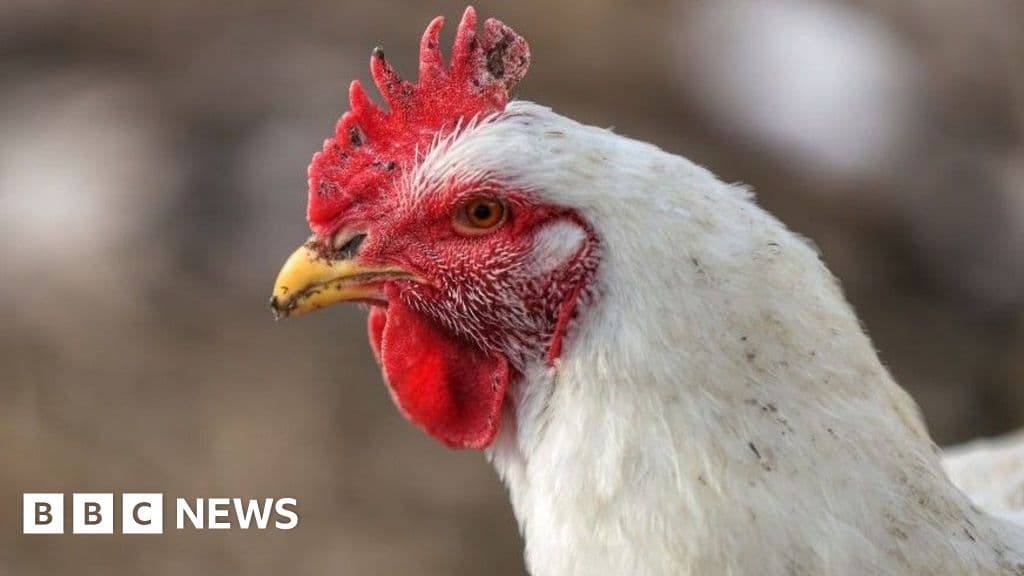
A chilling scientific model is providing the clearest picture yet of how the H5N1 bird flu virus could silently leap from animals to humans and ignite a global pandemic. The simulation, crafted by Indian researchers, acts as a critical early warning, mapping out a scenario that health officials in Kenya and around the world have long feared.
This is not a distant threat. The research, published in the peer-reviewed journal BMC Public Health, underscores the urgent need for nimble public health responses. It suggests a pandemic would begin quietly, likely with a single farmworker contracting the virus from poultry, before sustained human-to-human transmission takes hold.
The H5N1 virus has already demonstrated its lethal potential. From 2003 to August 2025, the World Health Organization (WHO) has recorded 990 human cases and 475 deaths globally—a staggering 48% fatality rate. The current global outbreak, which began in 2020, has seen the virus spread to every continent except Australia, infecting hundreds of millions of birds and an increasing number of mammals.
For Kenya, the stakes are immense. While no human cases have been reported locally, the nation's poultry sector, which is vital to the livelihoods of approximately 75% of rural households, is highly vulnerable. The industry, a cornerstone of the agricultural economy, is projected to produce nearly 150,000 metric tons of poultry meat by 2028. An outbreak could devastate this sector, jeopardizing food security and countless jobs.
Kenya is considered at high risk for the introduction of avian influenza due to its position along major migratory bird routes and its role as a regional transport hub. In the past, the government has responded to regional outbreaks, such as one in Sudan, by issuing alerts, banning poultry imports, and forming a national task force to prepare a contingency plan.
The new model from Ashoka University researchers Philip Cherian and Gautam Menon emphasizes that the window for intervention is perilously small. Their simulations show that if authorities can act when just two cases are detected, quarantining households of contacts could contain the spread. However, once an outbreak reaches ten cases, it is likely to escape initial containment efforts.
"The threat of an H5N1 pandemic in humans is a genuine one, but we can hope to forestall it through better surveillance and a more nimble public-health response," Professor Menon noted in a statement to the BBC.
Symptoms in humans often mirror severe flu, including high fever, cough, and muscle aches, though some infected individuals show no symptoms at all. While the immediate risk to the general public remains low, the virus's ability to infect mammals—from dairy cattle in the United States to wild animals—is a cause for serious concern among scientists.
This latest research is not a prophecy of doom, but a data-driven call to action. It provides a crucial roadmap for strengthening surveillance at the human-animal interface, particularly in high-density poultry farming regions, to ensure that the first spark of an outbreak does not become an uncontainable fire.
Keep the conversation in one place—threads here stay linked to the story and in the forums.
Sign in to start a discussion
Start a conversation about this story and keep it linked here.
Other hot threads
E-sports and Gaming Community in Kenya
Active 9 months ago
The Role of Technology in Modern Agriculture (AgriTech)
Active 9 months ago
Popular Recreational Activities Across Counties
Active 9 months ago
Investing in Youth Sports Development Programs
Active 9 months ago