We're loading the full news article for you. This includes the article content, images, author information, and related articles.
A quiet revolution is sweeping through Kenya's school transport sector as parents reject the cramping of learners into overloaded vans.
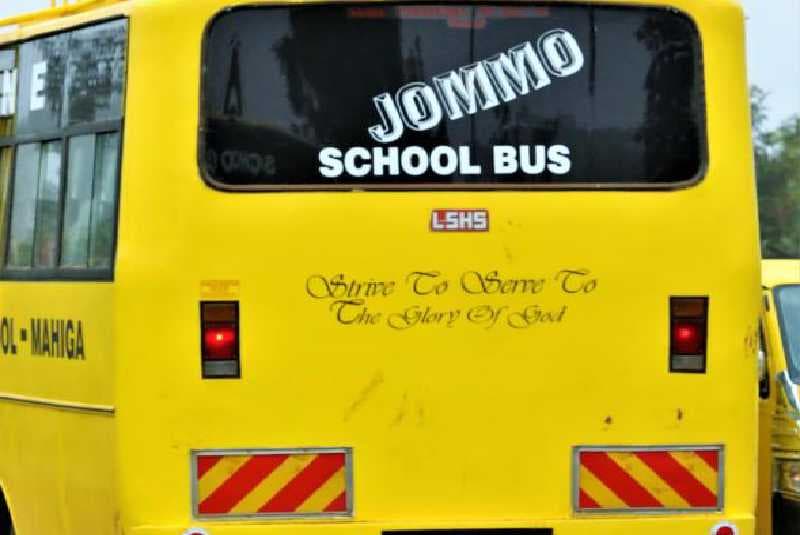
A quiet revolution is sweeping through Kenya's school transport sector as parents reject the cramping of learners into overloaded vans, demanding safety, efficiency, and tech-driven comfort in a market long defined by chaos.
The era of the "packed sardine" school run is facing an abrupt, market-driven extinction. Across Nairobi and major towns, a sharp shift in parental expectations is forcing transport providers to either modernize their fleets or face obsolescence.
This isn't just about comfort; it is a fundamental safety reckoning. For decades, the industry operated on a "maximize capacity" model, but the rise of safety-conscious parents and the looming enforcement of the Traffic (School Transport) Rules 2025 are dismantling the old guard. The "So What" is clear: the safety of the next generation is finally becoming a non-negotiable currency.
Ms. Mumbi Kariuki, Chief Trainer at the International Safety Training Centre, argues that the sector has been complacent for too long. "School buses are not like regular ones," she notes. "They carry the next generation of doctors, musicians, and leaders. They need extra attention."
This sentiment is echoed by parents like Lynet, a Nairobi mother of three, who has become a vocal critic of the status quo. "We are tired of our children being cramped into a few seats," she says. "It means seatbelts are not worn by all. Yet wearing seatbelts is a basic safety requirement."
Beyond safety, the logistics of the school run are under scrutiny. The traditional model, characterized by long, winding routes that keep children in transit for hours, is being challenged by data-driven route optimization.
The shift comes with a price tag. "It can be argued that buying more buses or vans would lead to parents being required to pay more," admits an industry insider. However, the market is proving that parents are willing to pay a premium for peace of mind. The demand for "assured comfort"—where every child has a designated seat and belt—is outstripping the demand for the cheapest option.
As the 2025 regulations loom, the industry is on notice: professionalize or perish. The days of cutting corners on the backs of school children are numbered.
"We are not just transporting students; we are securing the future. Any player who doesn't see that will simply cease to exist."
Keep the conversation in one place—threads here stay linked to the story and in the forums.
Sign in to start a discussion
Start a conversation about this story and keep it linked here.
Other hot threads
E-sports and Gaming Community in Kenya
Active 9 months ago
The Role of Technology in Modern Agriculture (AgriTech)
Active 9 months ago
Popular Recreational Activities Across Counties
Active 9 months ago
Investing in Youth Sports Development Programs
Active 9 months ago



