We're loading the full news article for you. This includes the article content, images, author information, and related articles.
**New figures reveal a stark geographical disparity in the distribution of top-tier public senior schools, turning the annual placement process into a high-stakes gamble for thousands of gifted students in underserved counties.**
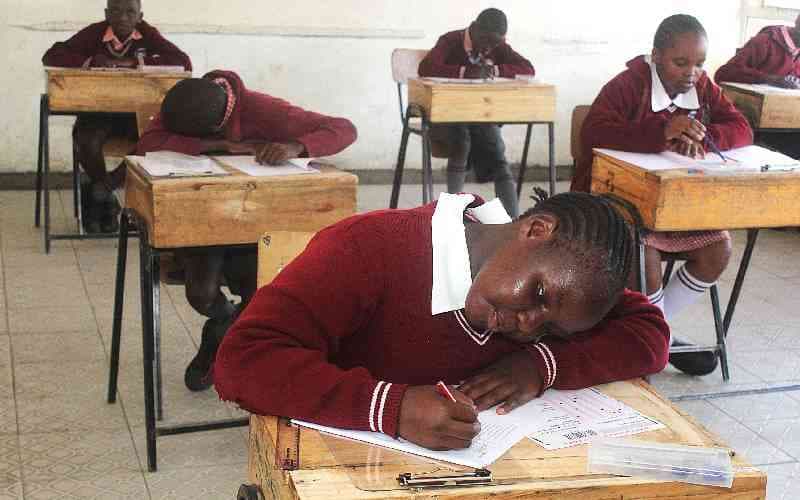
A child’s future in Kenya may now depend more on their home county than their report card. Freshly released Ministry of Education data has exposed a severe imbalance in the distribution of public senior schools, creating an uneven playing field for students transitioning to Grade 10.
This geographical lottery is the critical issue facing parents and educators as the first cohort under the Competency-Based Curriculum (CBC) prepares for senior school. The data confirms that access to the most sought-after national and extra-county schools is heavily skewed, leaving learners in entire regions with limited local options for quality education and threatening to entrench inequality for a generation.
The ministry's figures paint a dramatic picture of the disparity. While some regions like Central Kenya have 33 national schools, the entire North Eastern region has only six. The Eastern region, despite also having 33 national schools, contends with a staggering 1,560 sub-county institutions, vastly outnumbering its top-tier schools and limiting opportunities for its students. This forces families in underserved counties like Garissa, Samburu, and Tana River to either send their children far from home or settle for lower-resourced local schools.
The imbalance is starkly illustrated by the numbers:
In response to the glaring gaps, the government has emphasized that it is working to ensure fairness. Basic Education Principal Secretary, Prof. Julius Bitok, stated that the ministry has adopted the County Revenue Allocation (CRA) formula to distribute students equitably across the country. "This ensures that a child from Northern Kenya has the same opportunity as one from Western Kenya to join a school in Nairobi or elsewhere," Prof. Bitok noted.
The government is also reportedly securing budgetary allocations for infrastructure development and collaborating with partners like the World Bank to address the shortfalls. However, with over 1.2 million learners transitioning to senior school in January 2026, many public schools remain ill-equipped, lacking the laboratories and workshops essential for the new curriculum.
As the placement date of January 12, 2026, approaches, the anxiety among parents and students is palpable. For countless families, the promise of equitable education now rests on whether these systemic imbalances can be corrected, ensuring that a student's hard work, not their home address, determines their destiny.
Keep the conversation in one place—threads here stay linked to the story and in the forums.
Sign in to start a discussion
Start a conversation about this story and keep it linked here.
Other hot threads
E-sports and Gaming Community in Kenya
Active 9 months ago
The Role of Technology in Modern Agriculture (AgriTech)
Active 9 months ago
Popular Recreational Activities Across Counties
Active 9 months ago
Investing in Youth Sports Development Programs
Active 9 months ago



