We're loading the full news article for you. This includes the article content, images, author information, and related articles.
The veteran US Senator warns that unchecked automation could leave families destitute, challenging the motives of tech moguls in a debate with deep implications for Kenya’s digital economy.

US Senator Bernie Sanders has sounded a global alarm, branding artificial intelligence the “most consequential technology in the history of humanity” while warning it is being weaponized by the ultra-wealthy to consolidate power rather than uplift the working class.
Speaking on Sunday, the veteran lawmaker’s stark warning cuts through the technological hype, questioning how families will survive if algorithms replace human labor—a dilemma that looms large over Kenya, where the digital economy is a critical engine for youth employment.
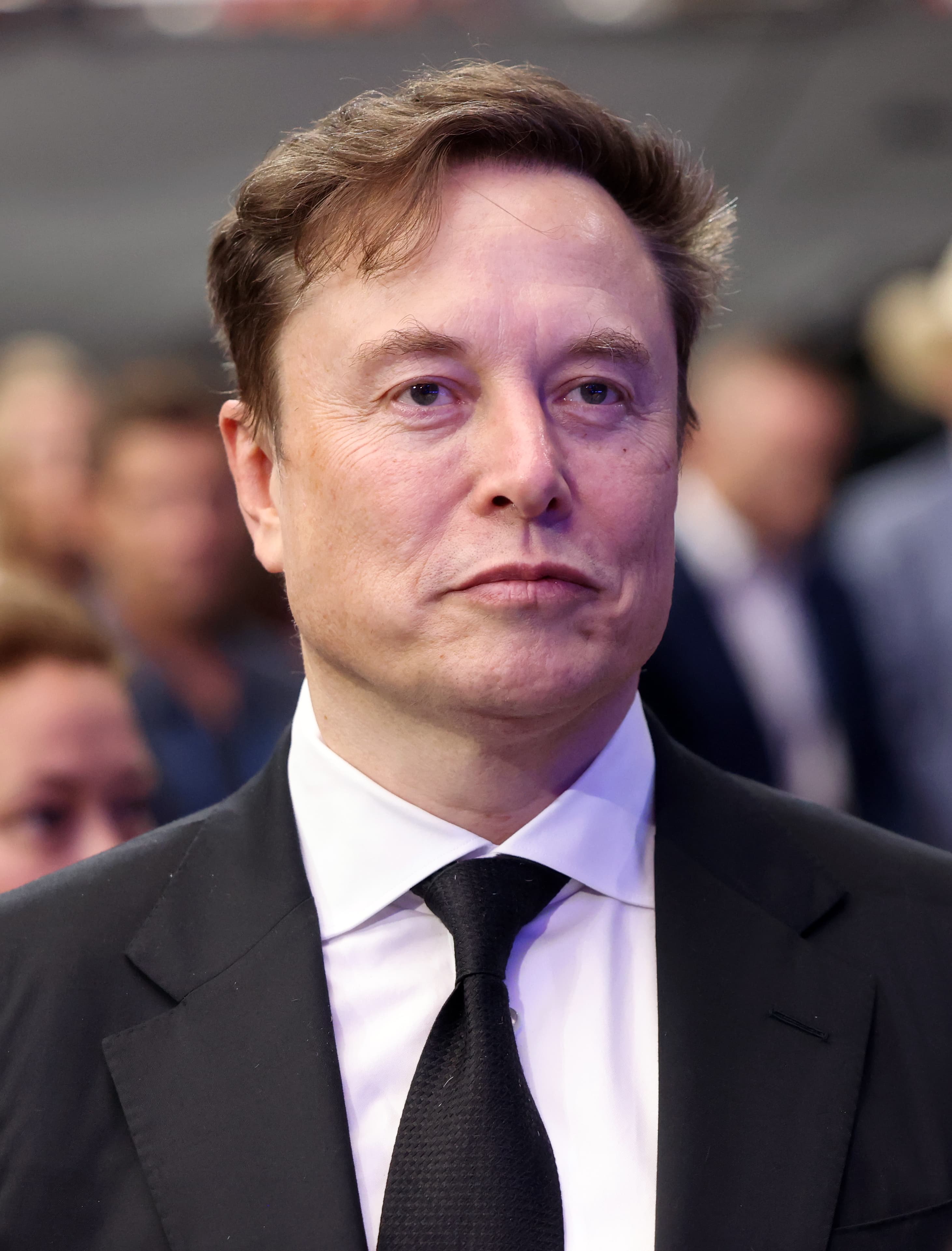
In a fiery appearance on CNN’s State of the Union, Sanders did not mince words regarding the motivations behind the rapid deployment of AI. He explicitly linked the technology's expansion to the financial ambitions of the world's wealthiest individuals, singling out tech titans Elon Musk, Mark Zuckerberg, Jeff Bezos, and Peter Thiel.
“You think they’re staying up nights worrying about working people and how this technology will impact those people?” Sanders asked. “They are not. They are doing it to get richer and even more powerful.”
The Senator’s concerns strike a chord in developing economies. As global tech giants race toward a market valuation projected to hit trillions of dollars (hundreds of trillions of Kenya Shillings), the question of who benefits remains contentious. Sanders argued that without serious legislative intervention, the economic displacement caused by AI could be catastrophic.
“If there are no jobs and humans won’t be needed for most things, how do people get an income to feed their families, to get healthcare or to pay the rent?” he noted, emphasizing that the US Congress—much like parliaments globally—has yet to have “one serious word of discussion” about this reality.
Beyond the economic fallout, Sanders highlighted a more insidious threat: the erosion of human connection. He pointed to emerging data suggesting a growing reliance on AI chatbots for emotional support, a trend that could fundamentally alter social fabrics.
“If this trend continues, what does it mean over the years when people are not getting their support, their interaction from other human beings, but from a machine?” Sanders queried. “What does that mean to humanity?”
This sentiment was echoed from across the aisle by Republican Senator Katie Britt. While Sanders focused on the economic and philosophical implications, Britt emphasized the immediate safety risks, proposing strict liability for AI companies that expose minors to harmful ideologies.
As the “Silicon Savannah” continues to position itself as a hub for African tech innovation, these warnings from Washington serve as a critical forecast. The debate is no longer just about code; it is about the future of work and the preservation of human dignity in an automated age.
Keep the conversation in one place—threads here stay linked to the story and in the forums.
Sign in to start a discussion
Start a conversation about this story and keep it linked here.
Other hot threads
E-sports and Gaming Community in Kenya
Active 9 months ago
The Role of Technology in Modern Agriculture (AgriTech)
Active 9 months ago
Popular Recreational Activities Across Counties
Active 9 months ago
Investing in Youth Sports Development Programs
Active 9 months ago
Key figures and persons of interest featured in this article