We're loading the full news article for you. This includes the article content, images, author information, and related articles.
Public opinion in Vihiga is sharply divided over the government's plan to sell 15% of Safaricom to Vodacom, pitting development needs against fears of losing a strategic national asset.
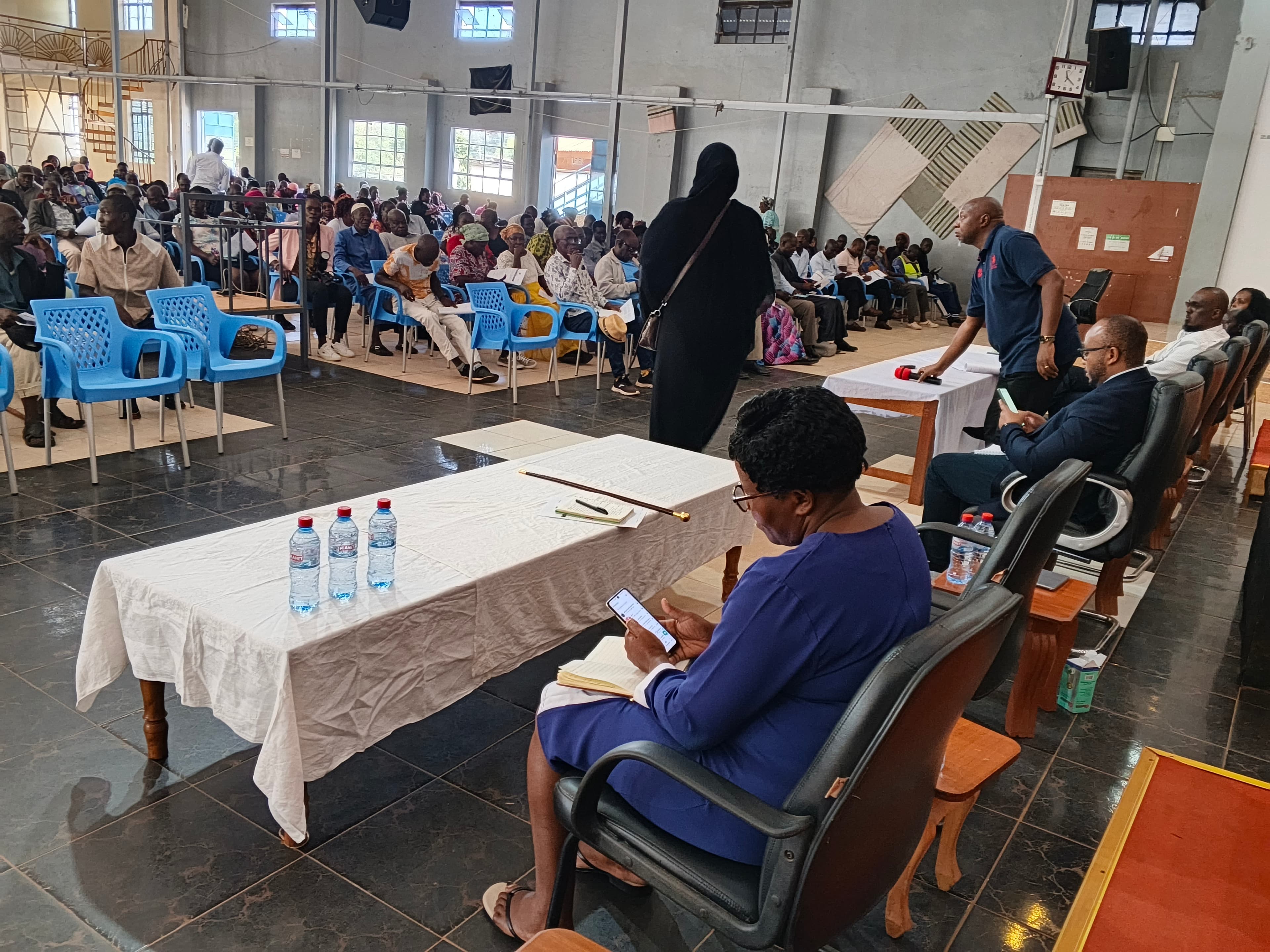
The government’s proposal to sell a 15% stake in Safaricom to Vodacom has ignited a firestorm in the villages. In Mbale, Vihiga County, a public participation forum turned into a heated referendum on the state’s economic strategy, revealing a nation deeply divided over the sale of its "family silver."
The proposition is high-stakes: raise a colossal Ksh 204 billion to plug the budget deficit and fund infrastructure, or hold onto the shares of the region's most profitable company. For the residents of Vihiga, the abstract billions were less important than the tangible fear of losing national sovereignty over a strategic asset. The room was split, mirroring the schism in the national psyche between desperate pragmatism and patriotic protectionism.
Critics at the forum, led by vocal residents like Idi Sufuria, accused the government of short-termism. "Why rush to sell a company that gives us golden eggs?" was the recurring sentiment. The fear is that by ceding more control to Vodacom—a foreign entity—Kenya is effectively outsourcing its digital sovereignty. They view the transaction not as a business deal, but as "blunt theft" of public heritage.
Conversely, supporters argued that the country is drowning in debt and cannot afford to sit on liquid assets. For them, if selling shares means building roads in Vihiga and keeping taxes stable, it is a bitter pill worth swallowing. This faction sees the sale as a necessary evil to unlock development funds that are otherwise unavailable.
The Vihiga forum is a microcosm of the wider Kenyan anxiety. The Safaricom share sale is more than a financial transaction; it is a test of the social contract. Can the government convince the people that this divestiture is for their good, or will it go down in history as the moment Kenya sold its crown jewel to pay the rent?
As the parliamentary team led by Dr. Daniel Manduku compiles its report, the message from Mbale is clear: Proceed with extreme caution. The people are watching, and they are doing the math.
Keep the conversation in one place—threads here stay linked to the story and in the forums.
Sign in to start a discussion
Start a conversation about this story and keep it linked here.
Other hot threads
E-sports and Gaming Community in Kenya
Active 9 months ago
The Role of Technology in Modern Agriculture (AgriTech)
Active 9 months ago
Popular Recreational Activities Across Counties
Active 9 months ago
Investing in Youth Sports Development Programs
Active 9 months ago
Key figures and persons of interest featured in this article