We're loading the full news article for you. This includes the article content, images, author information, and related articles.
With prevalence rates historically topping 80%, the county faces a dangerous shift as healthcare workers quietly sustain a rite that robs girls of their future.
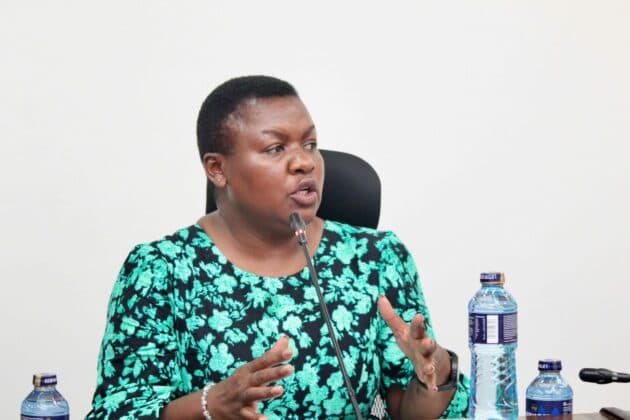
The sterile gloves of a nurse were never meant to replace the traditional cutter’s blade, yet this is the silent, sanitised crisis now threatening the daughters of Kisii.
Kisii Woman Representative Dorice Aburi has sounded the alarm on “medicalised FGM,” a growing trend where healthcare professionals—bowing to deep-seated community pressure—perform the cut under the guise of safety, effectively legitimising a violation of human rights.
Aburi warned that the involvement of medical practitioners is creating a false sense of security for parents. By moving the practice from riverbanks to clinics, the community is attempting to sanitise a ritual that remains fundamentally harmful.
The stakes in Kisii are exceptionally high. Home to nearly three million people, the region has historically grappled with Female Genital Mutilation (FGM) prevalence rates exceeding 80 percent, according to government data. While the method is modernising, the outcome remains a devastating violation of bodily autonomy.
Medical experts and rights advocates note that this shift presents unique challenges:
Speaking in an interview, Aburi emphasised that the fight is not just against the act itself, but for the Sexual and Reproductive Health and Rights (SRHR) of women. She argued that true safety comes from empowerment, not a surgical blade.
“I am committed to providing necessary information on SRHR and the consequences of FGM to our people, and help young girls make informed choices about their bodies and health,” Aburi stated.
To combat the cultural entrenchment of the practice, the Woman Representative has pivoted to direct community engagement. She has partnered with local schools to distribute sanitary towels and install water tanks, using these touchpoints to roll out education programs.
For Aburi, the mission extends beyond legislation; it is a battle for the mind, ensuring the next generation of Kisii women defines their worth by their intellect, not a scar.
Keep the conversation in one place—threads here stay linked to the story and in the forums.
Sign in to start a discussion
Start a conversation about this story and keep it linked here.
Other hot threads
E-sports and Gaming Community in Kenya
Active 9 months ago
The Role of Technology in Modern Agriculture (AgriTech)
Active 9 months ago
Popular Recreational Activities Across Counties
Active 9 months ago
Investing in Youth Sports Development Programs
Active 9 months ago



