We're loading the full news article for you. This includes the article content, images, author information, and related articles.
New Deposit Guarantee Fund and direct Treasury deductions aim to shield savers from the 'briefcase SACCO' menace and employer impunity.

For millions of Kenyans, the Savings and Credit Cooperative (SACCO) is not just a bank; it is a lifeline—a school fees plan, a plot of land, a retirement safety net. But after a year rocked by high-profile scandals that saw billions of shillings vanish, the government has finally drawn a line in the sand.
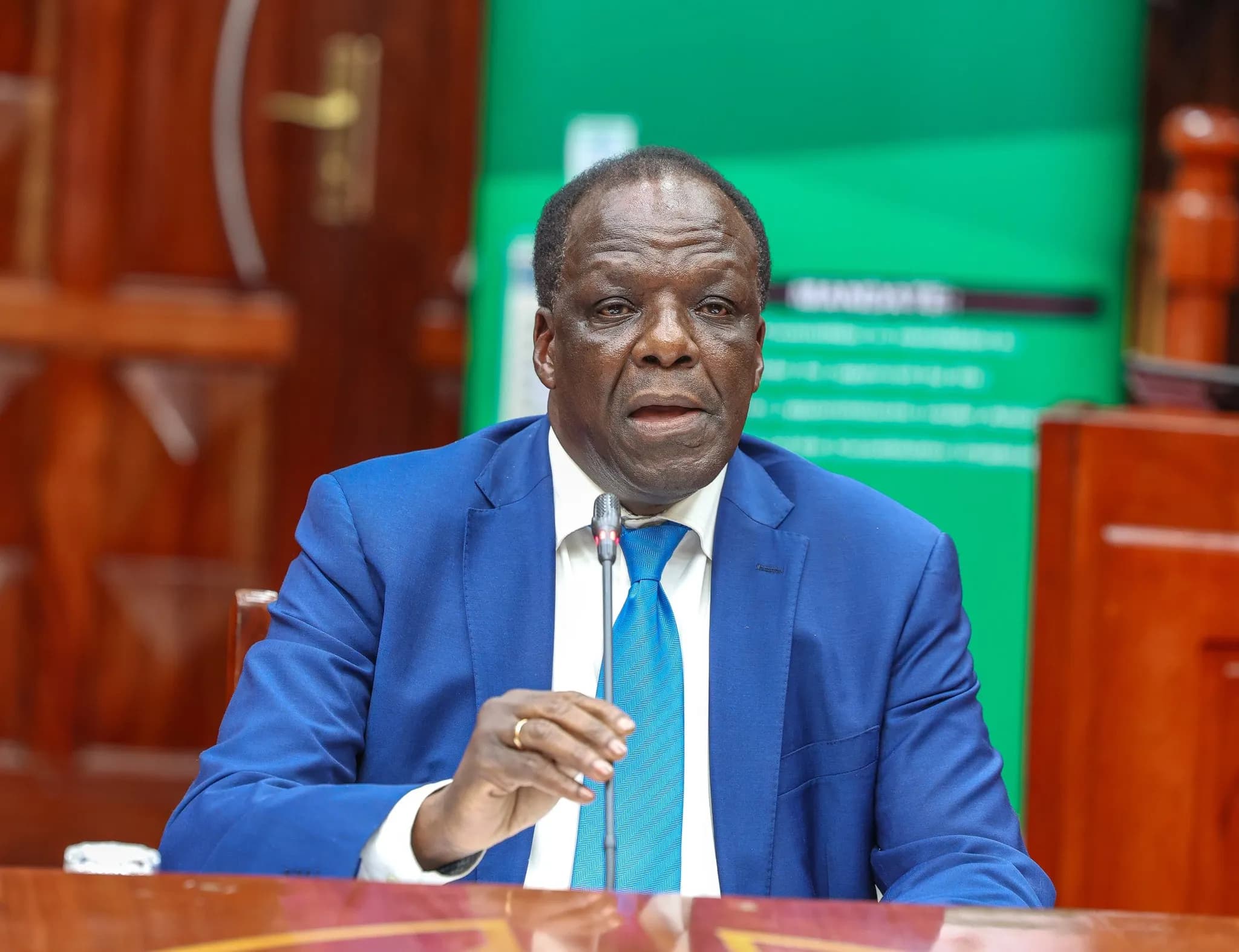
Speaking at the 10th Annual SACCO Leaders Summit in Mombasa this morning, Co-operatives and MSME Development Cabinet Secretary Wycliffe Oparanya unveiled a sweeping suite of reforms designed to "bulletproof" the sector. The headline announcement is the operationalization of the long-awaited Deposit Guarantee Fund (DGF), a safety mechanism that promises to compensate members if their SACCO collapses, mirroring the protection long enjoyed by commercial bank depositors.
"We can no longer ask Kenyans to trust their hard-earned money to institutions that operate in the shadows," Oparanya told the hushed conference hall. "The era of the 'briefcase SACCO' is over. If you cannot guarantee the safety of members' deposits, you have no business operating in this republic."
Perhaps the most aggressive move is the government's new stance on non-remittance—a chronic illness in the sector where employers deduct money from salaries but fail to forward it to SACCOs. As of late 2024, regulated SACCOs were owed a staggering KES 3.49 billion, with county governments and public universities identified as the worst offenders.
Under the new regulations, the National Treasury is now authorized to bypass defaulting employers entirely. "If a county government or university fails to remit deductions within the statutory timeline, the Treasury will deduct that amount directly from their exchequer allocation and wire it to the SACCO," explained SASRA CEO Peter Njuguna, who stood alongside the Cabinet Secretary.
This move is a game-changer for institutions like the University of Nairobi SACCO and various county-based societies, which have struggled with liquidity crises not because of mismanagement, but because their members' money was being held hostage by employers.
These reforms do not exist in a vacuum. They are a direct response to the trauma of the past two years, specifically the collapse of confidence following the KUSCCO and Metropolitan National SACCO scandals. The KUSCCO debacle alone saw an estimated KES 13 billion in member funds placed at risk, while Metropolitan's liquidity struggles left thousands of teachers unable to access their savings.
"I have been saving for 15 years, and last year I was terrified I had lost it all," said Mary Wanjiku, a teacher and SACCO member in Nairobi. "If this Guarantee Fund is real, then maybe I can sleep at night. But we need to see people in jail, not just new laws."
The new Cooperatives Bill, which has been winding its way through the legislative process since late 2024, provides the legal teeth for these changes. It introduces a "fit and proper" test for all SACCO directors, barring anyone with a history of financial impropriety from holding office. It also mandates that SACCOs restrict themselves to a single core business unless authorized otherwise, preventing the reckless diversification that sank several Tier-2 societies.
Analysts have welcomed the move but warn that implementation is key. The introduction of the Deposit Guarantee Fund will require SACCOs to pay a premium, a cost that may initially eat into dividends. However, the trade-off—security over slightly higher returns—is one most Kenyans seem willing to make.
"The SACCO model is unique to Kenya's economic DNA," noted financial analyst George Bodo. "It controls over KES 1 trillion in assets. Stabilizing this ship isn't just about protecting savings; it's about securing the country's domestic credit supply."
As the summit continues in Mombasa, the message from the government is clear: the "wild west" days of the cooperative movement are ending. For the teacher in Kiambu and the trader in Gikomba, the hope is that these reforms remain as solid as the paper they are written on.
Keep the conversation in one place—threads here stay linked to the story and in the forums.
Sign in to start a discussion
Start a conversation about this story and keep it linked here.
Other hot threads
E-sports and Gaming Community in Kenya
Active 9 months ago
The Role of Technology in Modern Agriculture (AgriTech)
Active 9 months ago
Popular Recreational Activities Across Counties
Active 9 months ago
Investing in Youth Sports Development Programs
Active 9 months ago
Key figures and persons of interest featured in this article