We're loading the full news article for you. This includes the article content, images, author information, and related articles.
A explosive public accusation has laid bare the deepening fissures within Kenya's Orange Democratic Movement, as MP Anthony Kibagendi accuses President William Ruto of funding an Oburu-led faction, signaling a critical turning point for the opposition.

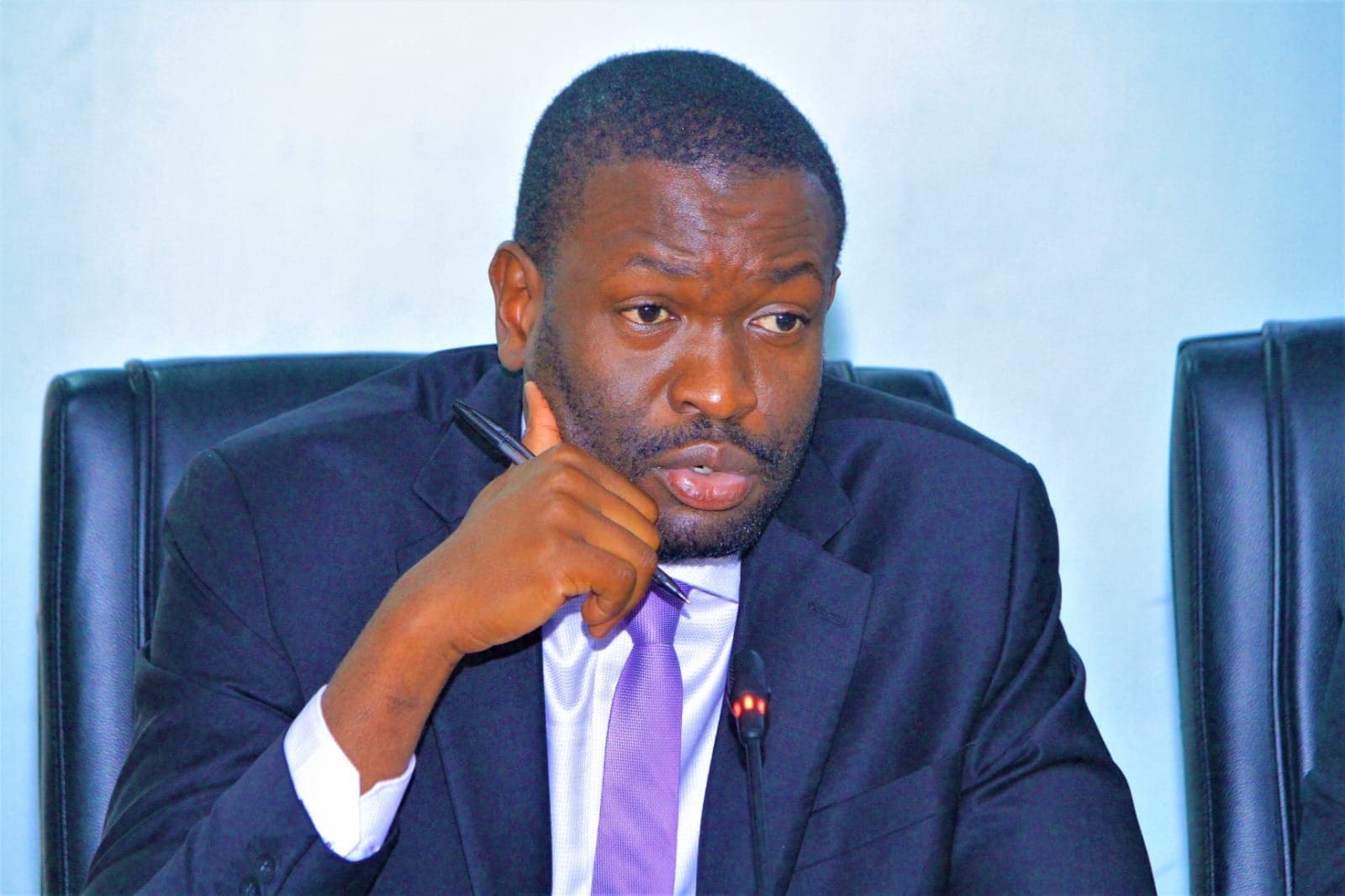
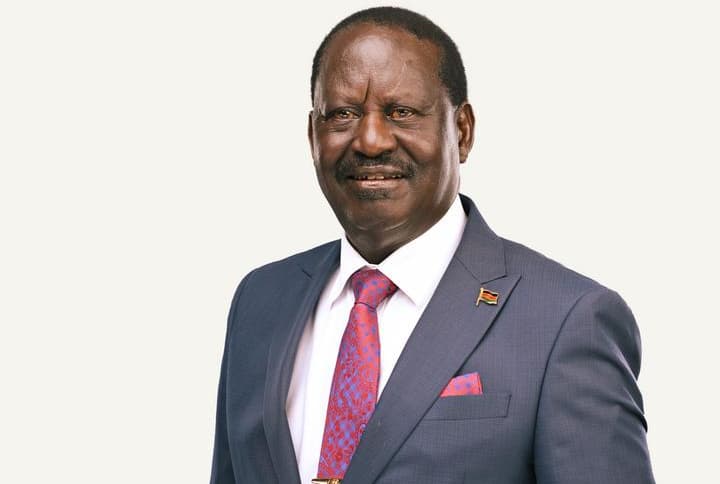
A explosive public accusation has laid bare the deepening fissures within Kenya's Orange Democratic Movement, as Kitutu Chache South Member of Parliament Anthony Kibagendi openly accused President William Ruto of financing a faction within the party led by Senator Oburu Oginga.
This development marks a critical turning point in the post-Raila Odinga era of the opposition, signaling that the battle for the soul of the party has moved from policy disagreements into the murkier, and potentially more dangerous, territory of alleged state-sponsored patronage. As the party grapples with existential questions regarding its identity and its role in a landscape dominated by the ruling United Democratic Alliance, the accusation suggests that the opposition is not merely divided by ideology, but potentially compromised by the very executive power it is constitutionally mandated to check.
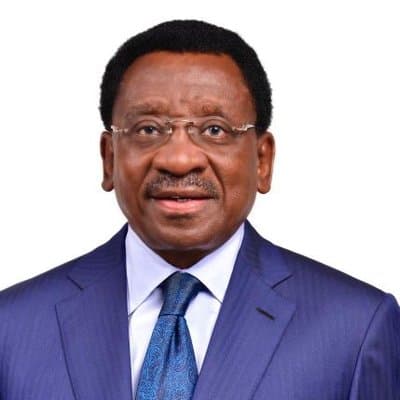
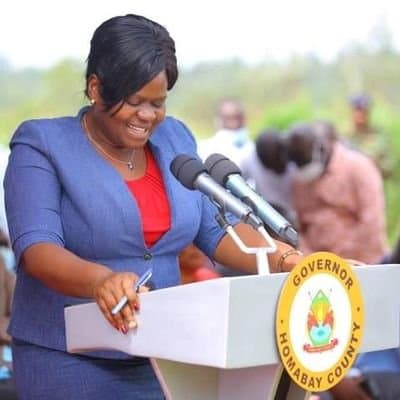
The accusation, which erupted amid a week of intense political maneuvering, shines a harsh light on the "Linda Mwananchi" movement—a faction within ODM led by figures such as Nairobi Senator Edwin Sifuna, Siaya Governor James Orengo, and MP Kibagendi himself. This group has positioned itself in staunch opposition to the party’s current trajectory, which under Senator Oburu Oginga and other mainstream leaders, appears increasingly inclined toward a "Broad Based Government" partnership with the Ruto administration.
The rift is not merely theatrical. It reflects a fundamental disagreement over whether ODM should maintain its role as a fierce opposition force or succumb to the realities of a political co-option strategy. Kibagendi’s assertion that state funds are being funneled to support the Oburu-led faction suggests a calculated move to neutralize the opposition from within by installing, or sustaining, leadership that is amenable to the ruling coalition’s legislative agenda.
In Kenyan politics, the concept of "broad-based" cooperation is often viewed by critics as a euphemism for the slow erosion of opposition influence. Analysts note that historical precedents exist for ruling parties using state resources to facilitate internal takeovers of opposition outfits. By bankrolling specific factions, the executive can ensure that party mechanisms—such as the National Delegates Convention—produce desired outcomes without the need for direct confrontation.
For the ODM, this is an existential crisis. The party, which served as the primary vehicle for political dissent for nearly two decades under the late Raila Odinga, is now faced with a reality where its own internal structures appear to be fracturing along lines of financial reliance and political convenience. If the accusations leveled by Kibagendi hold substance, they suggest a sophisticated effort to drain the party of its adversarial potency, transforming it from a watchdog into a subsidiary of the state.
MP Kibagendi is no stranger to intra-party conflict. His vocal stance against what he characterizes as the "auctioning" of Parliament has already drawn the ire of party hierarchy. Reports from late 2025 indicated moves to demote dissenters from lucrative parliamentary committees, a tactic clearly aimed at enforcing conformity. For legislators like Kibagendi, the fight is not just about the party—it is about the integrity of the institution of Parliament itself.
The fear among the dissenting faction is that the current ODM leadership is trading the party’s historical mandate for short-term political relevance and access to executive perks. This dynamic places the Kenyan electorate in a precarious position, as the primary check against government overreach finds itself mired in internal infighting, struggling to articulate a coherent policy alternative while simultaneously fending off what they perceive as state-sponsored subversion.
The financial realities of Kenyan politics cannot be understated. Political parties are notoriously expensive to run, and the reliance on both public funding—which is limited and often delayed—and private contributions leaves them vulnerable to capture. When an incumbent administration has the capacity to leverage state agencies, lucrative development projects, and discretionary budgets, the temptation for opposition leaders to seek "cooperation" often comes with a hefty price tag in the form of compromised autonomy.
As the country approaches the 2027 electoral cycle, the battle for control of ODM will likely escalate. The parallel meetings held by the two factions—one at Jamhuri grounds and the other at Jacaranda—are emblematic of a party that is effectively living a double life. One life is that of a government partner, and the other is that of a beleaguered movement desperate to reclaim its identity.
The question that remains for the Kenyan voter is whether the opposition can survive this period of internal cannibalization. If the state successfully manages to fund, and therefore control, the opposition, the result will be a hollowed-out democracy where the illusion of choice replaces the reality of accountability. Whether the Linda Mwananchi movement can successfully rally the base against the perceived state-backed leadership remains the defining drama of the 2026 political calendar.
Keep the conversation in one place—threads here stay linked to the story and in the forums.
Sign in to start a discussion
Start a conversation about this story and keep it linked here.
Other hot threads
E-sports and Gaming Community in Kenya
Active 10 months ago
The Role of Technology in Modern Agriculture (AgriTech)
Active 10 months ago
Popular Recreational Activities Across Counties
Active 10 months ago
Investing in Youth Sports Development Programs
Active 10 months ago
Key figures and persons of interest featured in this article