We're loading the full news article for you. This includes the article content, images, author information, and related articles.
The Hustler Fund and expanded credit guarantees have disbursed billions to small businesses. But with high default rates and questions of impact, we investigate if these schemes are truly fueling Kenya's economic engine or just sputtering.
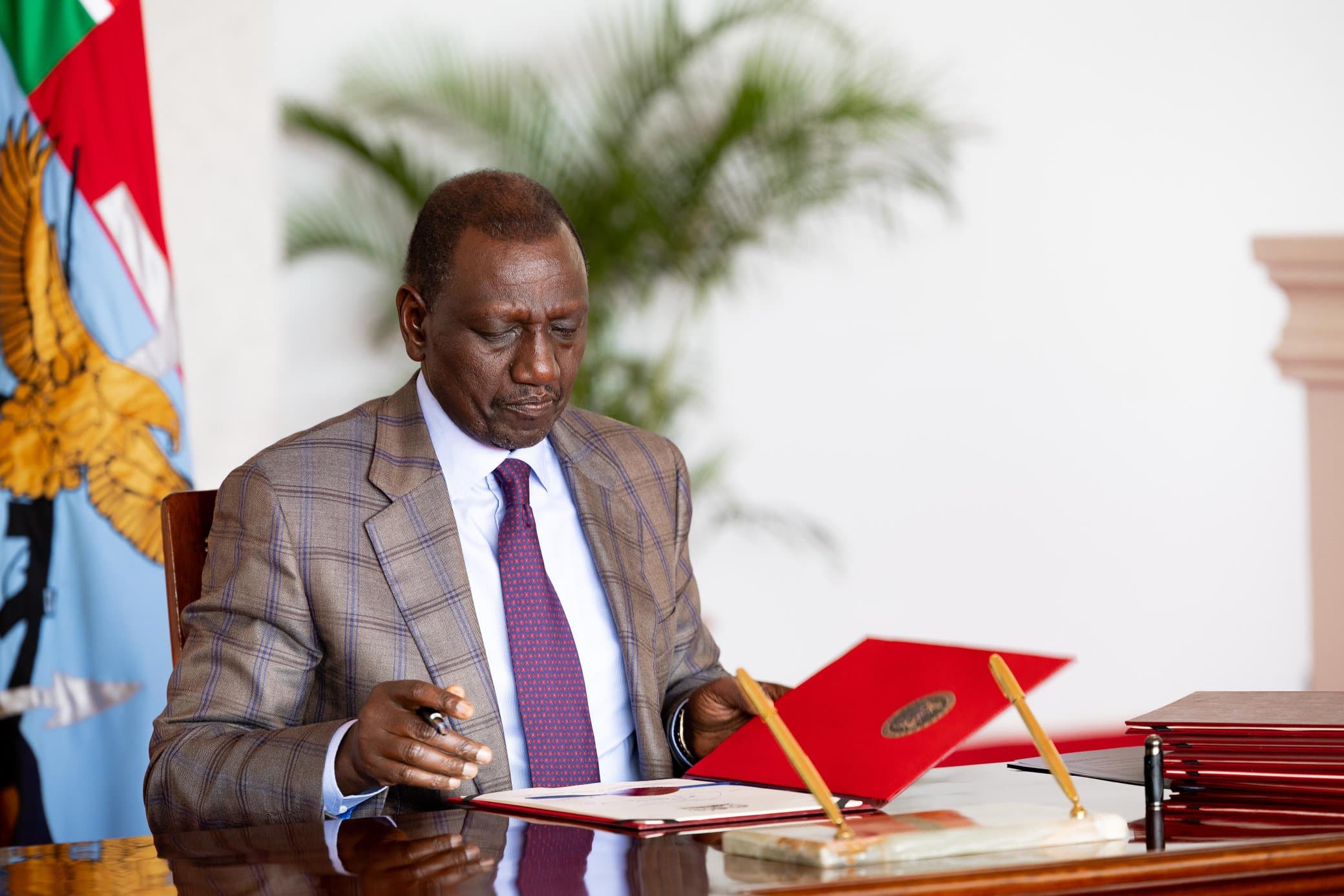
President William Ruto's administration has staked its legacy on empowering Kenya's small and medium-sized enterprises (MSMEs), deploying billions of shillings through its signature Hustler Fund and expanded credit guarantee schemes. The goal is simple: unlock affordable credit for the millions locked out of traditional banking.
Three years since the Hustler Fund's launch, the numbers are staggering. The digital lending program has disbursed over KES 80 billion to more than seven million Kenyans, fundamentally altering the micro-credit landscape. This initiative, a core pillar of the Bottom-Up Economic Transformation Agenda (BETA), aims to move public investment from consumption to production.
The government's strategy is twofold. First, the Hustler Fund provides direct, easily accessible mobile loans. Launched in November 2022, it offers personal loans starting from KES 500 up to KES 50,000. To encourage growth and good financial behaviour, new products have been introduced. The 'Bridge Loan' allows borrowers with a good repayment history to access up to KES 150,000. According to the State Department for MSME Development, about 800,000 entrepreneurs have qualified for these higher limits.
Second, the government is aggressively expanding the state-backed Credit Guarantee Scheme (CGS). This separate program de-risks lending by commercial banks to MSMEs that lack traditional collateral. The National Treasury plans to expand the CGS to facilitate up to KES 50 billion in commercial bank lending to over 200,000 enterprises. Under this scheme, the government absorbs a portion of the loss if a business defaults, encouraging banks to lend at more favourable rates.
Despite the massive disbursements, significant challenges threaten the long-term success of these programs. High default rates are a primary concern. A report from the Kenya Human Rights Commission (KHRC) labelled the Hustler Fund as "structurally flawed," citing a default rate of 68.3 percent. While the government contests this figure, placing it closer to 20%, it acknowledges that a write-off of up to KES 6 billion from early defaulters is being considered.
Critics also point to the loan sizes and terms as potential pitfalls. Initial loans are often too small to start or meaningfully scale a business, and the short repayment periods can force borrowers into cycles of debt. Further questions have been raised about the fund's effectiveness, with a 2025 Economic Survey revealing that the wealthiest Kenyans have been the most enthusiastic borrowers, undermining the program's pro-poor objective.
Key statistics paint a mixed picture:
The Ruto administration remains resolute. Government Spokesperson Isaac Mwaura recently stated the reforms are working, transforming livelihoods and creating jobs. The focus is on scaling up the Hustler Fund and expanding the CGS to reach more entrepreneurs. However, as MSME Principal Secretary Susan Mang'eni noted, the schemes must be made more impactful, with simplified processes and increased awareness to ensure they reach every corner of the country. The ultimate verdict on whether these initiatives will build a sustainable foundation for Kenya's 'hustlers' or become a cautionary tale of public finance remains to be written.
Keep the conversation in one place—threads here stay linked to the story and in the forums.
Sign in to start a discussion
Start a conversation about this story and keep it linked here.
Other hot threads
E-sports and Gaming Community in Kenya
Active 9 months ago
The Role of Technology in Modern Agriculture (AgriTech)
Active 9 months ago
Popular Recreational Activities Across Counties
Active 9 months ago
Investing in Youth Sports Development Programs
Active 9 months ago



