We're loading the full news article for you. This includes the article content, images, author information, and related articles.
President William Ruto’s UDA party and its allies clinched key seats in recent by-elections, but razor-thin victory margins and low voter turnout reveal a restless electorate grappling with economic hardship, setting a volatile stage for the next general election

President William Ruto’s political machine secured crucial victories in the November 27th by-elections, but the celebrations in the ruling camp are tempered by a stark reality: the ground beneath is shifting. The narrow wins, in some cases by only a few hundred votes, signal that the 2027 general election will be a fiercely contested battleground, far from a guaranteed coronation.
For the ordinary Kenyan, this political chess game unfolds against a backdrop of relentless economic pressure. While the government points to stabilising inflation, which eased slightly to 4.5% in November, public sentiment remains grim. Recent polls show a vast majority of citizens feel the country is heading in the wrong direction, with the high cost of living and unemployment cited as their most pressing concerns. The by-elections, therefore, were not just a test of political might but a quiet referendum on whether the government's economic policies are putting food on the table.
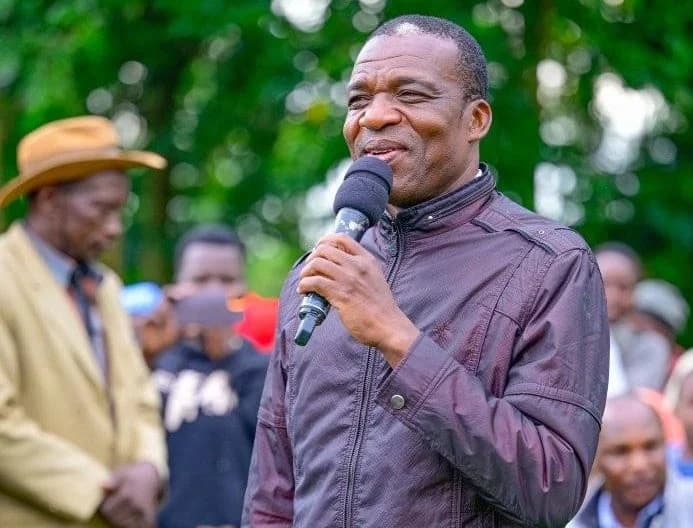
The ruling United Democratic Alliance (UDA) and its partner ODM, part of a broad-based government, swept all contested parliamentary seats. Key among these were the hard-fought races in Mbeere North and Malava. In Mbeere North, UDA’s Leonard Muthende won by a slim margin of just 494 votes, securing 15,802 votes against his rival Newton Kariuki. Similarly, in Malava, UDA's David Ndakwa clinched the seat with 21,564 votes, a mere 1,354 more than his competitor.
These tight races are significant. They occurred in regions considered political bellwethers and became high-stakes contests between President Ruto's camp and a nascent opposition coalition. While Ruto's allies have framed the results as a grassroots endorsement of his administration, political analysts offer a more cautious interpretation. “The shrinking margins in traditionally safe seats...indicate a more competitive and unpredictable electoral environment heading into 2027,” noted political analyst Charles Ndwiga.
While politicians celebrated, many voters stayed home, with the by-elections marked by low turnout across several areas. This voter apathy speaks volumes in a nation where economic anxieties dominate daily life. A September 2025 Infotrak poll revealed that 79% of Kenyans feel the cost of living is higher than a year ago, with a majority blaming domestic policies and taxes. Another survey from October 2025 found that 61% of Kenyans believe the country is headed in the wrong direction.
The government, in its defence, points to positive macroeconomic indicators. President Ruto's recent State of the Nation address highlighted that inflation has been tamed from a high of 9.6% in 2022 and that the economy is projected to grow. The World Bank recently upgraded Kenya's 2025 growth forecast to 4.9%, citing a rebound in the construction sector. However, the bank also warned that this growth must translate into better jobs and higher incomes to alleviate poverty. For many, the reality on the ground is different:
The by-election results have undeniably reset the political chessboard. They have solidified President Ruto's immediate political standing and offered a narrative of growing national acceptance. However, the opposition, while bruised, sees the narrow margins as a sign of the ruling coalition's vulnerability, alleging that state machinery tilted the outcomes. As one governance expert, Prof. Fred Ogola, bluntly put it, “Kenya's real crisis is economic...forming a transitional government is more urgent than holding by-elections.” The results are a clear signal to the administration that while they may be winning political skirmishes, the broader war for the hearts and minds of Kenyans will be fought and won not on the campaign trail, but in the marketplace and at the dinner table.
Keep the conversation in one place—threads here stay linked to the story and in the forums.
Sign in to start a discussion
Start a conversation about this story and keep it linked here.
Other hot threads
E-sports and Gaming Community in Kenya
Active 9 months ago
The Role of Technology in Modern Agriculture (AgriTech)
Active 9 months ago
Popular Recreational Activities Across Counties
Active 9 months ago
Investing in Youth Sports Development Programs
Active 9 months ago
Key figures and persons of interest featured in this article