We're loading the full news article for you. This includes the article content, images, author information, and related articles.
**President William Ruto has announced an ambitious plan to construct 900 modern police stations across Kenya by 2027, a move aimed at bringing security closer to the people but one that raises urgent questions about cost, funding, and the deeper challenges facing the National Police Service.**

President William Ruto has ordered the construction of 900 new, modern police stations across Kenya, setting a tight two-year deadline for one of the most significant security infrastructure expansions in the nation’s recent history. The directive, unveiled at State House, Nairobi, is a direct response to citizen feedback gathered during nationwide security forums.
The plan is the government’s answer to a critical problem identified in the recently compiled Jukwaa la Usalama (Platform for Security) report: vast distances separating citizens from the nearest police services. This gap, the President noted, hinders emergency response, weakens community policing efforts, and ultimately costs lives and livelihoods. “Some areas are very far away from the nearest police station,” Ruto stated during the report's launch on Tuesday, December 2nd, 2025.
While the pledge has been made, the total cost of this massive undertaking remains unclear. Government documents from 2019 estimated that equipping a single police post would cost at least KES 2 million (approx. $15,400). However, building a fully-fledged modern station is expected to be significantly more expensive, placing the total project cost well into the billions of shillings. The 2025/2026 budget allocates KES 125.7 billion to the National Police Service, with KES 3.6 billion specifically earmarked for the Police Modernisation Programme, though a dedicated budget for the 900 stations has not been specified.
To finance the ambitious project, the administration plans a three-pronged approach:
This funding model, particularly the reliance on NG-CDF and the housing levy-backed Affordable Housing Programme, is already generating debate. The housing program itself has faced public skepticism over its mandatory levy and transparency concerns.
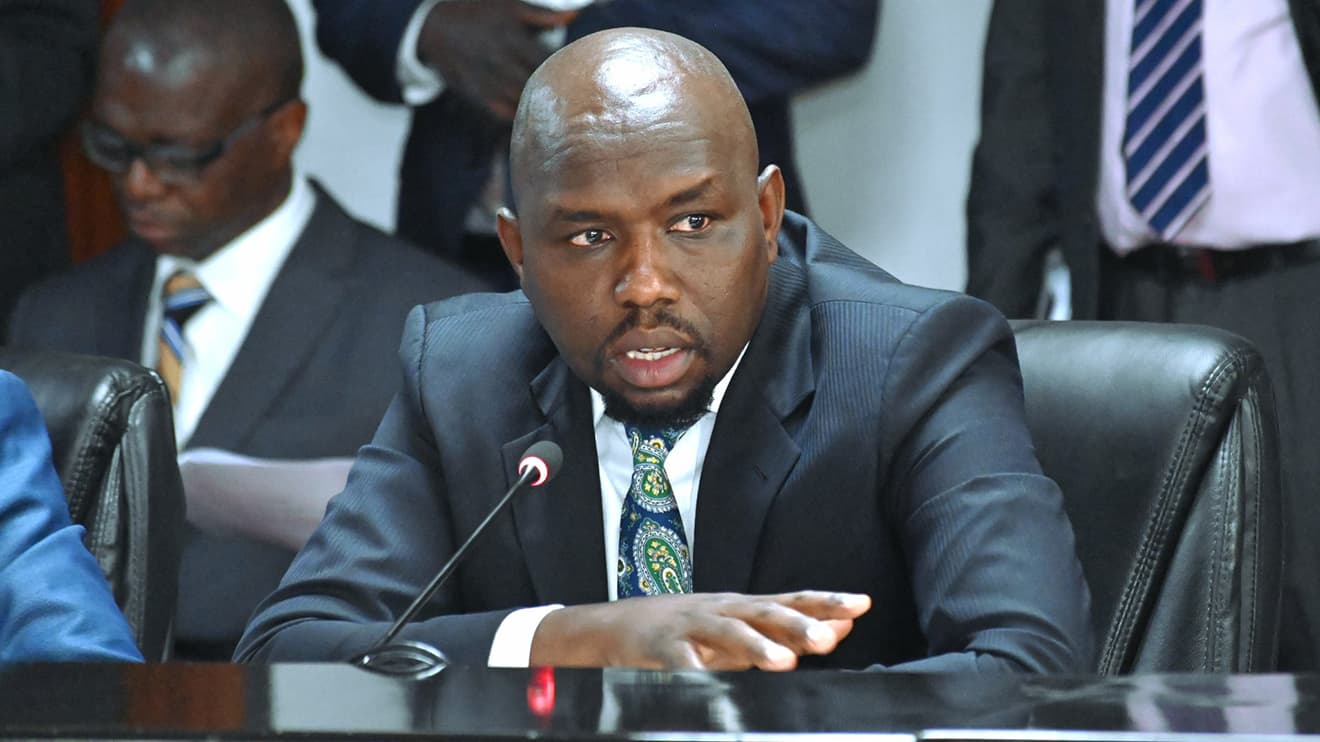
The Jukwaa la Usalama report, a product of seven months of public consultations across all 47 counties led by Interior Cabinet Secretary Kipchumba Murkomen, laid bare the scale of the challenge. In Turkana County, for example, officers in the newly operationalised Lokiriama Sub-County are forced to work from a headquarters nearly 80 kilometres away due to a lack of facilities. The report recommended not just more stations, but also better digital infrastructure and partnerships with the private sector to accelerate development.
However, security analysts and civil society groups caution that infrastructure alone cannot solve the deep-seated issues plaguing the police service. While acknowledging the need for better facilities, many point to a persistent trust deficit. A 2022 Afrobarometer survey found that only a third of Kenyans trust the police, with the institution consistently ranked as one of the most corrupt. Human rights organizations like the Independent Medico-Legal Unit (IMLU) have documented a troubling rise in deaths in police custody, highlighting a culture of impunity that new buildings cannot erase.
The announcement is part of a wider raft of reforms that includes the operationalisation of 24 new sub-counties and hundreds of new administrative locations to bring government services closer to the people. Yet, for the average Kenyan, the ultimate measure of success will not be the number of new buildings, but whether they translate into a tangible reduction in crime, a faster response when help is needed, and a police service that is truly there to serve and protect.
As one security expert noted, “The question is not just about building stations, but about building trust. Without fundamental reforms in accountability and professionalism, these new stations risk becoming merely new venues for old problems.”
Keep the conversation in one place—threads here stay linked to the story and in the forums.
Sign in to start a discussion
Start a conversation about this story and keep it linked here.
Other hot threads
E-sports and Gaming Community in Kenya
Active 9 months ago
The Role of Technology in Modern Agriculture (AgriTech)
Active 9 months ago
Popular Recreational Activities Across Counties
Active 9 months ago
Investing in Youth Sports Development Programs
Active 9 months ago
Key figures and persons of interest featured in this article