We're loading the full news article for you. This includes the article content, images, author information, and related articles.
President William Ruto is set to officially launch the dualling of the 175-kilometre Rironi-Mau Summit highway today, a massive infrastructure project aimed at ending decades of traffic gridlock on the critical Northern Corridor.
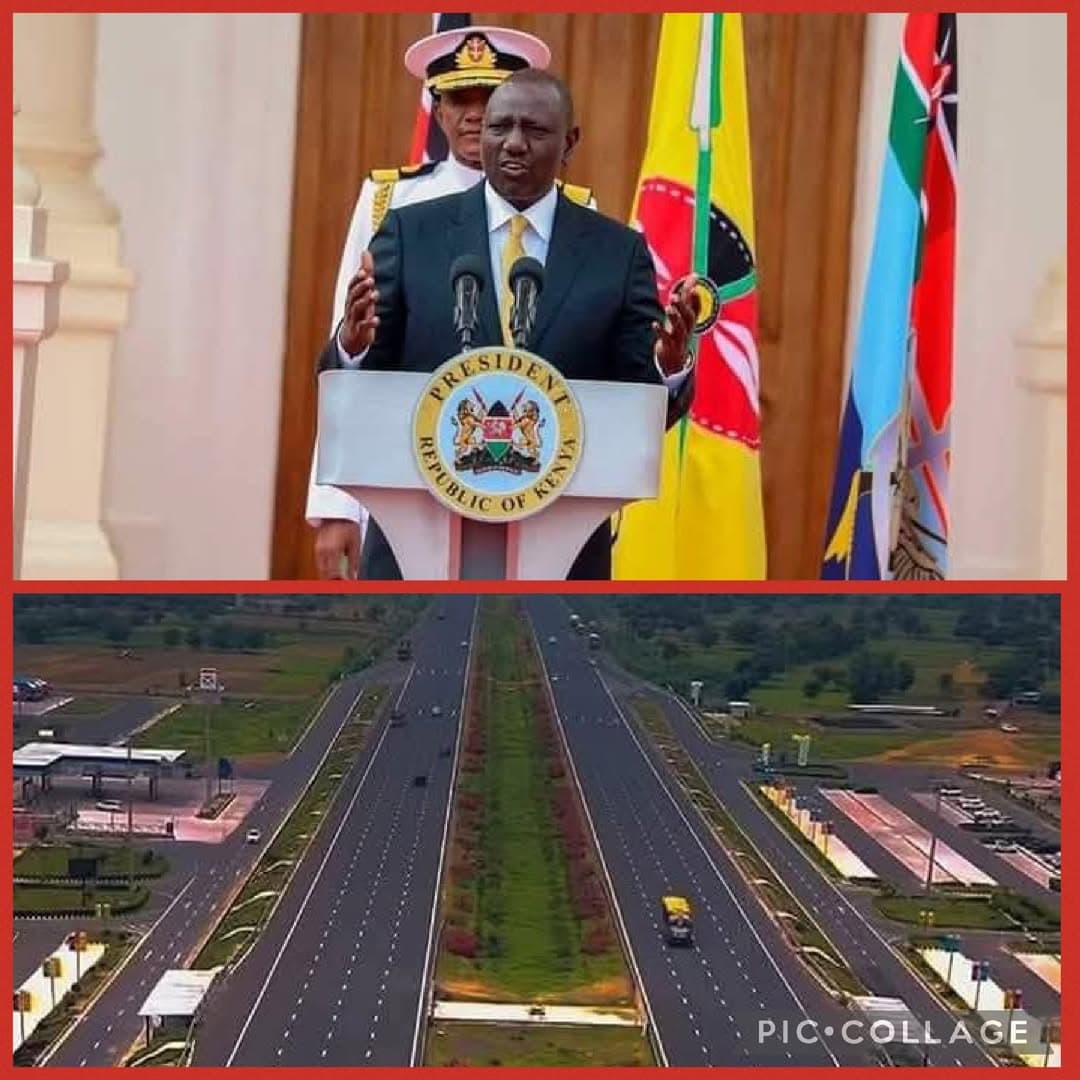
President William Ruto will preside over the official launch of the much-anticipated Rironi-Mau Summit highway upgrade today, kicking off a KES 200 billion (approx. $1.5 billion) project expected to transform one of Kenya's most vital economic arteries. The groundbreaking ceremonies will take place at Kwa-Mbira, Gilgil, and Mau Summit, marking the start of construction on the A8 and A8 South roads.
For hundreds of thousands of Kenyans, this project is more than just asphalt and interchanges; it's a promise of relief from the crippling traffic congestion that costs the nation's economy an estimated KES 146.5 billion annually in delays. The notorious gridlock along the current two-lane road has stifled trade, wasted countless hours, and become a significant source of frustration for commuters and businesses alike.
The Kenya National Highways Authority (KeNHA) confirmed the project will be executed by contractors China Road and Bridge Corporation (CRBC) and Shandong Hi-Speed Road and Bridge International. The ambitious plan involves widening the existing road into a four-lane dual carriageway from Rironi to Naivasha, expanding to six lanes from Naivasha to Nakuru, and upgrading the final stretch to Mau Summit.
Key features of the upgrade include:
The project is being implemented under a Public-Private Partnership (PPP) model, though KeNHA has noted that contracts are still being finalised even as construction commences. Motorists using the upgraded highway will be subject to tolls, but KeNHA has assured the public that alternative, non-tolled routes will be available.
President Ruto has championed the highway as a transformative initiative that will "facilitate movement, boost trade, and end decades of traffic gridlock." The upgrade is a cornerstone of a wider government plan to dual 2,500 kilometres of highways over the next decade to bolster economic growth and regional competitiveness. By slashing travel times and reducing vehicle operating costs, the project is poised to put money back into the pockets of ordinary Kenyans and businesses.
However, the project has not been without its critics. The Motorist Association of Kenya (MAK) has previously raised concerns about the tolling model, arguing it could burden taxpayers. For public service vehicle operators, the new road presents both opportunities and challenges. While the faster commutes are welcome, the Matatu Owners Association (MOA) has consistently called for better engagement with the government to ensure infrastructure projects cater to the needs of the PSV sector, including the provision of designated passenger stops.
As the bulldozers roll in, the nation watches with anticipation. The Rironi-Mau Summit highway is not just a road; it's a critical test of the country's ability to deliver large-scale infrastructure that fuels economic progress and provides tangible relief for its citizens.
Keep the conversation in one place—threads here stay linked to the story and in the forums.
Sign in to start a discussion
Start a conversation about this story and keep it linked here.
Other hot threads
E-sports and Gaming Community in Kenya
Active 9 months ago
The Role of Technology in Modern Agriculture (AgriTech)
Active 9 months ago
Popular Recreational Activities Across Counties
Active 9 months ago
Investing in Youth Sports Development Programs
Active 9 months ago