We're loading the full news article for you. This includes the article content, images, author information, and related articles.
**President William Ruto has defended his frequent hosting of citizen delegations at State House, framing it as essential governance amid rising concerns over the cost to taxpayers.**
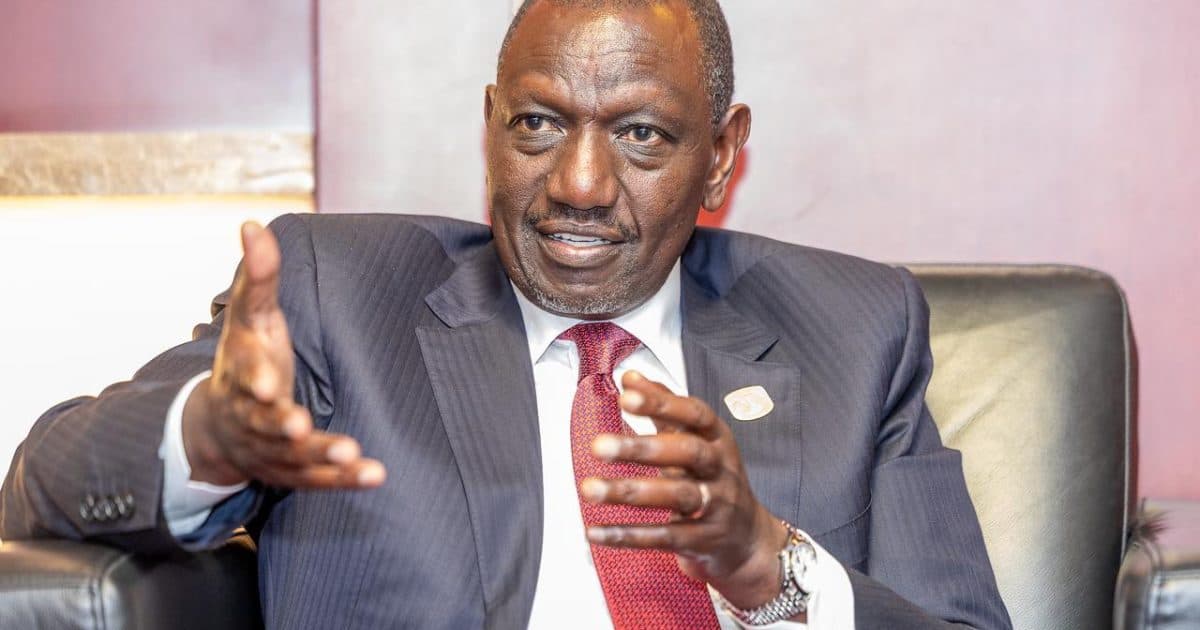
President William Ruto has forcefully defended his administration's open-door policy at State House, dismissing criticism that the constant stream of citizen delegations is degrading the presidency and wasting public funds. The President argues that direct engagement is fundamental to his "Bottom-Up" economic agenda.
This defense comes as the administration faces mounting questions over the expenditure associated with these gatherings. Critics, including opposition leaders and civil society groups, contend that the meetings are thinly veiled campaign events funded by the taxpayer, effectively turning the nation's highest office into a hub for populist politics.
The financial implications of this policy have come under sharp scrutiny. A recent meeting with 10,000 teachers reportedly cost approximately KES 100 million. Sources indicate that attendees at various delegations can receive allowances ranging from KES 5,000 to as much as KES 200,000 each.
Concerns have been further amplified by reports from the Controller of Budget, Margaret Nyakang'o. One report highlighted that the Treasury released KES 3.6 billion for travel, hospitality, and meetings in just 42 days between May and June 2025, with a significant portion accessed under constitutional articles for emergency spending. A more recent first-quarter report for the 2025/2026 financial year noted State House spent KES 4.5 billion over three months, averaging KES 50 million daily.
President Ruto remains unapologetic, stating he has elevated the stature of ordinary Kenyans by opening the gates of State House. "We will continue to make government, the Executive and even Parliament people-centred. We will make State House accessible," the President noted during a speech in Mombasa. His allies echo this sentiment, arguing the gatherings are a core part of the "Bottom-Up" philosophy that brought the administration to power.
However, analysts and opposition figures remain unconvinced. Busia Senator Okiya Omtatah has accused the President of a "reckless disregard for public resources." Others have dismissed the delegations as "paid-for meetings" designed to manufacture political support, drawing parallels to the YK'92 lobby group of the KANU era. As the administration continues to host delegations, the debate intensifies over whether these meetings are a genuine form of public participation or a costly political strategy.
Keep the conversation in one place—threads here stay linked to the story and in the forums.
Sign in to start a discussion
Start a conversation about this story and keep it linked here.
Other hot threads
E-sports and Gaming Community in Kenya
Active 9 months ago
The Role of Technology in Modern Agriculture (AgriTech)
Active 9 months ago
Popular Recreational Activities Across Counties
Active 9 months ago
Investing in Youth Sports Development Programs
Active 9 months ago



