We're loading the full news article for you. This includes the article content, images, author information, and related articles.
In a tense State House summit, county bosses secure a definitive timeline to take control of lingering national functions and a KES 208 billion health war chest.
NAIROBI — The decade-long tug-of-war between the national government and Kenya’s 47 counties may finally be nearing its end.
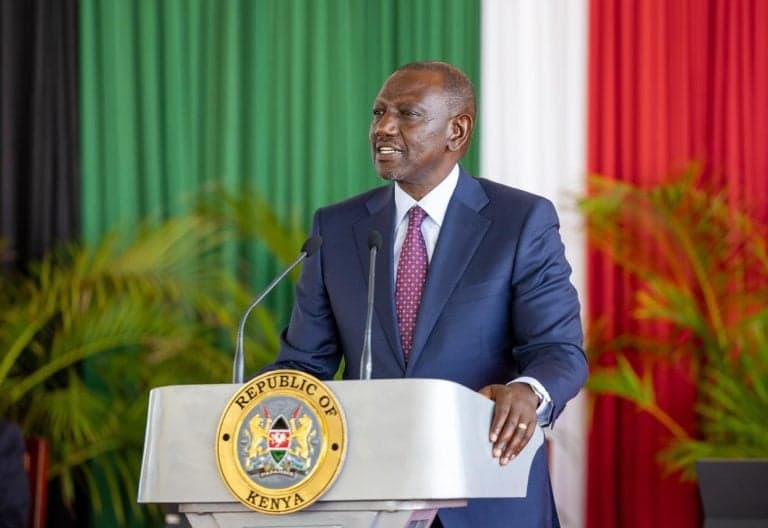
In a high-stakes meeting at State House on Wednesday, President William Ruto and the Council of Governors (CoG) hammered out a breakthrough agreement to dismantle the bureaucratic bottlenecks that have choked devolution for years. The deal, sealed during the 12th National and County Governments Coordinating Summit, commits the national government to immediately operationalize the transfer of all remaining devolved functions—a move that could release billions of shillings directly to the grassroots.
While the legal transfer of functions was technically gazetted in August 2025, governors have long complained that the reality on the ground is different. Ministries in Nairobi have continued to hold onto resources and staff for roles that constitutionally belong to the counties, creating a “duplication of roles” that wastes public funds.
President Ruto acknowledged this gap, directing the Intergovernmental Relations Technical Committee (IGRTC) to enforce the transfer with strict deadlines. “This long-awaited clarification of roles removes historical ambiguities and institutional tensions that slowed service delivery,” Ruto noted. “We must ensure Kenyans feel the impact of devolved services in their daily lives, not just in gazette notices.”
A major pillar of the summit’s success was the resolution of the standoff over the Kenya-United States Health Cooperation Framework. Governors had previously expressed skepticism, fearing it might undermine county autonomy in healthcare.
However, after assurances from the Attorney General’s office regarding data privacy and sovereignty, the CoG endorsed the deal. The framework is set to inject $1.6 billion (approx. KES 208 billion) into county healthcare systems over the next five years. “Our goal is clear,” Ruto emphasized. “This is not a loan. It is a direct investment in the health of our people, and no individual will take advantage of it.”
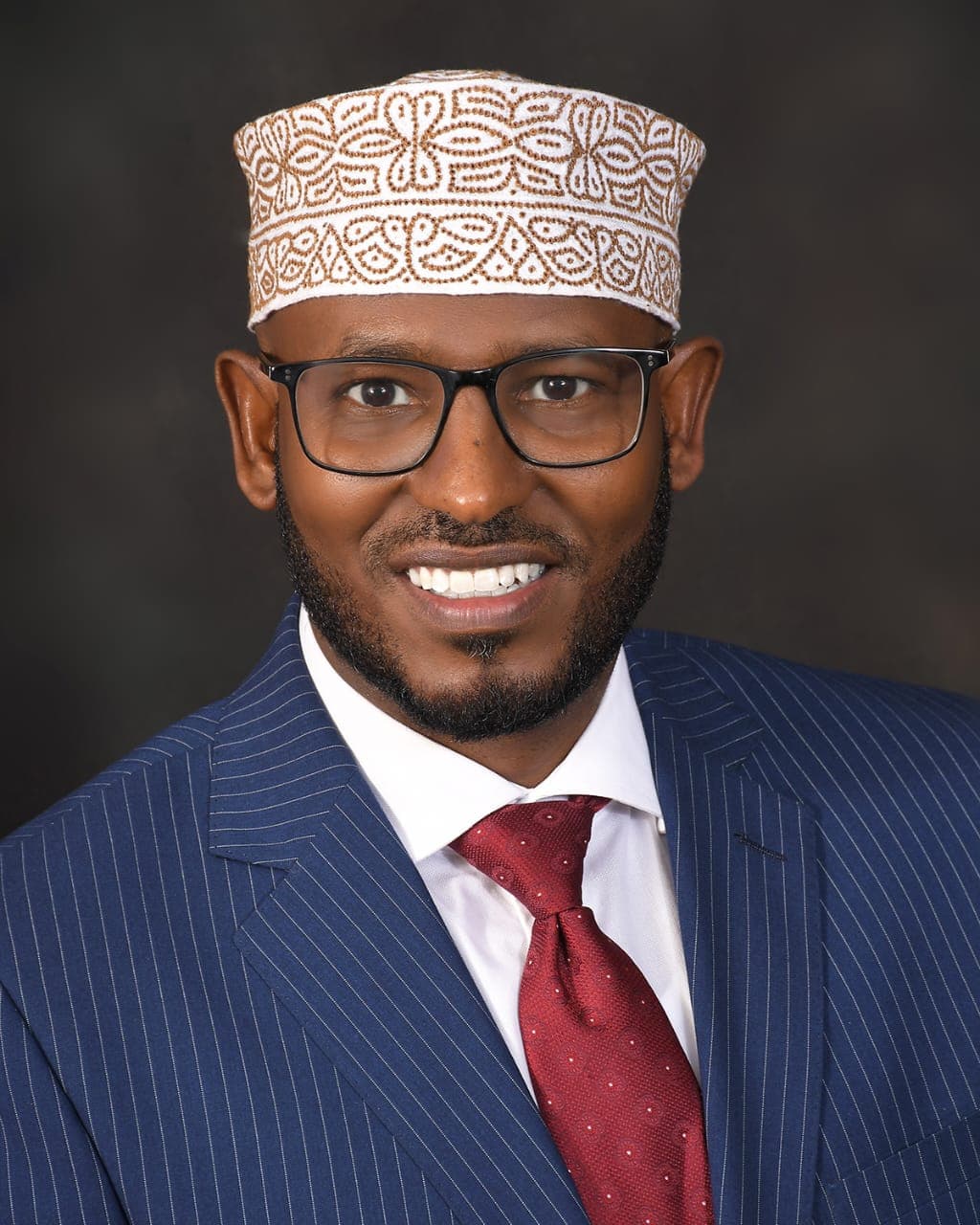
The summit also saw a bold new demand from the county bosses. CoG Chair Ahmed Abdullahi (Wajir Governor) pushed for counties to have a formal seat at the table in security and foreign affairs—sectors traditionally ring-fenced by the national government.
Abdullahi argued that insecurity directly affects county economies, from tourism in the coast to agriculture in the Rift Valley. “We cannot develop our counties if we are spectators in the security of our people,” Abdullahi stated. While no immediate handover of security powers was agreed upon, the President conceded to the creation of “sector forums” where governors can formally influence security policy.
For the ordinary Kenyan, this bureaucratic truce has tangible implications. The full transfer of functions means that accountability for services like local clinics, feeder roads, and agricultural extension services now rests squarely with your governor. The excuse of “Nairobi hasn’t sent the money” will hold less water.
Furthermore, the KES 208 billion health injection is expected to stabilize the rocky transition to the Social Health Authority (SHA), potentially easing the drug shortages and equipment failures that have plagued county hospitals.
“We are proud of the partnership,” Ruto concluded, “but delays in implementing past resolutions remain a concern. We must now move with speed.”
Keep the conversation in one place—threads here stay linked to the story and in the forums.
Sign in to start a discussion
Start a conversation about this story and keep it linked here.
Other hot threads
E-sports and Gaming Community in Kenya
Active 9 months ago
The Role of Technology in Modern Agriculture (AgriTech)
Active 9 months ago
Popular Recreational Activities Across Counties
Active 9 months ago
Investing in Youth Sports Development Programs
Active 9 months ago
Key figures and persons of interest featured in this article