We're loading the full news article for you. This includes the article content, images, author information, and related articles.
Kenya's Mau Forest dispute returns as a critical political test for President Ruto, balancing environmental restoration with 2027 election promises.

The heavy canopy of the Mau Forest hides more than just biodiversity it shelters three decades of political promises that are rapidly unraveling as the 2027 general election approaches. For President William Ruto, the sprawling 400,000-hectare complex has ceased to be merely a conservation challenge and has transformed into an existential political risk. As administrative machinery pushes for the restoration of degraded forest land, the administration finds itself trapped between the stark demands of international climate commitments and the volatile sentiments of a Rift Valley voting bloc that once anchored its path to the presidency.
This conflict is not new, but its current iteration is particularly fraught. Successive administrations have treated the Mau as a political currency, oscillating between eviction drives to satisfy environmentalists and pledges of land security to retain grassroots loyalty. With 2027 on the horizon, the pressure on the current administration to prove its commitment to environmental stewardship while avoiding a repeat of the traumatic evictions that characterized the 2009 and 2018 cycles is immense. The stakes involve not just the political capital of the ruling coalition, but the long-term hydrological security of the entire nation.
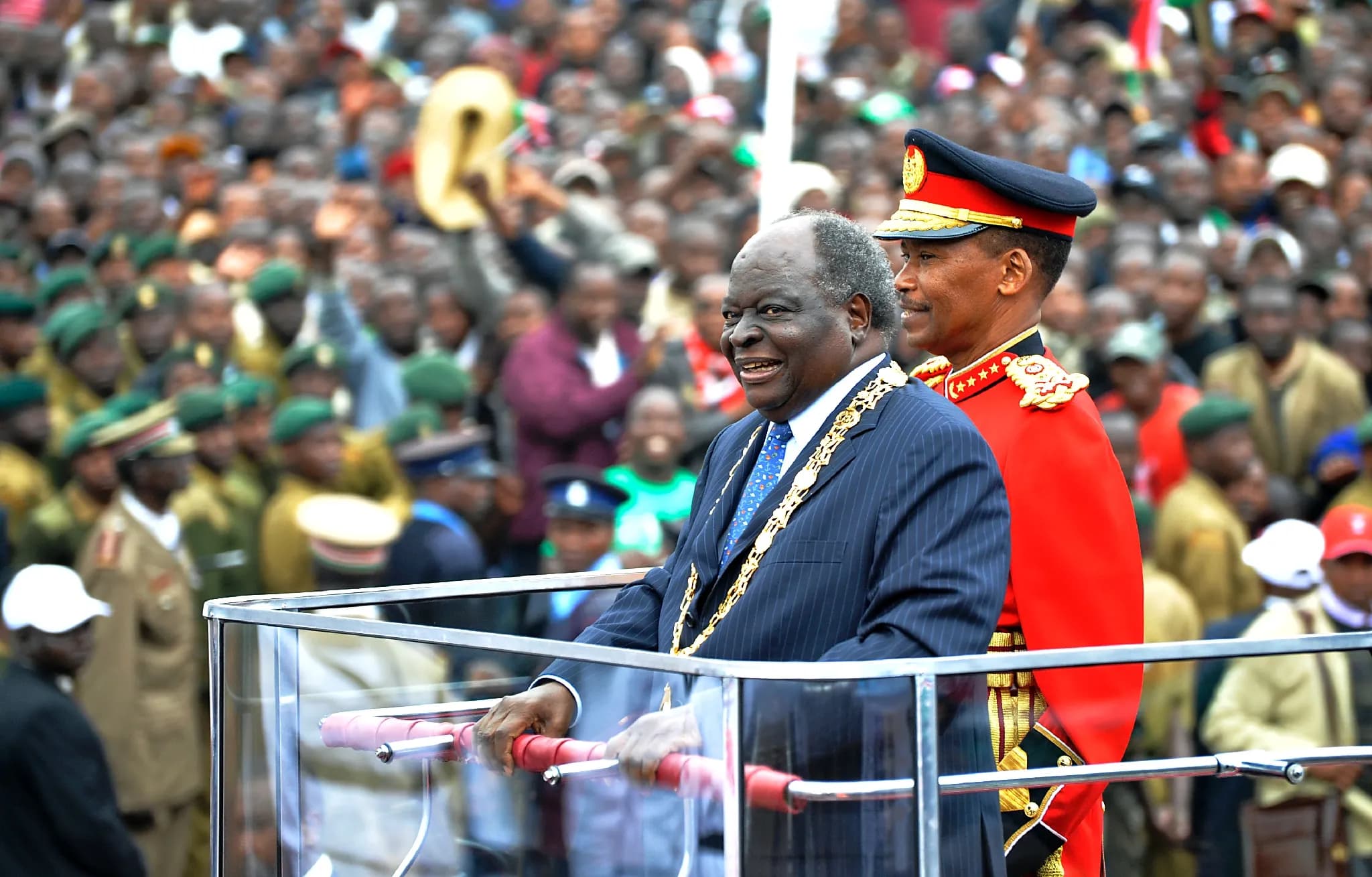
The history of the Mau Forest is etched in the narratives of the three presidents who preceded the current administration. Each leader navigated the delicate balance of forest management with varying degrees of success and controversy. Under the administration of Daniel arap Moi, initial settlement patterns in parts of the complex were often encouraged or overlooked, establishing the roots of the current crisis. When Mwai Kibaki assumed power, the 2009 task force reports triggered mass evictions, an action that cemented the political fallout which would eventually shape the political trajectories of the following decade.
By the time Uhuru Kenyatta assumed the presidency, the focus shifted to sustained restoration efforts, including the controversial 2018 evictions. These events displaced thousands, leaving a legacy of disenfranchised communities who felt abandoned by the state. The current administration, having built a significant portion of its support base on promises to rectify what it termed the historical injustices suffered by these communities, now faces a paradox. The government is legally bound by environmental mandates, yet politically sensitive to the narrative that these restoration efforts are a continuation of past injustices.
The Mau Forest is the primary water tower for Kenya, feeding twelve major rivers including the Mara, Nzoia, and Sondu Miriu. Data from the Kenya Forest Service indicates that the destruction of this ecosystem has a direct, quantifiable impact on the economy. Research published by environmental hydrologists in early 2025 suggests that the reduction in forest cover has contributed to a 15 percent decrease in water volume in the Sondu Miriu river, directly affecting hydroelectric power generation capacity. This contraction represents a potential economic loss of KES 5.2 billion annually due to increased reliance on thermal power alternatives during peak drought seasons.
Economists at the Central Bank of Kenya have previously noted that climate-resilient agriculture is critical for the nation's GDP, which relies heavily on rain-fed crop production. The degradation of the Mau undermines the very agricultural stability the current administration campaigned to protect. Furthermore, international financing institutions, including the World Bank, have tied development funding for water infrastructure to the successful, sustainable management of such catchment areas. Failure to act could result in the freezing of development loans estimated at KES 25 billion over the next fiscal cycle.
The core of the dilemma lies in the upcoming 2027 election cycle. In the Rift Valley, land remains the most emotive issue, often superseding economic policy or infrastructure development in voter motivation. Political analysts at the University of Nairobi argue that any attempt at forceful removal of settlers could be weaponized by opposition factions to accuse the government of betraying its base. This fear has led to a policy of cautious incrementalism, where the government attempts to balance voluntary relocation schemes with firm enforcement of boundary markers.
The dilemma is further complicated by the demographic realities of the region. A significant percentage of the affected population includes second and third-generation settlers who have no alternative land holdings. The administration's challenge is not just environmental it is a humanitarian crisis management effort. Providing land for resettlement is an expensive exercise, potentially costing the taxpayer billions of shillings at a time when the national budget is already stretched thin by public debt obligations.
As the administration navigates this minefield, the world is watching. International conservation bodies are using the Mau Forest as a case study for African environmental governance. The failure to restore the forest would confirm the fears of those who argue that political expediency will always triumph over long-term environmental survival. Conversely, the successful implementation of a humane, well-compensated, and transparent reclamation process could serve as a national template for resolving human-wildlife and land-tenure conflicts.
President Ruto faces a choice that will likely define the environmental legacy of his tenure. Whether the administration chooses to prioritize the immediate electoral comfort of the Rift Valley or the long-term survival of the nation's water systems remains to be seen. However, one reality is absolute: the forest, unlike politicians, cannot be negotiated with. Once the rivers dry and the soil erodes, the promises made on the campaign trail will offer little relief to the millions who depend on the Mau for their daily existence.
Keep the conversation in one place—threads here stay linked to the story and in the forums.
Sign in to start a discussion
Start a conversation about this story and keep it linked here.
Other hot threads
E-sports and Gaming Community in Kenya
Active 10 months ago
The Role of Technology in Modern Agriculture (AgriTech)
Active 10 months ago
Popular Recreational Activities Across Counties
Active 10 months ago
Investing in Youth Sports Development Programs
Active 10 months ago
Key figures and persons of interest featured in this article