We're loading the full news article for you. This includes the article content, images, author information, and related articles.
A high-powered government delegation descends on Murang’a to distribute financial aid to traders who lost their livelihoods in a devastating market inferno.
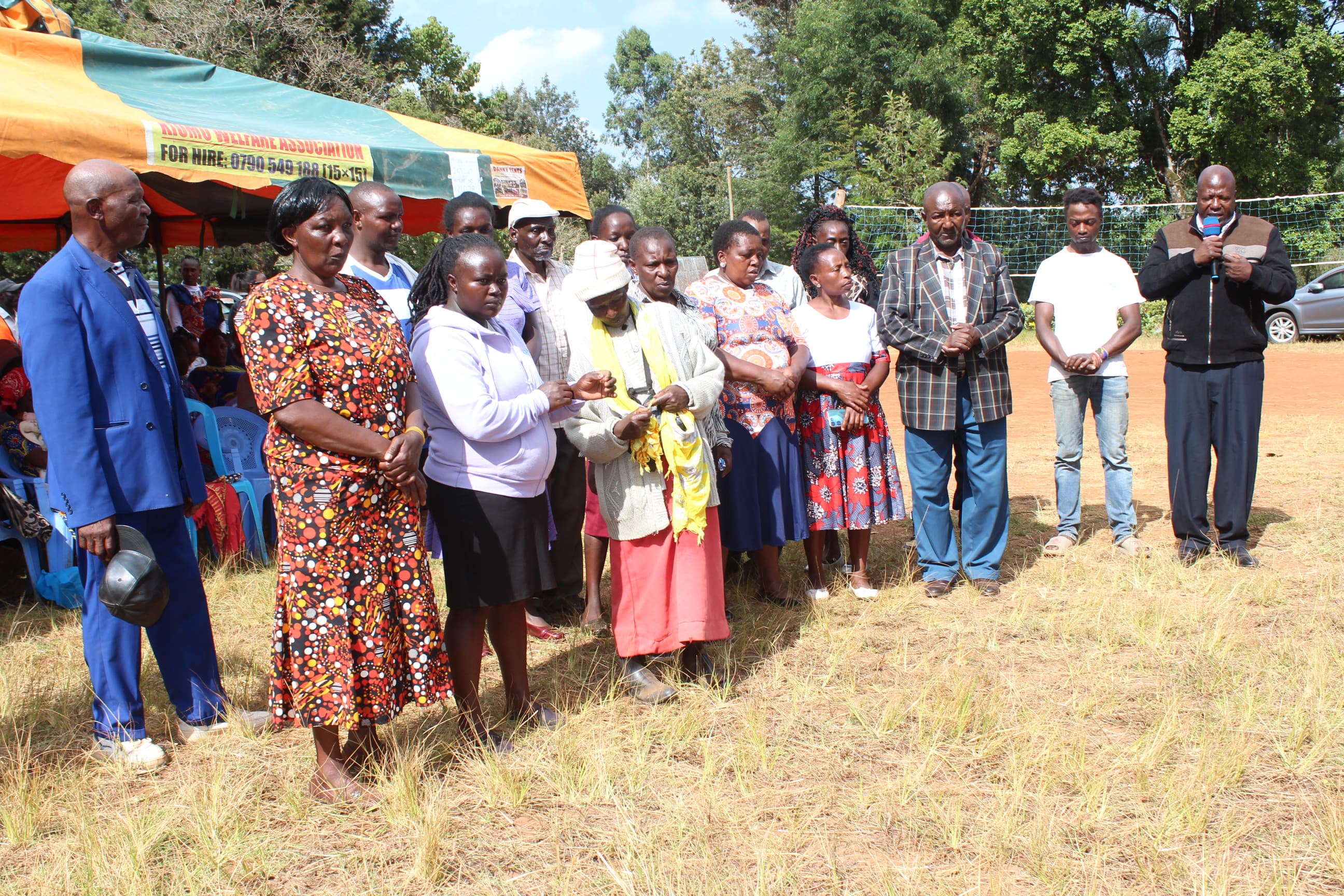
A glimmer of hope has returned to the ashes of Kiawambogo market as the state machinery mobilized to compensate traders who lost everything. A high-powered government delegation descended on Murang’a on Sunday to distribute financial aid to 14 traders whose businesses were razed in a devastating inferno.
The swift delivery of millions in cash aid by President Ruto’s top allies underscores the administration's strategy of direct grassroots engagement, attempting to soothe local grievances in a region critical to its political stability. It is a show of force and compassion, designed to reassure the "hustler nation" that their government has not forgotten them in their hour of need.
The fire, believed to have been sparked by a power fault, swept through the market last Tuesday, consuming stalls and merchandise worth millions. Piles of stored hay acted as an accelerant, overwhelming local efforts to contain the blaze. For the traders, many of whom had taken loans to stock their shops, it was a total wipeout.
Enter the government delegation, led by Lands Cabinet Secretary Alice Wahome and State House Deputy Comptroller Simon Gikuru. They arrived not just with words, but with cheques. President Ruto personally donated Sh1 million, a figure matched by Murang’a Woman Representative Betty Maina. "Your MP reached out to the President, and he sent us with his support," Maina told the gathered crowd.
Disaster response in Kenya is often a political theatre, and this was no exception. The speed of the response stands in sharp contrast to the slow bureaucratic machinery that often plagues compensation efforts. By bypassing the red tape and delivering cash directly, the President is reinforcing his image as a "man of action."
However, questions remain about the long-term safety of such markets. While the cash will help restart businesses, the structural issues—poor wiring, lack of fire hydrants, and congestion—remain unaddressed. The traders accepted the money with gratitude, but their safety is still not guaranteed.
For the 14 victims, the money is a lifeline. It means they can pay school fees, restock their shelves, and feed their families. "We thought it was the end for us," one trader said, holding back tears. "But now we can start again."
As the politicians drove away in their SUVs, the real work began. The people of Kangema are resilient, but they are also watching. They have been given a hand up, but they will be looking for a permanent solution to the fires that too often consume their hard-earned dreams.
Keep the conversation in one place—threads here stay linked to the story and in the forums.
Sign in to start a discussion
Start a conversation about this story and keep it linked here.
Other hot threads
E-sports and Gaming Community in Kenya
Active 10 months ago
The Role of Technology in Modern Agriculture (AgriTech)
Active 10 months ago
Popular Recreational Activities Across Counties
Active 10 months ago
Investing in Youth Sports Development Programs
Active 10 months ago
Key figures and persons of interest featured in this article