We're loading the full news article for you. This includes the article content, images, author information, and related articles.
**Moscow's intensified attacks on Ukraine's key port city are not just a distant warzone problem; they are a direct threat to the supply chains that put affordable bread and flour on Kenyan tables.**
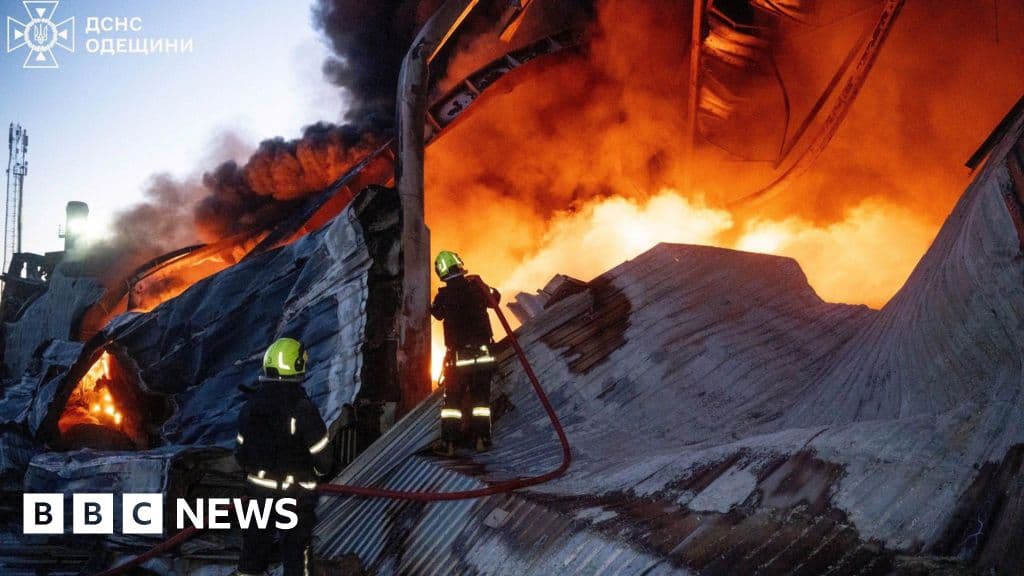
Russia has escalated its assault on Odesa, Ukraine's vital Black Sea port, unleashing a systematic campaign of strikes that has crippled power supplies and threatens the maritime logistics crucial for global food stability. For Kenyans, the distant explosions carry a direct economic echo, threatening to drive up the cost of essential food imports like wheat and vegetable oil.
The core of this crisis lies in Odesa's role as a primary artery for Ukraine's grain exports, a significant source for Kenya. President Volodymyr Zelensky has accused Moscow of a deliberate strategy to block Ukraine's access to the sea, a move that could trigger a food crisis in dependent nations. The attacks have already caused widespread power cuts, affecting over 120,000 people and hampering port operations.
The recent barrage is seen as retaliation for Ukrainian drone attacks on Russia's "shadow fleet"—a term for tankers used to bypass Western sanctions. In response, Russian President Vladimir Putin explicitly threatened to sever Ukraine's access to the sea. The strikes have been precise and damaging, hitting port infrastructure, destroying containers of flour and vegetable oil, and forcing some terminals to slash their grain intake.
This disruption directly impacts global supply chains and commodity prices. Before the full-scale invasion, Ukraine was a major supplier of wheat to Kenya. While trade has been volatile, an agreement to establish a grain hub in Mombasa was reached between the two presidents to bolster food security in East Africa, highlighting the importance of this trade link.
For the average Kenyan, the bombardment of Odesa is not a remote news item but a clear and present danger to their household budget. Kenya relies heavily on wheat imports from the Black Sea region. Any disruption to this supply chain inevitably leads to higher prices for bread, chapati, and other staples. The International Rescue Committee has warned that such blockades could have deadly consequences for hunger-stricken countries in East Africa.
Analysts note that while global wheat prices have seen fluctuations, the persistent attacks create uncertainty that keeps prices elevated. The destruction of port infrastructure is a deliberate attempt to "disrupt maritime logistics," as stated by Ukrainian Deputy Prime Minister Oleksiy Kuleba. This directly threatens the flow of affordable grain that helps keep food prices stable in Kenya.
The situation remains volatile. While Ukraine has shown resilience in maintaining a grain export corridor, Russia's intensified and targeted attacks on Odesa's infrastructure represent a significant escalation. The coming weeks will be critical in determining whether this vital lifeline for global food security—and for the Kenyan dinner table—can be sustained.
Keep the conversation in one place—threads here stay linked to the story and in the forums.
Sign in to start a discussion
Start a conversation about this story and keep it linked here.
Other hot threads
E-sports and Gaming Community in Kenya
Active 9 months ago
The Role of Technology in Modern Agriculture (AgriTech)
Active 9 months ago
Popular Recreational Activities Across Counties
Active 9 months ago
Investing in Youth Sports Development Programs
Active 9 months ago



