We're loading the full news article for you. This includes the article content, images, author information, and related articles.
Ahead of the Sirikwa Classic, Absa Bank and Eliud Kipchoge led a financial wellness seminar for 105 athletes to combat the "broke athlete" syndrome.

In the high-altitude camps of Kaptagat, where lungs are forged of steel, a new kind of training is taking root. Ahead of the Sirikwa Classic, Kenya’s elite runners are trading tracksuits for spreadsheets in a bid to end the tragic cycle of "pauper legends."
The story is a heartbreaking cliché in Kenyan athletics: the world-beater who conquers the globe, shatters records, and returns home to millions, only to die destitute a decade later. It is a narrative of exploitation, poor investment, and cultural pressure. But this weekend, at the Kaptagat Training Camp, Absa Bank Kenya and marathon legend Eliud Kipchoge took a decisive step to rewrite that ending.
Over 105 athletes gathered not for a time trial, but for a masterclass in financial literacy. Organized ahead of the Absa Sirikwa Classic World Cross Country Tour (scheduled for Feb 22, 2026), the seminar marks a cultural shift in how the sport is managed. The message was clear: your legs have an expiry date; your money shouldn’t.
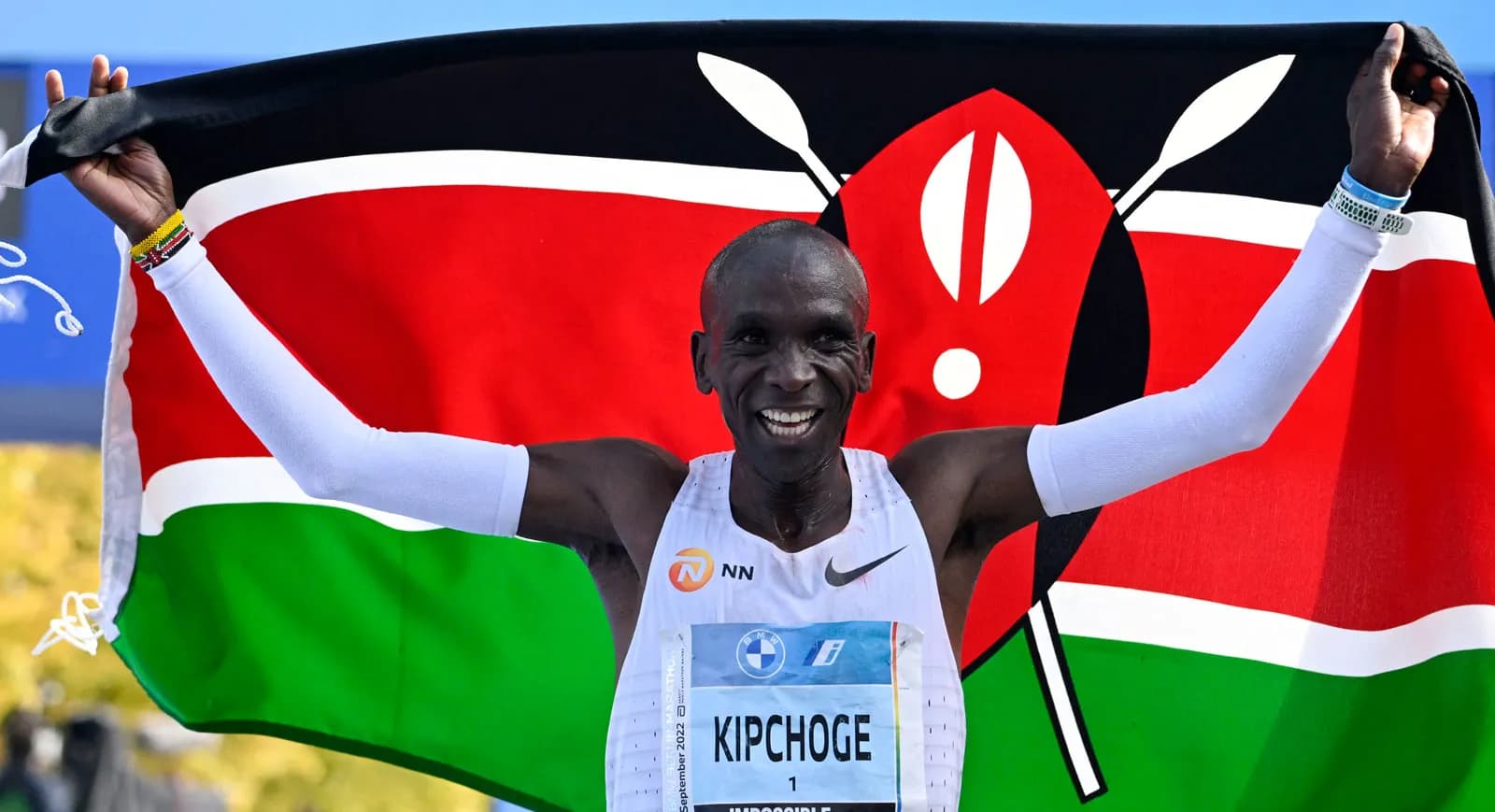
Eliud Kipchoge, a man whose discipline with money is as legendary as his discipline on the tarmac, led the charge. "Knowledge is power," Kipchoge told the hushed room of young hopefuls. "We have seen too many of our brothers and sisters suffering because they did not know what to do when the money came. You must run your life like you run a marathon—with a plan for the finish line."
The training, facilitated by Nutrition by Nthenya and other experts, covered critical pillars of financial wellness:
Julius Songok, Absa Bank’s Regional Manager for the Rift Valley, emphasized that the bank’s sponsorship of the Sirikwa Classic goes beyond branding. "We are investing in the national heritage," Songok explained. The Sirikwa Classic is one of the most lucrative stops on the World Athletics Cross Country Tour, with senior category winners taking home $6,000 (approx. KES 780,000). For a young runner from a rural village, that sum is life-changing—or life-destroying, if mismanaged.
The involvement of partners like Badeq (sportswear) highlights a holistic approach. Athletes were taught that their brand value extends beyond the race. In the age of social media, a financially literate athlete is also a more marketable one.
The stakes are high. The Sirikwa Classic at Lobo Village in Eldoret is expected to draw global talent. But the real victory, according to the organizers, will be measured in years to come. If even a handful of these 105 athletes can transition from podium finishers to prudent investors, the program will have achieved something gold medals cannot: dignity in retirement.
As the session broke up and the athletes jogged back to their dormitories, the conversation had shifted. They weren't just talking about split times; they were talking about compound interest.
"I used to think money was for spending," said one young junior athlete. "Now I know money is a seed. If you eat the seed, you have no harvest."
Keep the conversation in one place—threads here stay linked to the story and in the forums.
Sign in to start a discussion
Start a conversation about this story and keep it linked here.
Other hot threads
E-sports and Gaming Community in Kenya
Active 9 months ago
The Role of Technology in Modern Agriculture (AgriTech)
Active 9 months ago
Popular Recreational Activities Across Counties
Active 9 months ago
Investing in Youth Sports Development Programs
Active 9 months ago
Key figures and persons of interest featured in this article