We're loading the full news article for you. This includes the article content, images, author information, and related articles.
Princess Eugenie resigns from Anti-Slavery International after Epstein document fallout, raising wider questions about celebrity advocacy and accountability in charities.
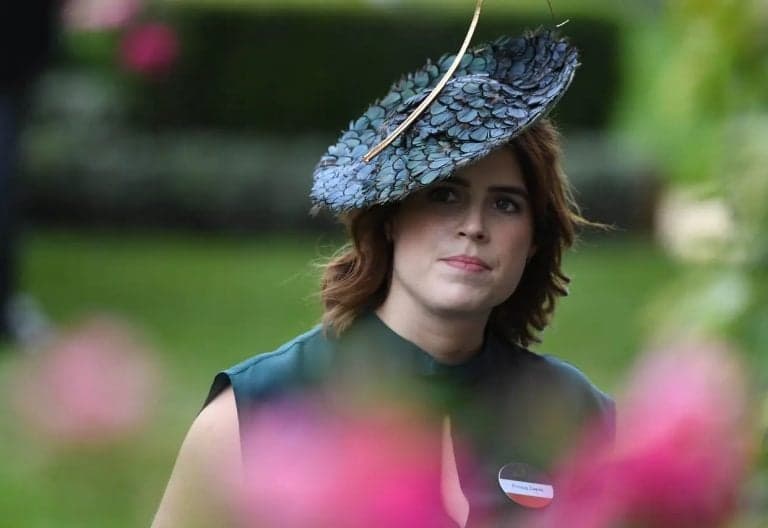
Princess Eugenie’s resignation as patron of Anti-Slavery International amid the fallout of the Epstein files raises uncomfortable questions about the intersection of status, charity, and accountability.
The recent decision by Princess Eugenie to step down as patron of Anti-Slavery International, the world’s oldest human rights organization, has sent shockwaves through the UK charity sector.[9][15] Following the release of documents linked to convicted sex offender Jeffrey Epstein, the royal family finds itself once again under intense scrutiny.[26] While there is no suggestion of wrongdoing by the Princess herself, the optics of the situation have become untenable.
This is a story that resonates far beyond the gilded halls of Buckingham Palace. In East Africa, where human trafficking and modern slavery remain critical, overlooked issues, the role of high-profile "celebrity" advocates is often double-edged. When the reputation of a patron becomes entangled in scandal, the very cause they championed—the fight for human dignity—can suffer from the resulting distraction and loss of credibility.
In the humanitarian sector, the choice of a patron is strategic. It is meant to leverage fame for visibility. But as the Princess Eugenie situation demonstrates, this strategy carries significant reputational risk. In Kenya, where international charities often partner with local influencers and political figures, this case serves as a warning: the integrity of the cause must always outweigh the celebrity of the advocate.
Modern slavery in East Africa is a complex issue, involving everything from labor exploitation in the domestic sector to the trafficking of vulnerable youth across borders. It requires more than celebrity backing; it requires grassroots, sustainable intervention and political will. The Anti-Slavery Collective, an organization co-founded by the Princess, is currently facing its own regulatory scrutiny regarding its expenditure, which only further highlights the need for rigorous oversight in this space.
As we move forward, the focus must shift back to the people who need protection, not the patrons who gain profile from their advocacy. The resignation of a royal patron is a footnote; the persistence of modern slavery is the headline that demands our attention.
We must ensure that our fight for human dignity is built on the strength of our convictions and the efficacy of our actions, not on the fragile foundations of celebrity association.
Keep the conversation in one place—threads here stay linked to the story and in the forums.
Sign in to start a discussion
Start a conversation about this story and keep it linked here.
Other hot threads
E-sports and Gaming Community in Kenya
Active 9 months ago
The Role of Technology in Modern Agriculture (AgriTech)
Active 9 months ago
Popular Recreational Activities Across Counties
Active 9 months ago
Investing in Youth Sports Development Programs
Active 9 months ago



