We're loading the full news article for you. This includes the article content, images, author information, and related articles.
Ludwig Minelli, the founder of Swiss organisation Dignitas, chose an assisted death at 92. His final act forces a global and local examination of the ultimate question of human autonomy at life's end.
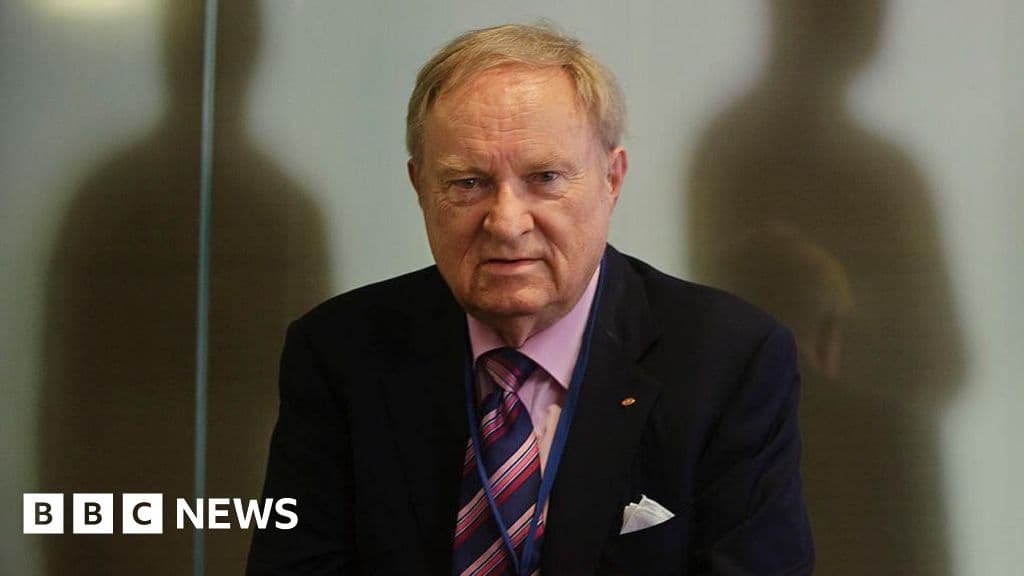
Ludwig Minelli, the man who founded the world's most prominent assisted suicide organisation, Dignitas, has died using the very service he created. The 92-year-old former journalist and human rights lawyer ended his life on Saturday in Switzerland, days before his 93rd birthday, his organisation confirmed.
His death is not just a personal final chapter but a global headline, reigniting a fierce ethical firestorm over the right to choose when and how one dies. For Kenya, where assisted death is illegal and culturally contentious, Minelli's final act raises profound questions about individual freedom, the role of medicine, and the law's place at the edge of life.
Minelli, a journalist turned lawyer, established Dignitas in 1998 with the motto "To live with dignity – To die with dignity". He argued passionately that self-determination was a fundamental human right. Under his leadership, Dignitas has assisted over 4,000 people to die, becoming a destination for individuals from countries where the practice is outlawed.
Swiss law is unique; it permits assisted suicide as long as the motives of the person assisting are not selfish. This differs from active euthanasia, which remains illegal. The person wishing to die must be of sound mind and perform the final act themselves, a principle Minelli championed through numerous legal battles in Swiss and European courts.
In recent years, a wave of legislative change has swept across the globe. Countries like Canada, Australia, New Zealand, and Spain have all introduced assisted dying laws since 2015, joining a handful of others. This global momentum contrasts sharply with the situation in Kenya.
In Nairobi, the conversation remains largely muted, governed by a legal framework that makes no distinction between compassionate assistance and criminal acts.
The choice Minelli made is not accessible to the average person. The cost for an assisted death at Dignitas can be substantial, running upwards of 11,000 Swiss Francs (approx. KES 1.6 million) if funeral arrangements are included. This financial barrier makes it a service largely for the affluent, a point critics of the global movement often raise.
Opponents of legalisation, both in Kenya and abroad, warn of a 'slippery slope'. They raise concerns that legalising assisted dying could place undue pressure on the vulnerable, disabled, and elderly to end their lives for fear of being a burden. The core argument revolves around protecting the sanctity of life and preventing potential abuses.
As the world reflects on Ludwig Minelli's life and chosen death, the debate he championed is far from over. For Kenya, his story forces an uncomfortable but necessary look at how the nation cares for its citizens at their most vulnerable, posing a critical question: in the face of unbearable suffering, what does a truly compassionate society owe its people?
Keep the conversation in one place—threads here stay linked to the story and in the forums.
Sign in to start a discussion
Start a conversation about this story and keep it linked here.
Other hot threads
E-sports and Gaming Community in Kenya
Active 9 months ago
The Role of Technology in Modern Agriculture (AgriTech)
Active 9 months ago
Popular Recreational Activities Across Counties
Active 9 months ago
Investing in Youth Sports Development Programs
Active 9 months ago



