We're loading the full news article for you. This includes the article content, images, author information, and related articles.
After two years of isolation, Sudan resumes full membership in IGAD following successful mediation by Djibouti, a move hailed as crucial for addressing the region’s deepening security and humanitarian crisis.
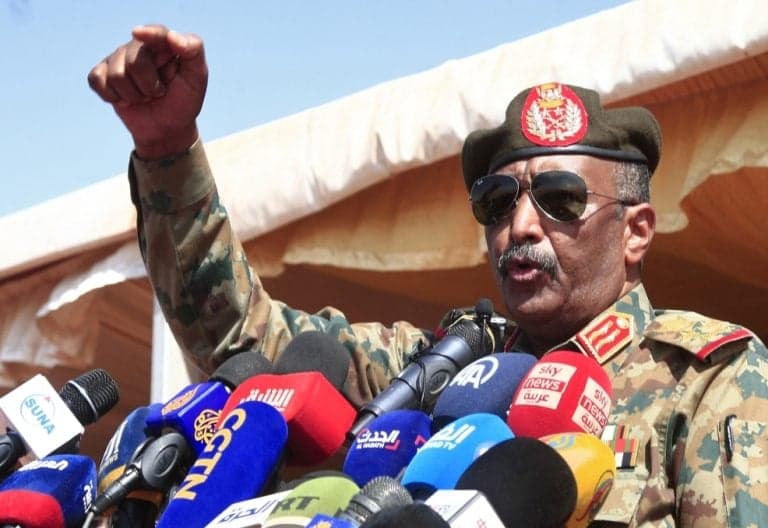
The empty chair at the regional high table has finally been filled. In a significant diplomatic breakthrough for the Horn of Africa, the Intergovernmental Authority on Development (IGAD) has officially welcomed the Republic of Sudan back into its fold, ending a two-year suspension that had isolated the war-torn nation from its neighbors.
The reintegration follows intense behind-the-scenes diplomacy mediated by Djibouti’s President Ismail Omar Guelleh. For two years, Sudan has been a pariah in the bloc it helped found, a consequence of the internal conflict and diplomatic spats that followed the outbreak of civil war. The return is not just procedural; it is a critical step toward resolving the humanitarian catastrophe that has displaced millions. IGAD Executive Secretary Workneh Gebeyehu hailed the move as a "reaffirmation of regional solidarity," a polite diplomatic phrase that masks the urgent necessity of having Khartoum back in the room.
The talks in Djibouti were reportedly tense but productive. President Guelleh’s mediation was pivotal in convincing the Sudanese leadership that isolation was serving no one. By returning to IGAD, Sudan regains a platform to engage with regional power players like Kenya and Ethiopia, both of whom are essential to any lasting peace process.
"Sudan is a founding member; its absence was a gaping hole in our collective security architecture," Gebeyehu stated. The move is expected to unlock new avenues for humanitarian aid corridors and cross-border security cooperation, which had effectively collapsed during the suspension.
While the diplomats shake hands in Djibouti, the guns are not yet silent in Khartoum or Darfur. However, Sudan’s return to IGAD provides a structured framework for dialogue that did not exist yesterday. It forces the warring factions to engage with regional peers who have a vested interest in stability.
The prodigal son has returned, not to a feast, but to a crisis meeting. The real work—turning this diplomatic win into peace on the ground—begins now.
Keep the conversation in one place—threads here stay linked to the story and in the forums.
Sign in to start a discussion
Start a conversation about this story and keep it linked here.
Other hot threads
E-sports and Gaming Community in Kenya
Active 9 months ago
The Role of Technology in Modern Agriculture (AgriTech)
Active 9 months ago
Popular Recreational Activities Across Counties
Active 9 months ago
Investing in Youth Sports Development Programs
Active 9 months ago



