We're loading the full news article for you. This includes the article content, images, author information, and related articles.
A groundbreaking survey reveals that while building a home remains the top priority for Kenyan retirees, an overwhelming majority are explicitly warning younger generations against depleting their crucial retirement savings for construction.
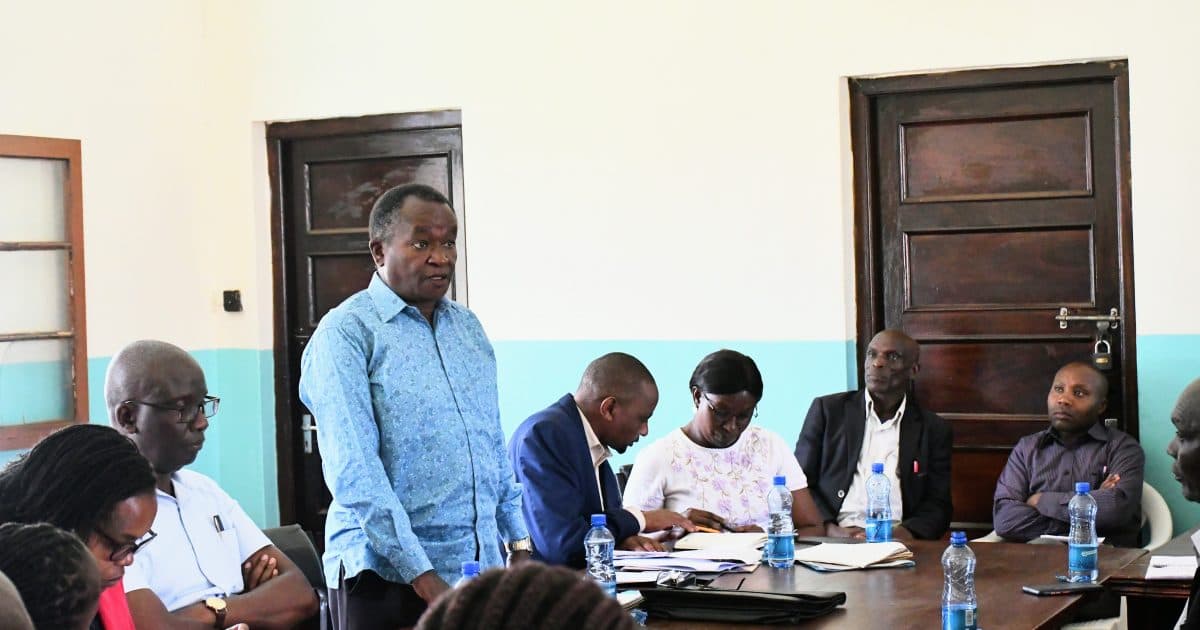
The aspiration of homeownership is deeply ingrained in the Kenyan psyche, often viewed as the ultimate symbol of success and stability. However, a recent, comprehensive survey conducted by the Retirement Benefits Authority (RBA) has unearthed a stark warning from those who have already crossed the finish line of formal employment.
While many Kenyan retirees continue to prioritize building a home above all else when allocating their pension savings, they are issuing a profound caution to young workers. The explicit advice stemming from lived experience is clear: constructing a primary residence should be accomplished during one's active working years, not financed by the depletion of critical retirement funds designed to ensure long-term financial security.
The RBA's findings indicate that sixteen percent of respondents—the largest single demographic group—allocated the entirety of their retirement benefits toward home construction. This significant trend reflects the immense cultural value placed on securing family shelter and establishing a tangible, permanent legacy for future generations. However, the subsequent financial pressure that follows this massive capital expenditure often leads to deep regret during the twilight years, when steady income streams have completely evaporated.
Beyond the immense cost of housing, retirees are forced to dedicate substantial portions of their limited funds to other pressing life essentials. The survey highlights that school fees consume another sixteen percent of pension spending, underscoring the ongoing financial responsibilities many older Kenyans bear for their extended families. This is closely followed by investments in agriculture at fifteen percent, and the initiation of new business ventures at fourteen percent, demonstrating a desperate need to generate supplementary income to survive.
The expenditure patterns revealed by the RBA expose a distinct, deeply rooted preference for physical, income-generating assets over sophisticated financial instruments. Retirees allocate ten percent of their funds to raw land purchases and eight percent to broader real estate development. Conversely, only seven percent is retained in traditional bank deposits, and a shockingly mere two percent is invested in the stock market. This clearly indicates a systemic lack of trust in financial markets and a profound reliance on investments that can be physically seen and touched.
While this strategy provides a sense of immediate security, it often lacks the necessary liquidity required to manage sudden, catastrophic expenses, such as severe medical emergencies. The overarching lesson communicated by the older generation is that relying on a single lump sum to execute major infrastructural projects is inherently risky and fundamentally compromises the intended purpose of a pension.
The overall well-being of Kenyan retirees presents a highly mixed, though generally optimistic, outlook. While sixty percent report feeling generally happy, a concerning eighteen percent admit that daily survival is becoming increasingly difficult, and thirteen percent actively struggle with basic financial stability. These sobering statistics serve as a powerful, undeniable reminder of the critical importance of disciplined, aggressive financial planning from the very beginning of a professional career.
Financial experts consistently echo the sentiments of the retirees. Establishing diversified investment portfolios, pursuing business-minded ventures early, and securing housing before the cessation of a regular salary are paramount for long-term stability. The ultimate goal of retirement is comfort, independence, and peace of mind, a state that is virtually impossible to achieve if one's foundational financial safety net is immediately poured into concrete and mortar.
This paradigm shift in financial advice necessitates a complete reevaluation of how the modern Kenyan workforce approaches wealth accumulation. Relying solely on a mandatory pension contribution is a mathematically flawed strategy in an era characterized by rampant inflation and escalating healthcare costs. Young professionals must cultivate alternative, robust passive income streams and prioritize affordable housing solutions early in their careers to ensure their retirement years are characterized by dignity rather than desperation.
"They should build their dwelling places early. They should not use their retirement benefits to build their houses," the official survey report emphatically concluded.
Keep the conversation in one place—threads here stay linked to the story and in the forums.
Sign in to start a discussion
Start a conversation about this story and keep it linked here.
Other hot threads
E-sports and Gaming Community in Kenya
Active 9 months ago
The Role of Technology in Modern Agriculture (AgriTech)
Active 9 months ago
Popular Recreational Activities Across Counties
Active 9 months ago
Investing in Youth Sports Development Programs
Active 9 months ago