We're loading the full news article for you. This includes the article content, images, author information, and related articles.
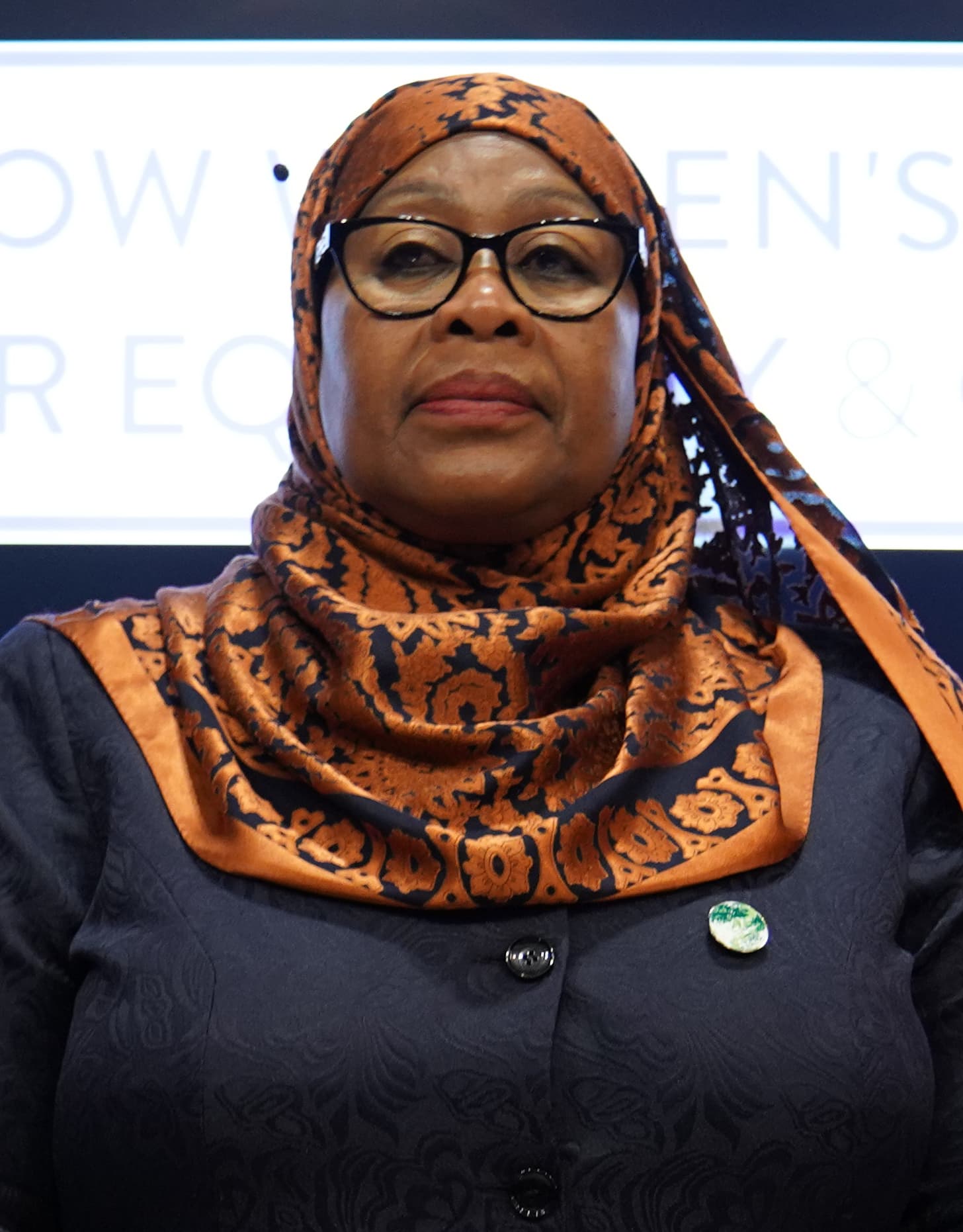
President Samia Suluhu Hassan’s 2023 criminal justice commission aimed to tackle systemic corruption and prison overcrowding. But has the reality changed?

In the cramped, humid confines of a remand facility on the outskirts of Dar es Salaam, time does not move by the clock it moves by the glacial pace of the court calendar. For thousands, the Tanzanian criminal justice system has long operated not as a mechanism of rehabilitation, but as a bureaucratic labyrinth of indefinite detention, where an arrest often functions as a verdict in itself. Yet, the past three years have seen a concerted, top-down attempt to break this cycle, spearheaded by a landmark presidential initiative that sought to upend decades of institutional inertia.
When President Samia Suluhu Hassan inaugurated the Commission to review the criminal justice system in January 2023, she did so with a sobering admission: the system was, by her own account, in total chaos. Led by the retired Chief Justice Mohamed Chande Othman, the Commission was tasked with dissecting the systemic rot that had turned police stations and prisons into centers of overcrowding and rights violations. Three years on, the findings of that commission—and the government's subsequent push for a national criminal justice policy—represent one of the most ambitious governance projects in the East African region. The success or failure of these reforms will determine whether Tanzania succeeds in shifting from a punitive, colonial-era hangover to a modern, human-rights-compliant legal framework.
The urgency of the 2023 mandate was rooted in data and, more significantly, in the daily reality of Tanzanian citizens. For years, the criminal justice chain—comprising the police, the Prevention and Combating of Corruption Bureau, the National Prosecutions Services, and the prison system—had become increasingly disjointed and opaque. Investigatory power was often used as a tool of harassment rather than a means of truth-seeking, with regional and district officials frequently disregarding legal due process in civil disputes.
The commission’s findings, presented to the President in July 2023, offered a scathing indictment of these practices. They identified that the misuse of bail, the reliance on fabricated charges, and the slow pace of police investigations had created a bottleneck that choked the entire system. When cases finally reached the judiciary, they were met with backlogs that spanned years, leaving the impoverished and the powerless to languish in pre-trial detention, often charged with bailable offenses they could not afford to contest.
By 2026, the rhetoric of reform has transitioned into the development of a National Criminal Justice Policy. The government’s approach has focused on structural expansion and administrative streamlining. Officials have pointed to the recruitment of additional judicial staff and the expansion of the National Prosecution Office into more districts—now covering over 100 of the nation's 139 districts—as clear markers of progress. These efforts aim to bring the state closer to the people and reduce the time suspects spend in police custody.
However, the transition from paper policy to practice remains uneven. Minister for Home Affairs Patrobas Katambi has championed a shift in mindset, urging the Tanzania Prison Service to view inmates as “clients” or “students” rather than subjects of punishment. This rhetoric is aimed at fostering a culture of rehabilitation and skills training. Yet, this vision frequently clashes with the persistent reality of infrastructure deficits. While the government reports that current prison occupancy has seen marginal improvements, independent human rights monitors continue to flag persistent overcrowding and reports of mistreatment that undermine the lofty goals of the reform agenda.
Central to the durability of these reforms is the Commission for Human Rights and Good Governance (CHRAGG). In recent months, the Commission has been entrusted with an expanded mandate, acting as a crucial watchdog for the very institutions it was once only able to critique from the periphery. The establishment of a dedicated unit to handle complaints arising from the conduct of criminal justice institutions represents a tangible step toward accountability. It signifies a realization that for reforms to hold, they must be policed by an entity independent of the police and prosecution services.
The challenge for CHRAGG is the ingrained culture of institutional deference. In Tanzania, as in many parts of the continent, the police force has traditionally operated with a high degree of autonomy, insulated from the scrutiny of oversight bodies. Shifting this culture requires more than legislative change it requires a generational shift in how officers are trained, promoted, and held accountable for the abuse of arrest powers.
Tanzania's experience is not unique. Across East Africa, nations are grappling with the legacy of colonial legal frameworks that prioritize control over constitutional rights. Kenya and Uganda have similarly faced intense pressure to address prison congestion and police conduct, often seeing their own judiciary push back against executive overreach. What sets the Tanzanian experiment apart is the overt, presidential-led acknowledgment of the system's failure. By framing the reform as a national priority, President Hassan has raised the political stakes she has signaled that the legitimacy of her administration is now inextricably linked to the fairness of the courtroom.
As the nation moves forward, the true test will not be the adoption of a new policy or the hiring of new staff, but the willingness of the state to surrender its most coercive tools. The success of this reform will be measured not by the speed of case disposals, but by the restoration of public trust in the institutions that are supposed to serve the people. If the government can truly decouple the justice system from political and administrative interference, it will have built a foundation for a new era of the rule of law. If not, the current reforms may simply become another chapter in a history of missed opportunities.
Keep the conversation in one place—threads here stay linked to the story and in the forums.
Sign in to start a discussion
Start a conversation about this story and keep it linked here.
Other hot threads
E-sports and Gaming Community in Kenya
Active 10 months ago
The Role of Technology in Modern Agriculture (AgriTech)
Active 10 months ago
Popular Recreational Activities Across Counties
Active 10 months ago
Investing in Youth Sports Development Programs
Active 10 months ago
Key figures and persons of interest featured in this article