We're loading the full news article for you. This includes the article content, images, author information, and related articles.
Critics dismiss the Prime Cabinet Secretary’s call for constitutional changes as a “scandalous” distraction, arguing the push for new political offices ignores the economic reality of the common mwananchi.
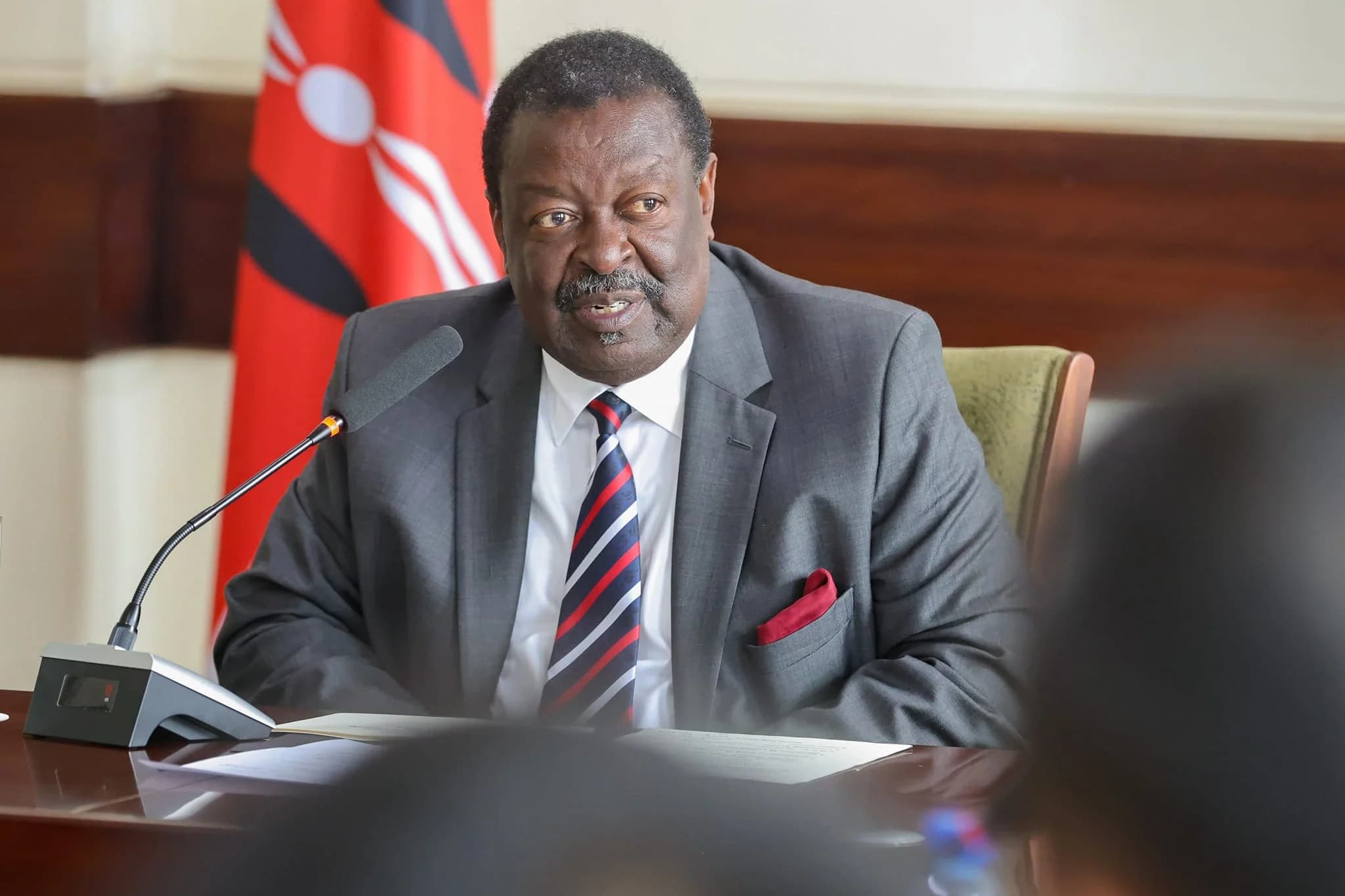
NAIROBI — The push by Prime Cabinet Secretary Musalia Mudavadi for a constitutional referendum to be held alongside the 2027 General Election has triggered a fierce backlash, with critics labeling the move an “insincere” attempt to expand the executive at the expense of the taxpayer.
While Mudavadi frames the proposal as a necessary step to cure the country’s “winner-takes-all” political instability, the timing and intent have come under sharp scrutiny. In a stinging critique published by the Daily Nation, commentator Lucas Kimanthi dismissed the call as “appalling and scandalous,” arguing that the proposed changes prioritize the fortunes of the political elite over the pressing needs of ordinary Kenyans.
At the heart of the controversy is the proposal to institutionalize the Office of the Prime Minister and the Leader of the Official Opposition. These recommendations, rooted in the National Dialogue Committee (NADCO) report, are ostensibly designed to ensure more inclusive representation.
However, the skepticism on the ground is palpable. Critics argue that the narrative of a “constitutional moment” is being manufactured to justify the creation of positions that will burden the public wage bill. The argument is simple: in an economy where the cost of living remains a daily struggle, expanding the government structure is tone-deaf.
Mudavadi’s assertion that holding the referendum concurrently with the general election is a cost-saving measure has been met with derision. Critics like Kimanthi describe this logic as “hollow and baseless,” noting that any constitutional process requires significant dedicated resources for civic education and administration.
For context, the 2010 constitutional referendum cost the taxpayer roughly KES 10 billion. With the 2022 General Election costing over KES 44 billion, adding a referendum layer to the 2027 polls would undoubtedly inflate the budget further. For the average Kenyan struggling with the price of unga and fuel, spending billions to create new political offices is a hard sell.
Beyond the political offices, Mudavadi has warned of a looming legal crisis regarding boundary delimitation. The Independent Electoral and Boundaries Commission (IEBC) is constitutionally required to review constituency boundaries periodically—a process that has been stalled due to the lack of commissioners.
Mudavadi suggests that without a constitutional amendment or a rapid resolution, the 2027 elections could face nullification risks. However, observers note that using the boundary crisis as leverage to push for political offices is a dangerous strategy that could breed panic rather than consensus.
As the 2027 cycle approaches, the debate has shifted from what is in the constitution to who benefits from changing it. For now, the verdict from the court of public opinion seems clear: fix the economy first, the constitution later.
Keep the conversation in one place—threads here stay linked to the story and in the forums.
Sign in to start a discussion
Start a conversation about this story and keep it linked here.
Other hot threads
E-sports and Gaming Community in Kenya
Active 9 months ago
The Role of Technology in Modern Agriculture (AgriTech)
Active 9 months ago
Popular Recreational Activities Across Counties
Active 9 months ago
Investing in Youth Sports Development Programs
Active 9 months ago



