We're loading the full news article for you. This includes the article content, images, author information, and related articles.
Trademark Africa report reveals that bureaucratic red tape and non-tariff barriers are the silent killers of commerce, causing more economic damage than customs duties.
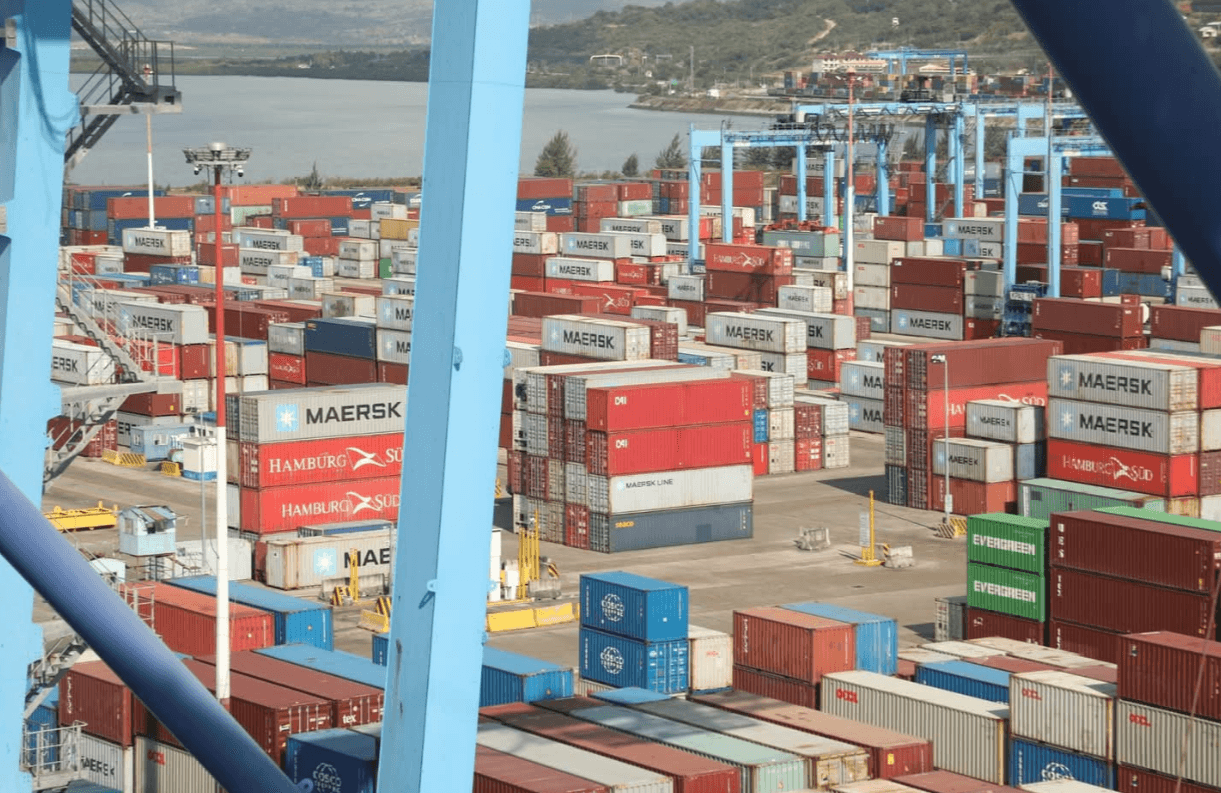
The biggest enemy of African trade is no longer the taxman; it is the clipboard. A damning new report by TradeMark Africa has laid bare the reality that non-tariff barriers (NTBs) are inflicting far more damage on the continent's economy than traditional customs duties ever could.
While politicians celebrate the lowering of tariffs under the African Continental Free Trade Area (AfCFTA), the real friction remains on the ground. The report highlights that bureaucratic hurdles—from slow border checks and shifting standards to endless paperwork—are the invisible wall keeping Africa poor. These "soft" barriers are hardening the borders, making it costlier and slower to move a container from Mombasa to Kampala than it is to ship it from Shanghai to Mombasa.
The statistics are sobering. The report indicates that a 15% reduction in the time it takes to move goods across key corridors could unlock billions in value, far outweighing the gains from tariff cuts. It is the truck driver waiting three days for a stamp, the fresh produce rotting because of a dispute over a phytosanitary certificate, and the trader blocked by an arbitrary ban on "foreign" goods. These are the daily realities that are strangling intra-African trade.
"We are fighting the wrong war," a trade economist noted upon reviewing the data. "We have lowered the taxes, but we have increased the headaches." The TradeMark report points out that these barriers are often protectionism in disguise—governments using safety standards or administrative delays to block competition that they can no longer block with tariffs.
The solution, according to TradeMark, lies in digitization and harmonization. The success of One-Stop Border Posts (OSBPs) and the electronic cargo tracking systems proves that technology can defeat bureaucracy. But technology requires political will.
The message to African leaders is clear: tear up the red tape. The dream of a united African market will remain a mirage if a truck cannot cross a border without a mountain of paperwork. The tariffs are down, but the barriers are still up.
It is time to put down the stamp and pick up the pace. Africa is open for business, but only if it can get out of its own way.
Keep the conversation in one place—threads here stay linked to the story and in the forums.
Sign in to start a discussion
Start a conversation about this story and keep it linked here.
Other hot threads
E-sports and Gaming Community in Kenya
Active 9 months ago
The Role of Technology in Modern Agriculture (AgriTech)
Active 9 months ago
Popular Recreational Activities Across Counties
Active 9 months ago
Investing in Youth Sports Development Programs
Active 9 months ago



